
#FactCheck: Viral Kyrgyzstan Video Misleadingly Shared as Nepal Flood Footage
Executive Summary
A video is being shared on social media with the claim that the Quran is being recited in Nepal to seek protection from floods. Research by the CyberPeace Research Wing found that the video is actually from Kyrgyzstan, a Central Asian country, and dates back to June. It shows people praying for the safety of a six-year-old boy who had been swept away by floodwaters.
Claim:
The video is being shared on X with a caption making the viral claim. It reads, “This is the power of faith. This video is from Nepal, where the Holy Quran is being recited and prayers are being offered. Mashallah.”
https://x.com/KarishmaAziz_/status/2095053199531286855

Fact Check
During our research into the viral video claiming that the Quran is being recited in Nepal to seek protection from floods, a reverse image search using keyframes led us to the same video uploaded on an Instagram account on June 25.
https://www.instagram.com/reels/DaAtnyUN4WP/

We translated the bio of the said Instagram account and found that it is associated with the Press Department of the Ministry of Emergency Situations in Kyrgyzstan’s Chuy Region. We also found several videos uploaded on the account featuring uniformed personnel wearing the same attire as those seen in the viral video.
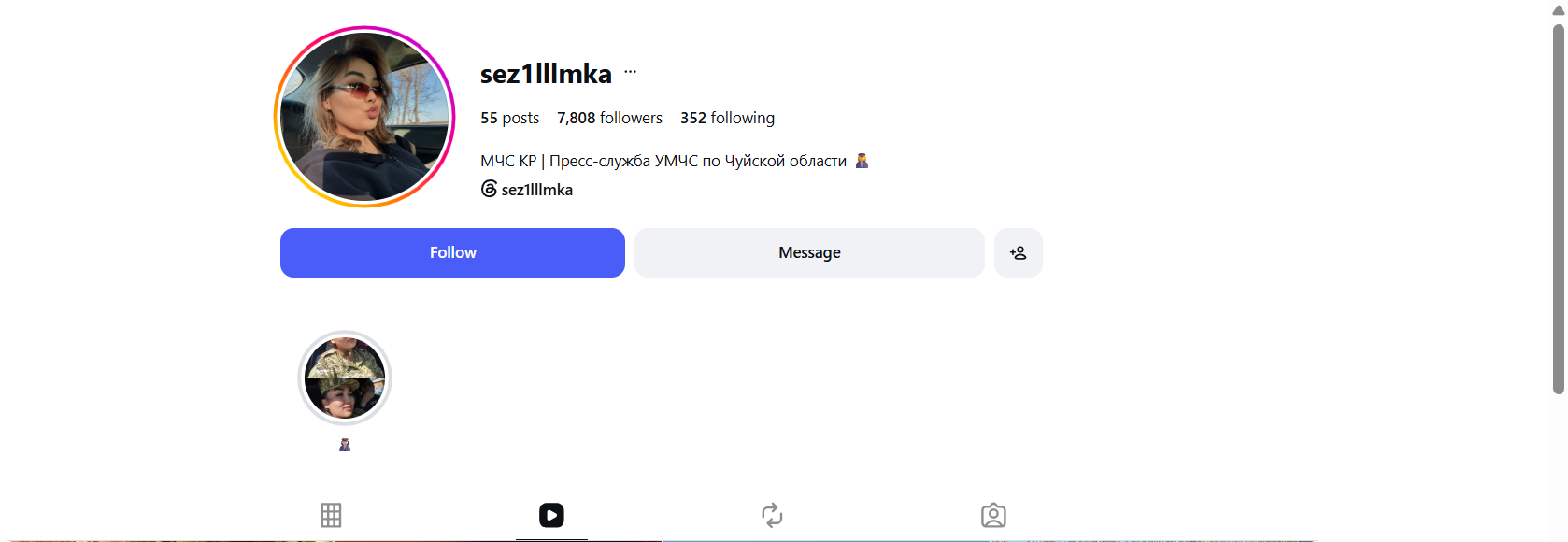
The life jackets worn by the uniformed personnel in these videos also clearly bear the words “Kyrgyzstan Rescue.”
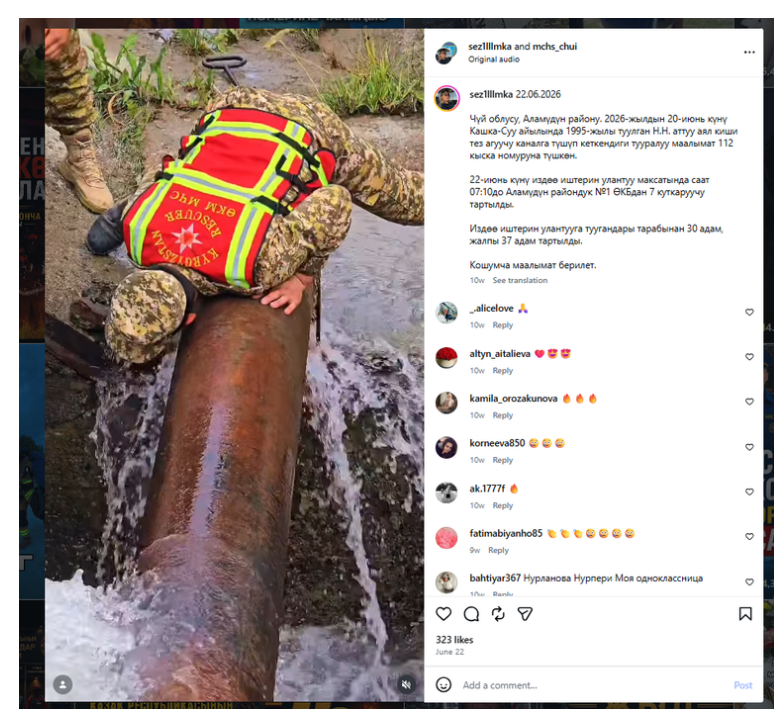
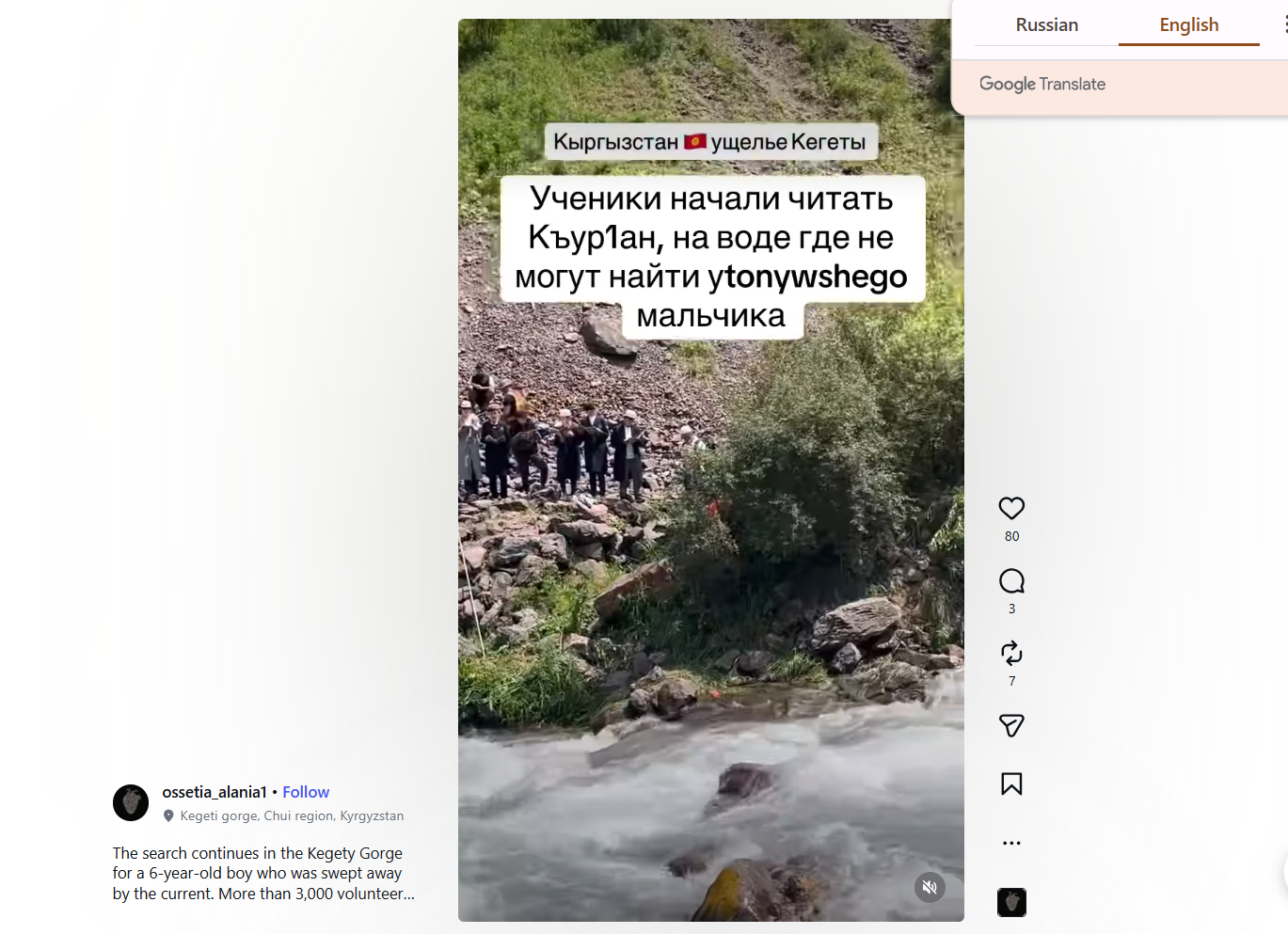
During our research, we also found several Instagram posts published on June 25 featuring visuals similar to those in the viral video. The captions stated that Hafizs were reciting the Quran and offering prayers for the safety of a six-year-old boy during his rescue operation.
https://www.instagram.com/reels/DaBK3nYtfDf/https://www.instagram.com/reels/DaBK3nYtfDf/
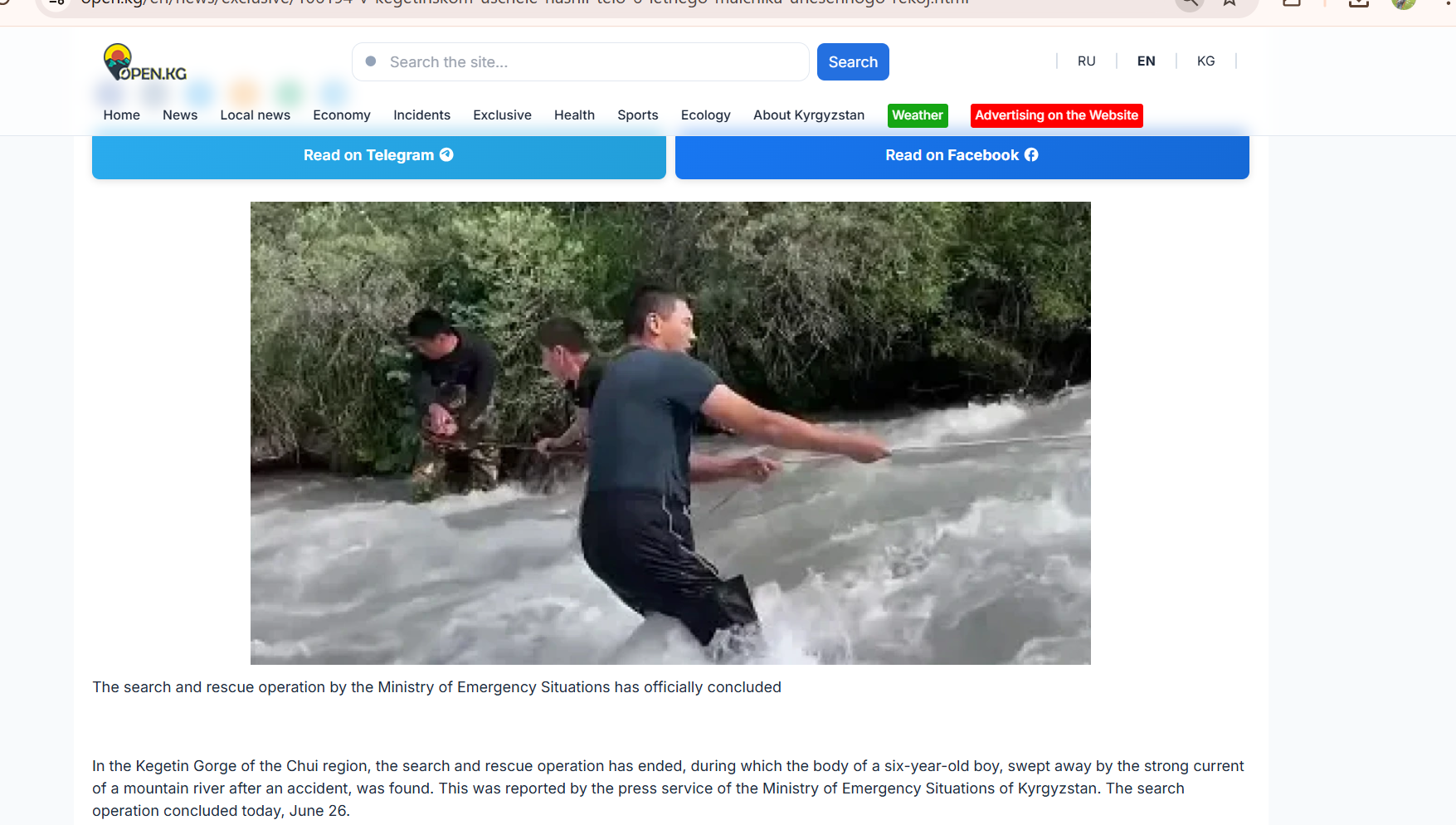
In this regard, we also found a report published on June 26 by a Kyrgyz news website. The report stated that on June 23, a car carrying two women and five children fell into the Kegety River. The two women and three children managed to get out of the vehicle, but two children remained trapped inside. The body of a 12-year-old girl had already been recovered by the rescue team. Later, on June 26, the body of the other child was also recovered.
Conclusion
Our research found that the viral claim is false. The video being shared with the claim that the Quran was being recited in Nepal to seek protection from floods is actually from Kyrgyzstan and dates back to June. The evidence gathered during our research, including the original social media posts and reports from Kyrgyzstan, confirms that the footage is related to a rescue operation involving children after a car fell into the Kegety River. Therefore, the viral video has no connection with the recent floods in Nepal and is being shared with a false claim.

Related Blogs

Executive Summary:
In late 2024 an Indian healthcare provider experienced a severe cybersecurity attack that demonstrated how powerful AI ransomware is. This blog discusses the background to the attack, how it took place and the effects it caused (both medical and financial), how organisations reacted, and the final result of it all, stressing on possible dangers in the healthcare industry with a lack of sufficiently adequate cybersecurity measures in place. The incident also interrupted the normal functioning of business and explained the possible economic and image losses from cyber threats. Other technical results of the study also provide more evidence and analysis of the advanced AI malware and best practices for defending against them.
1. Introduction
The integration of artificial intelligence (AI) in cybersecurity has revolutionised both defence mechanisms and the strategies employed by cybercriminals. AI-powered attacks, particularly ransomware, have become increasingly sophisticated, posing significant threats to various sectors, including healthcare. This report delves into a case study of an AI-powered ransomware attack on a prominent Indian healthcare provider in 2024, analysing the attack's execution, impact, and the subsequent response, along with key technical findings.
2. Background
In late 2024, a leading healthcare organisation in India which is involved in the research and development of AI techniques fell prey to a ransomware attack that was AI driven to get the most out of it. With many businesses today relying on data especially in the healthcare industry that requires real-time operations, health care has become the favourite of cyber criminals. AI aided attackers were able to cause far more detailed and damaging attack that severely affected the operation of the provider whilst jeopardising the safety of the patient information.
3. Attack Execution
The attack began with the launch of a phishing email designed to target a hospital administrator. They received an email with an infected attachment which when clicked in some cases injected the AI enabled ransomware into the hospitals network. AI incorporated ransomware was not as blasé as traditional ransomware, which sends copies to anyone, this studied the hospital’s IT network. First, it focused and targeted important systems which involved implementation of encryption such as the electronic health records and the billing departments.
The fact that the malware had an AI feature allowed it to learn and adjust its way of propagation in the network, and prioritise the encryption of most valuable data. This accuracy did not only increase the possibility of the potential ransom demand but also it allowed reducing the risks of the possibility of early discovery.
4. Impact
- The consequences of the attack were immediate and severe: The consequences of the attack were immediate and severe.
- Operational Disruption: The centralization of important systems made the hospital cease its functionality through the acts of encrypting the respective components. Operations such as surgeries, routine medical procedures and admitting of patients were slowed or in some cases referred to other hospitals.
- Data Security: Electronic patient records and associated billing data became off-limit because of the vulnerability of patient confidentiality. The danger of data loss was on the verge of becoming permanent, much to the concern of both the healthcare provider and its patients.
- Financial Loss: The attackers asked for 100 crore Indian rupees (approximately 12 USD million) for the decryption key. Despite the hospital not paying for it, there were certain losses that include the operational loss due to the server being down, loss incurred by the patients who were affected in one way or the other, loss incurred in responding to such an incident and the loss due to bad reputation.
5. Response
As soon as the hotel’s management was informed about the presence of ransomware, its IT department joined forces with cybersecurity professionals and local police. The team decided not to pay the ransom and instead recover the systems from backup. Despite the fact that this was an ethically and strategically correct decision, it was not without some challenges. Reconstruction was gradual, and certain elements of the patients’ records were permanently erased.
In order to avoid such attacks in the future, the healthcare provider put into force several organisational and technical actions such as network isolation and increase of cybersecurity measures. Even so, the attack revealed serious breaches in the provider’s IT systems security measures and protocols.
6. Outcome
The attack had far-reaching consequences:
- Financial Impact: A healthcare provider suffers a lot of crashes in its reckoning due to substantial service disruption as well as bolstering cybersecurity and compensating patients.
- Reputational Damage: The leakage of the data had a potential of causing a complete loss of confidence from patients and the public this affecting the reputation of the provider. This, of course, had an effect on patient care, and ultimately resulted in long-term effects on revenue as patients were retained.
- Industry Awareness: The breakthrough fed discussions across the country on how to improve cybersecurity provisions in the healthcare industry. It woke up the other care providers to review and improve their cyber defence status.
7. Technical Findings
The AI-powered ransomware attack on the healthcare provider revealed several technical vulnerabilities and provided insights into the sophisticated mechanisms employed by the attackers. These findings highlight the evolving threat landscape and the importance of advanced cybersecurity measures.
7.1 Phishing Vector and Initial Penetration
- Sophisticated Phishing Tactics: The phishing email was crafted with precision, utilising AI to mimic the communication style of trusted contacts within the organisation. The email bypassed standard email filters, indicating a high level of customization and adaptation, likely due to AI-driven analysis of previous successful phishing attempts.
- Exploitation of Human Error: The phishing email targeted an administrative user with access to critical systems, exploiting the lack of stringent access controls and user awareness. The successful penetration into the network highlighted the need for multi-factor authentication (MFA) and continuous training on identifying phishing attempts.
7.2 AI-Driven Malware Behavior
- Dynamic Network Mapping: Once inside the network, the AI-powered malware executed a sophisticated mapping of the hospital's IT infrastructure. Using machine learning algorithms, the malware identified the most critical systems—such as Electronic Health Records (EHR) and the billing system—prioritising them for encryption. This dynamic mapping capability allowed the malware to maximise damage while minimising its footprint, delaying detection.
- Adaptive Encryption Techniques: The malware employed adaptive encryption techniques, adjusting its encryption strategy based on the system's response. For instance, if it detected attempts to isolate the network or initiate backup protocols, it accelerated the encryption process or targeted backup systems directly, demonstrating an ability to anticipate and counteract defensive measures.
- Evasive Tactics: The ransomware utilised advanced evasion tactics, such as polymorphic code and anti-forensic features, to avoid detection by traditional antivirus software and security monitoring tools. The AI component allowed the malware to alter its code and behaviour in real time, making signature-based detection methods ineffective.
7.3 Vulnerability Exploitation
- Weaknesses in Network Segmentation: The hospital’s network was insufficiently segmented, allowing the ransomware to spread rapidly across various departments. The malware exploited this lack of segmentation to access critical systems that should have been isolated from each other, indicating the need for stronger network architecture and micro-segmentation.
- Inadequate Patch Management: The attackers exploited unpatched vulnerabilities in the hospital’s IT infrastructure, particularly within outdated software used for managing patient records and billing. The failure to apply timely patches allowed the ransomware to penetrate and escalate privileges within the network, underlining the importance of rigorous patch management policies.
7.4 Data Recovery and Backup Failures
- Inaccessible Backups: The malware specifically targeted backup servers, encrypting them alongside primary systems. This revealed weaknesses in the backup strategy, including the lack of offline or immutable backups that could have been used for recovery. The healthcare provider’s reliance on connected backups left them vulnerable to such targeted attacks.
- Slow Recovery Process: The restoration of systems from backups was hindered by the sheer volume of encrypted data and the complexity of the hospital’s IT environment. The investigation found that the backups were not regularly tested for integrity and completeness, resulting in partial data loss and extended downtime during recovery.
7.5 Incident Response and Containment
- Delayed Detection and Response: The initial response was delayed due to the sophisticated nature of the attack, with traditional security measures failing to identify the ransomware until significant damage had occurred. The AI-powered malware’s ability to adapt and camouflage its activities contributed to this delay, highlighting the need for AI-enhanced detection and response tools.
- Forensic Analysis Challenges: The anti-forensic capabilities of the malware, including log wiping and data obfuscation, complicated the post-incident forensic analysis. Investigators had to rely on advanced techniques, such as memory forensics and machine learning-based anomaly detection, to trace the malware’s activities and identify the attack vector.
8. Recommendations Based on Technical Findings
To prevent similar incidents, the following measures are recommended:
- AI-Powered Threat Detection: Implement AI-driven threat detection systems capable of identifying and responding to AI-powered attacks in real time. These systems should include behavioural analysis, anomaly detection, and machine learning models trained on diverse datasets.
- Enhanced Backup Strategies: Develop a more resilient backup strategy that includes offline, air-gapped, or immutable backups. Regularly test backup systems to ensure they can be restored quickly and effectively in the event of a ransomware attack.
- Strengthened Network Segmentation: Re-architect the network with robust segmentation and micro-segmentation to limit the spread of malware. Critical systems should be isolated, and access should be tightly controlled and monitored.
- Regular Vulnerability Assessments: Conduct frequent vulnerability assessments and patch management audits to ensure all systems are up to date. Implement automated patch management tools where possible to reduce the window of exposure to known vulnerabilities.
- Advanced Phishing Defences: Deploy AI-powered anti-phishing tools that can detect and block sophisticated phishing attempts. Train staff regularly on the latest phishing tactics, including how to recognize AI-generated phishing emails.
9. Conclusion
The AI empowered ransomware attack on the Indian healthcare provider in 2024 makes it clear that the threat of advanced cyber attacks has grown in the healthcare facilities. Sophisticated technical brief outlines the steps used by hackers hence underlining the importance of ongoing active and strong security. This event is a stark message to all about the importance of not only remaining alert and implementing strong investments in cybersecurity but also embarking on the formulation of measures on how best to counter such incidents with limited harm. AI is now being used by cybercriminals to increase the effectiveness of the attacks they make and it is now high time all healthcare organisations ensure that their crucial systems and data are well protected from such attacks.

Executive Summary
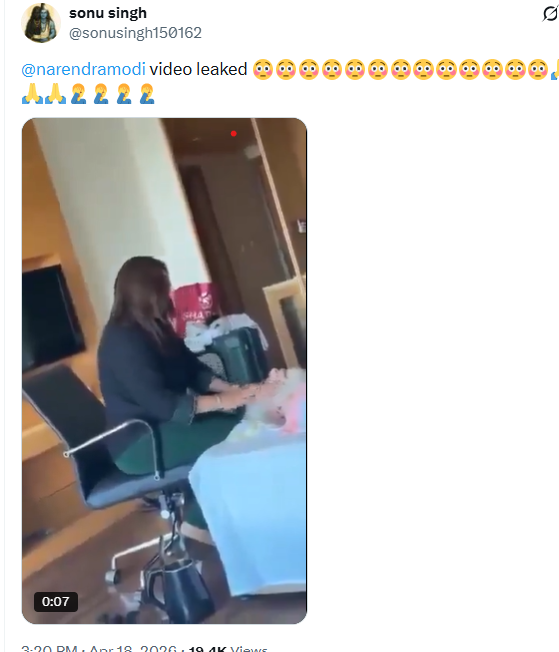
A video showing a woman giving a facial massage to an elderly man with a white beard is going viral on social media, with users claiming that the man is Prime Minister Narendra Modi. Some posts describe it as a “leaked massage video” of the Prime Minister, while others sarcastically link it to the glow on his face. However, research by the CyberPeace Research Wing found that the claim is false. The viral video has no connection to Narendra Modi and is being shared with a misleading narrative.
Claim
An X user named Sonu Singh shared the video with the caption: “Narendra Modi video leaked.”
Fact Check
To verify the claim, we extracted keyframes from the viral video and conducted a reverse image search. This led us to the same video uploaded on April 12, 2026, on the Instagram and Facebook pages of content creator Pradeep Kaur Dhillon, where it was captioned “Massage time.”


Further checks revealed another similar video posted on March 28, 2026, on the same social media accounts, with the caption: “Stylish, Spa day for him… kyunki self-care sirf ladies layi nahi.”

During the research, we also found that the man seen in the video is Jaspal Singh, Dhillon’s partner, who frequently appears in her social media posts. According to publicly available profile details, the duo resides in New Jersey, USA, and originally belongs to Amritsar, Punjab, India.

Conclusion
The viral claim is false. The video does not show Prime Minister Narendra Modi. It features content creators Pradeep Kaur Dhillon and Jaspal Singh and is being circulated online with a false and misleading claim.

Disclaimer:
This report is the collaborative outcome of insights derived from the CyberPeace Helpline’s operational statistics and the CyberPeace Research Team, covering the monthly helpline case trends of May 2025, the report identifies recurring trends, operational challenges, and strategic opportunities. The objective is to foster research-driven solutions that enhance the overall efficacy of the helpline.
Executive Summary:
This report summarizes the cybercrime cases reported in May, offering insights into case types, gender distribution, resolution status, and geographic trends.
As per our analysis, out of various Cyber Frauds Financial Fraud was the most reported issue, making up 43% of cases, followed by Cyberbullying (26%) and Impersonation (14%). Less frequent but serious issues included Sexual Harassment, Sextortion, Hacking, Data Tampering, and Cyber Defamation, each accounting for 3–6%, highlighting a mix of financial and behavioral threats.The gender distribution was fairly balanced, with 51% male and 49% female respondents. While both genders were affected by major crimes like financial fraud and cyber bullying, some categories—such as sexual harassment—reflected more gender-specific risks, indicating the need for gender-responsive policies and support.
Regarding case status, 60% remain under follow-up while 40% have been resolved, reflecting strong case-handling efforts by the team.
The location-wise data shows higher case concentrations in Uttar Pradesh, Andhra Pradesh, Karnataka, and West Bengal, with significant reports also from Delhi, Telangana, Maharashtra, and Odisha. Reports from the northeastern and eastern states confirm the nationwide spread of cyber incidents.In conclusion, the findings point to a growing need for enhanced cybersecurity awareness, preventive strategies, and robust digital safeguards to address the evolving cyber threat landscape across India.
Cases Received in May:
As per the given dataset, the following types of cases were reported to our team during the month of May:
- 💰 Financial Fraud – 43%
- 💬 Cyber Bullying – 26%
- 🕵️♂️ Impersonation – 14%
- 🚫 Sexual Harassment – 6%
- 📸 Sextortion – 3%
- 💻 Hacking – 3%
- 📝 Data Tampering – 3%
- 🗣️ Cyber Defamation – 3%

The chart illustrates various cybercrime categories and their occurrence rates. Financial Fraud emerges as the most common, accounting for 43% of cases, highlighting the critical need for stronger digital financial security. This is followed by Cyber Bullying at 26%, reflecting growing concerns around online harassment, especially among youth. Impersonation ranks third with 14%, involving identity misuse for deceitful purposes. Less frequent but still serious crimes such as Sexual Harassment (6%), Sextortion, Hacking, Data Tampering, and Cyber Defamation (each 3%) also pose significant risks to users’ privacy and safety. Overall, the data underscores the need for improved cybersecurity awareness, legal safeguards, and preventive measures to address both financial and behavioral threats in the digital space.
Gender-Wise Distribution:
- 👨 Male – 51%
- 👩 Female – 49%

The chart illustrates the distribution of respondents by gender. The data shows that Male participants make up 51% of the total, while Female participants account for 49%. This indicates a fairly balanced representation of both genders, with a slight majority of male respondents.
Gender-Wise Case Distribution:

- The chart presents a gender-wise distribution of various cybercrime cases, offering a comparative view of how different types of cyber incidents affect males and females.
- It highlights that both genders are significantly impacted by cybercrimes such as financial fraud and cyber bullying, indicating a widespread risk across the board.
- Certain categories, including sexual harassment, cyber defamation, and hacking, show more gender-specific patterns of victimization, pointing to differing vulnerabilities.
- The data suggests the need for gender-sensitive policies and preventive measures to effectively address the unique risks faced by males and females in the digital space.
- These insights can inform the design of tailored awareness programs, support services, and intervention strategies aimed at improving cybersecurity for all individuals.
Major Location Wise Distribution:
The map visualization displays location-wise distribution of reported cases across India. The cases reflect the cyber-related incidents or cases mapped geographically.

The map highlights the regional distribution of cybercrime cases across Indian states, with a higher concentration in Uttar Pradesh, Andhra Pradesh, Karnataka, and West Bengal. States like Delhi, Telangana, Maharashtra, and Odisha also show notable activity, indicating widespread cyber threats. Regions including Assam, Tripura, Bihar, Jharkhand, and Jammu & Kashmir further reflect the pan-India spread of such incidents. This distribution stresses the need for targeted cybersecurity awareness and stronger digital safeguards nationwide
CyberPeace Advisory:
- Use Strong and Unique Passwords: Create complex passwords using a mix of letters, numbers, and symbols. Avoid reusing the same password across multiple platforms.
- Enable Multi-Factor Authentication (MFA): Add an extra layer of security by using a second verification step like an OTP or authentication app.
- Keep Software Updated: Regularly update your operating system, apps, and security tools to protect against known vulnerabilities.
- Install Trusted Security Software: Use reliable antivirus and anti-malware programs to detect and block threats.
- Limit Information Sharing: Be cautious about sharing personal or sensitive details, especially on social media or public platforms.
- Secure Your Network: Protect your Wi-Fi with a strong password and encryption. Avoid accessing confidential information on public networks.
- Back Up Important Data: Regularly save copies of important files in secure storage to prevent data loss in case of an attack.
- Stay Informed with Cybersecurity Training: Learn how to identify scams, phishing attempts, and other online threats through regular awareness sessions.
- Control Access to Data: Give access to sensitive information only to those who need it, based on their job roles.
- Monitor and Respond to Threats: Continuously monitor systems for unusual activity and have a clear response plan for handling security incidents.
- CyberPeace Helpline mail ID: helpline@cyberpeace.net
- CyberPeace Helpline Number: 9570000066
- Central Government Helpline: https://cybercrime.gov.in/
- Central Government Helpline Number: 1930
Conclusion
The cybercrime cases reported in May highlight a diverse and evolving threat landscape across India. Financial fraud, cyber bullying, and impersonation are the most prevalent, affecting both genders almost equally, though some crimes like sexual harassment call for targeted gender-sensitive measures. With 60% of cases still under follow-up, the team’s efforts in investigation and resolution remain strong. Geographically, cyber incidents are widespread, with higher concentrations in several key states, demonstrating that no region is immune. These findings underscore the urgent need to enhance cybersecurity awareness, strengthen preventive strategies, and build robust digital safeguards. Proactive and inclusive approaches are essential to protect individuals and communities and to address the growing challenges posed by cybercrime nationwide.
