
#FactCheck: A viral claim suggests that India Post will remove all red letter boxes across the country beginning 1 September 2025.
Executive Summary:
A viral social media claim suggested that India Post would discontinue all red post boxes across the country from 1 September 2025, attributing the move to the government’s Digital India initiative. However, fact-checking revealed this claim to be false. India Post’s official X (formerly Twitter) and Instagram handles clarified on 7 August 2025 that red letterboxes remain operational, calling them timeless symbols of connection and memories. No official notice or notification regarding their discontinuation exists on the Department of Posts’ website. This indicates the viral posts were misleading and aimed at creating confusion among the public.
Claim:
A claim is circulating on social media stating that India Post will discontinue all red post boxes across the country effective 1 September 2025. According to the viral posts,[archived link] the move is being linked to the government’s push towards Digital India, suggesting that traditional post boxes have lost their relevance in the digital era.
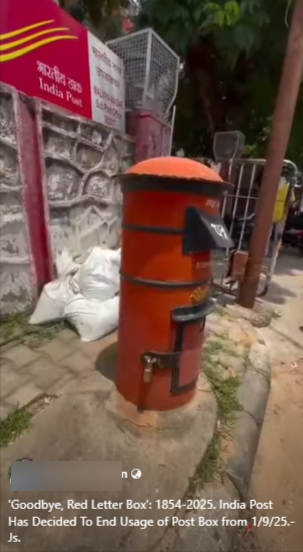
Fact Check:
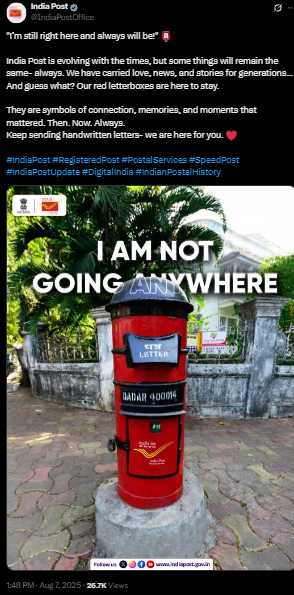
After conducting a reverse image analysis, we found that the official X handle of India Post, in a post dated 7 August 2025, clarified that the viral claim was incorrect and misleading. The post was shared with the caption:
I’m still right here and always will be!"
India Post is evolving with the times, but some things will remain the same- always. We have carried love, news, and stories for generations... And guess what? Our red letterboxes are here to stay.
They are symbols of connection, memories, and moments that mattered. Then. Now. Always.
Keep sending handwritten letters- we are here for you.
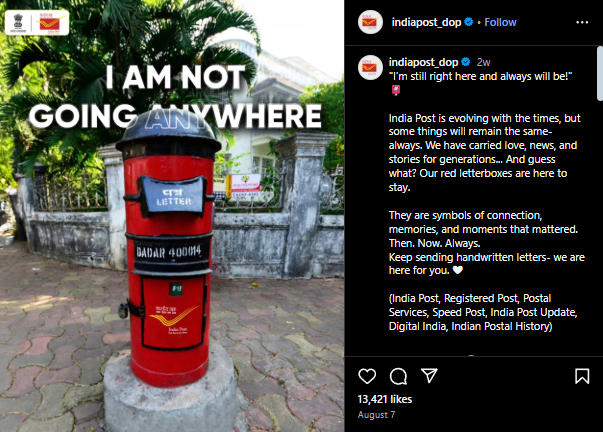
This directly refutes the viral claim about the discontinuation of the red post box from 1 September 2025. A similar clarification was also posted on the official Instagram handle @indiapost_dop on the same date.
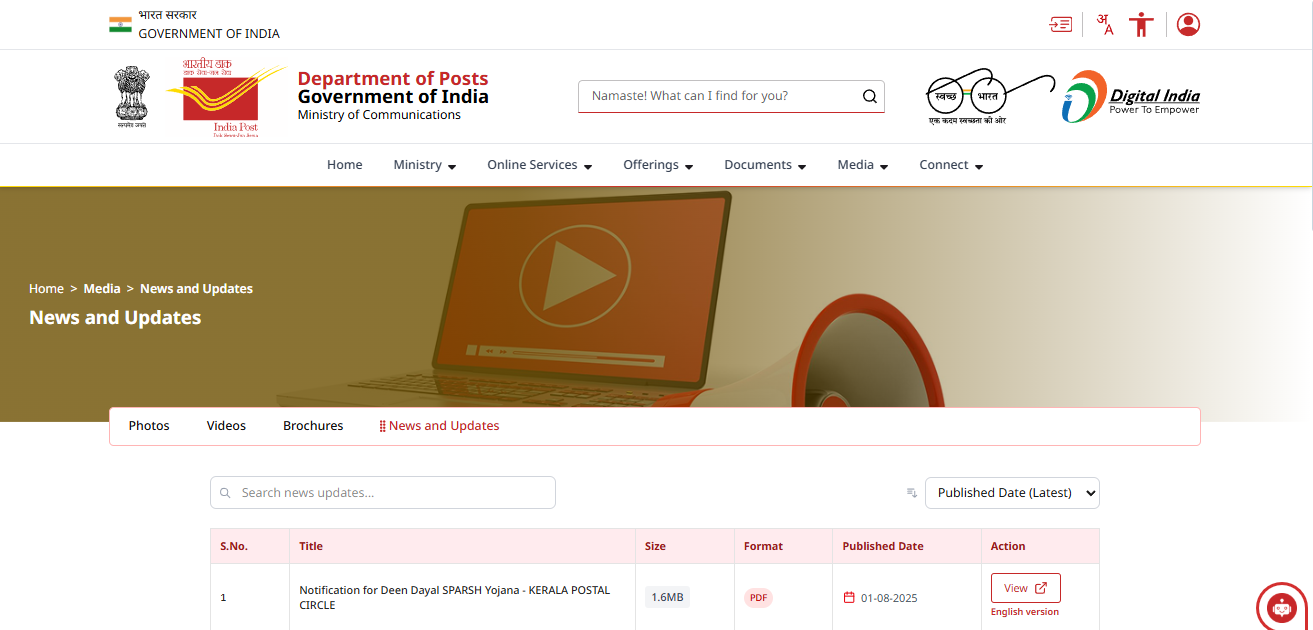
Furthermore, after thoroughly reviewing the official website of the Department of Posts, Government of India, we found absolutely no trace, notice, or even the slightest mention of any plan to discontinue the iconic red post boxes. This complete absence of official communication strongly reinforces the fact that the viral claim is nothing more than a baseless and misleading rumour.
Conclusion:
The claim about the discontinuation of red post boxes from 1 September 2025 is false and misleading. India Post has officially confirmed that the iconic red letterboxes will continue to function as before and remain an integral part of India’s postal services.
- Claim: A viral claim suggests that India Post will remove all red letter boxes across the country beginning 1 September 2025.
- Claimed On: Social Media
- Fact Check: False and Misleading

Related Blogs

Introduction
February marks the beginning of Valentine’s Week, the time when we transcend from the season of smog to the season of love. This is a time when young people are more active on social media and dating apps with the hope of finding a partner to celebrate the occasion. Dating Apps, in order to capitalise on this occasion, launch special offers and campaigns to attract new users and string on the current users with the aspiration of finding their ideal partner. However, with the growing popularity of online dating, the tactics of cybercriminals have also penetrated this sphere. Scammers are now becoming increasingly sophisticated in manipulating individuals on digital platforms, often engaging in scams, identity theft, and financial fraud under the guise of romance. As love fills the air, netizens must stay vigilant and cautious while searching for a connection online and not fall into a scammer’s trap.
Here Are Some CyberPeace Tips To Avoid Romance Scams
- Recognize Red Flags of Romance Scams:- Online dating has made it easier to connect with people, but it has also become a tool for scammers to exploit the emotions of netizens for financial gain. They create fake profiles, build trust quickly, and then manipulate victims into sending money. Understanding their tactics can help you stay safe.
- Warning Signs of a Romance Scam:- If someone expresses strong feelings too soon, it’s a red flag. Scammers often claim to have fallen in love within days or weeks, despite never meeting in person. They use emotional pressure to create a false sense of connection. Their messages might seem off. Scammers often copy-paste scripted responses, making conversations feel unnatural. Poor grammar, inconsistencies in their stories, or vague answers are warning signs. Asking for money is the biggest red flag. They might have an emergency, a visa issue, or an investment opportunity they want you to help with. No legitimate relationship starts with financial requests.
- Manipulative Tactics Used by Scammers:- Scammers use love bombing to gain trust. They flood you with compliments, calling you their soulmate or destiny. This is meant to make you emotionally attached. They often share fake sob stories. It could be anything ranging from losing a loved one, facing a medical emergency, or even being stuck in a foreign country. These are designed to make you feel sorry for them and more willing to help. Some of these scammers might even pretend to be wealthy, being investors or successful business owners, showing off their fabricated luxury lifestyle in order to appear credible. Eventually, they’ll try to lure you into a fake investment. They create a sense of urgency. Whether it’s sending money, investing, or sharing personal details, scammers will push you to act fast. This prevents you from thinking critically or verifying your claims.
- Financial Frauds Linked to Romance Scams:- Romance scams have often led to financial fraud. Victims may be tricked into sending money directly or get roped into elaborate schemes. One common scam is the disappearing date, where someone insists on dining at an expensive restaurant, only to vanish before the bill arrives. Crypto scams are another major concern. Scammers convince victims to invest in fake cryptocurrency platforms, promising huge returns. Once the money is sent, the scammer disappears, leaving the victim with nothing.
- AI & Deepfake Risks in Online Dating:- Advancements in AI have made scams even more convincing. Scammers use AI-generated photos to create flawless, yet fake, profile pictures. These images often lack natural imperfections, making them hard to spot. Deepfake technology is also being used for video calls. Some scammers use pre-recorded AI-generated videos to fake live interactions. If a person’s expressions don’t match their words or their screen glitches oddly, it could be a deepfake.
- How to Stay Safe:-
- Always verify the identities of those who contact you on these sites. A simple reverse image search can reveal if someone’s profile picture is stolen.
- Avoid clicking suspicious links or downloading unknown apps sent by strangers. These can be used to steal your personal information.
- Trust your instincts. If something feels off, it probably is. Stay alert and protect yourself from online romance scams.
Best Online Safety Practices
- Prioritize Social Media Privacy:- Review and update your privacy settings regularly. Think before you share and be mindful of who can see your posts/stories. Avoid oversharing personal details.
- Report Suspicious Activities:- Even if a scam attempt doesn’t succeed, report it. Indian Cyber Crime Coordination Centre (I4C) 'Report Suspect' feature allow users to flag potential threats, helping prevent cybercrimes.
- Think Before You Click or Download:- Avoid clicking on unknown links or downloading attachments from unverified sources. These can be traps leading to phishing scams or malware attacks.
- Protect Your Personal Information:- Be cautious with whom and how you share your sensitive details online. Cybercriminals exploit even the smallest data points to orchestrate fraud.

Starting in mid-December, 2024, a series of attacks have targeted Chrome browser extensions. A data protection company called Cyberhaven, California, fell victim to one of these attacks. Though identified in the U.S., the geographical extent and potential of the attack are yet to be determined. Assessment of these cases can help us to be better prepared for such instances if they occur in the near future.
The Attack
Browser extensions are small software applications that add and enable functionality or a capacity (feature) to a web browser. These are written in CSS, HTML, or JavaScript and like other software, can be coded to deliver malware. Also known as plug-ins, they have access to their own set of Application Programming Interface (APIs). They can also be used to remove unwanted elements as per customisation, such as pop-up advertisements and auto-play videos, when one lands on a website. Some examples of browser extensions include Ad-blockers (for blocking ads and content filtering) and StayFocusd (which limits the time of the users on a particular website).
In the aforementioned attack, the publisher of the browser at Cyberhaven received a phishing mail from an attacker posing to be from the Google Chrome Web Store Developer Support. It mentioned that their browser policies were not compatible and encouraged the user to click on the “Go to Policy”action item, which led the user to a page that enabled permissions for a malicious OAuth called Privacy Policy Extension (Open Authorisation is an adopted standard that is used to authorise secure access for temporary tokens). Once the permission was granted, the attacker was able to inject malicious code into the target’s Chrome browser extension and steal user access tokens and session cookies. Further investigation revealed that logins of certain AI and social media platforms were targeted.
CyberPeace Recommendations
As attacks of such range continue to occur, it is encouraged that companies and developers take active measures that would make their browser extensions less susceptible to such attacks. Google also has a few guidelines on how developers can safeguard their extensions from their end. These include:
- Minimal Permissions For Extensions- It is encouraged that minimal permissions for extensions barring the required APIs and websites that it depends on are acquired as limiting extension privileges limits the surface area an attacker can exploit.
- Prioritising Protection Of Developer Accounts- A security breach on this end could lead to compromising all users' data as this would allow attackers to mess with extensions via their malicious codes. A 2FA (2-factor authentication) by setting a security key is endorsed.
- HTTPS over HTTP- HTTPS should be preferred over HTTP as it requires a Secure Sockets Layer (SSL)/ transport layer security(TLS) certificate from an independent certificate authority (CA). This creates an encrypted connection between the server and the web browser.
Lastly, as was done in the case of the attack at Cyberhaven, it is encouraged to promote the practice of transparency when such incidents take place to better deal with them.
References
- https://indianexpress.com/article/technology/tech-news-technology/hackers-hijack-companies-chrome-extensions-cyberhaven-9748454/
- https://indianexpress.com/article/technology/tech-news-technology/google-chrome-extensions-hack-safety-tips-9751656/
- https://www.techtarget.com/whatis/definition/browser-extension
- https://www.forbes.com/sites/daveywinder/2024/12/31/google-chrome-2fa-bypass-attack-confirmed-what-you-need-to-know/
- https://www.cloudflare.com/learning/ssl/why-use-https/
Executive Summary
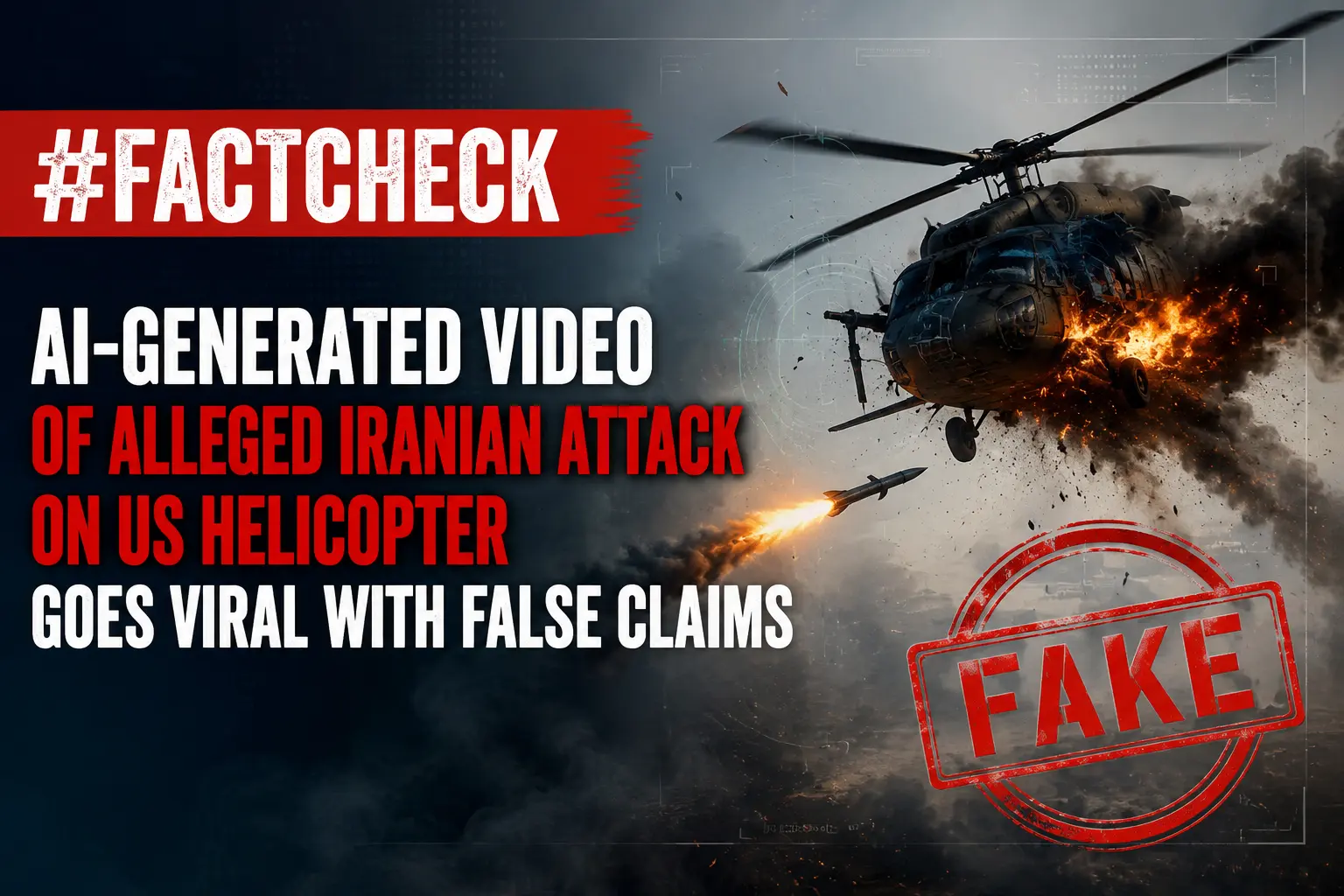
A video is being widely shared on social media showing armed personnel attacking a helicopter. The video is being circulated with the claim that Iranian soldiers shot down a US military helicopter near the Strait of Hormuz amid rising tensions between the United States and Iran. CyberPeace Research Wing research found the claim to be false. The viral video is AI-generated and is being shared with misleading context.
Claim:
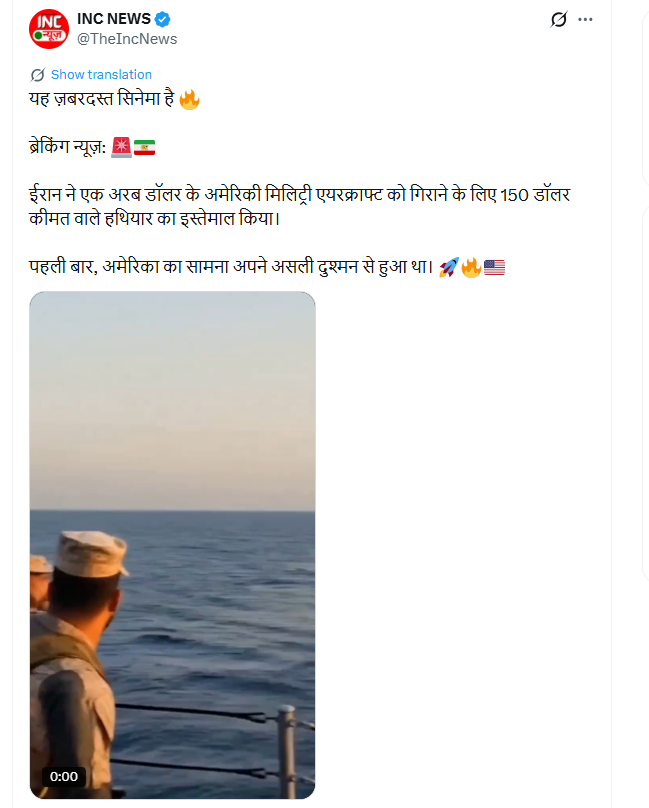
An X (formerly Twitter) user shared the video on June 10, 2026, with the caption: “This is great cinema. Breaking News: Iran used a $150 weapon to bring down a $1 billion US military aircraft. For the first time, America has met its real enemy.”
Post link and archive link can be seen below:
https://x.com/TheIncNews/status/2064758088012607544?s=20
https://archive.ph/LUDUz
Fact-Check
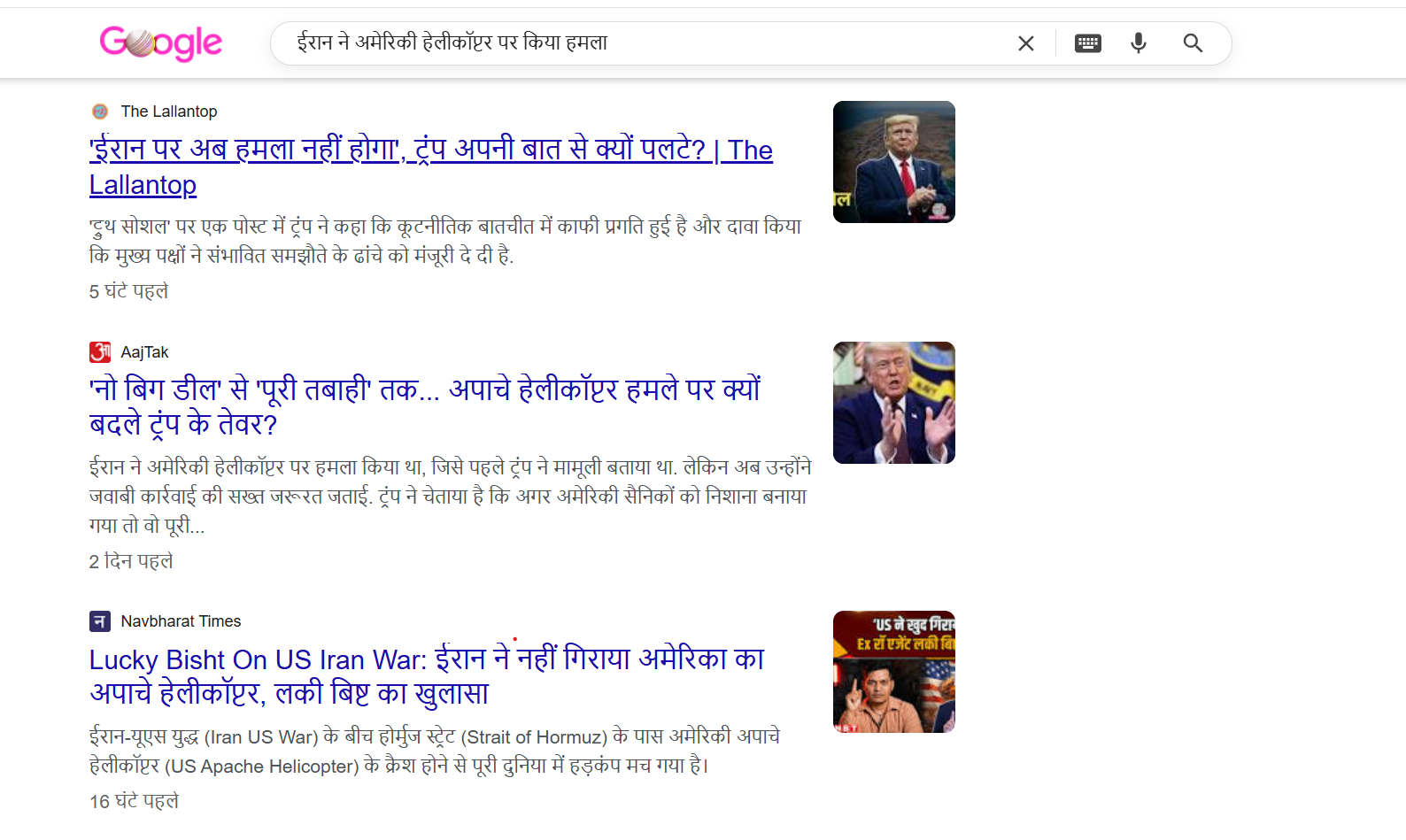
To verify the claim, we conducted a keyword search on Google. However, no credible media reports were found supporting this claim.
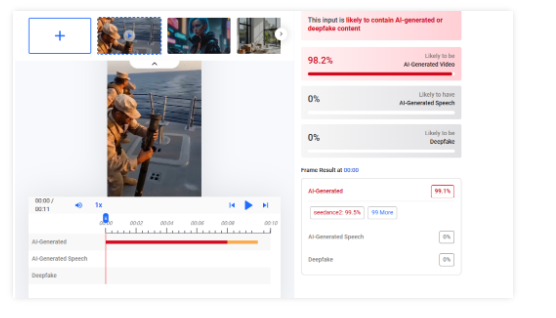
On closely examining the video, we suspected it to be AI-generated. We then analyzed it using the AI detection tool HIVE MODERATION. The results indicated that the video is 98% likely to be AI-generated.
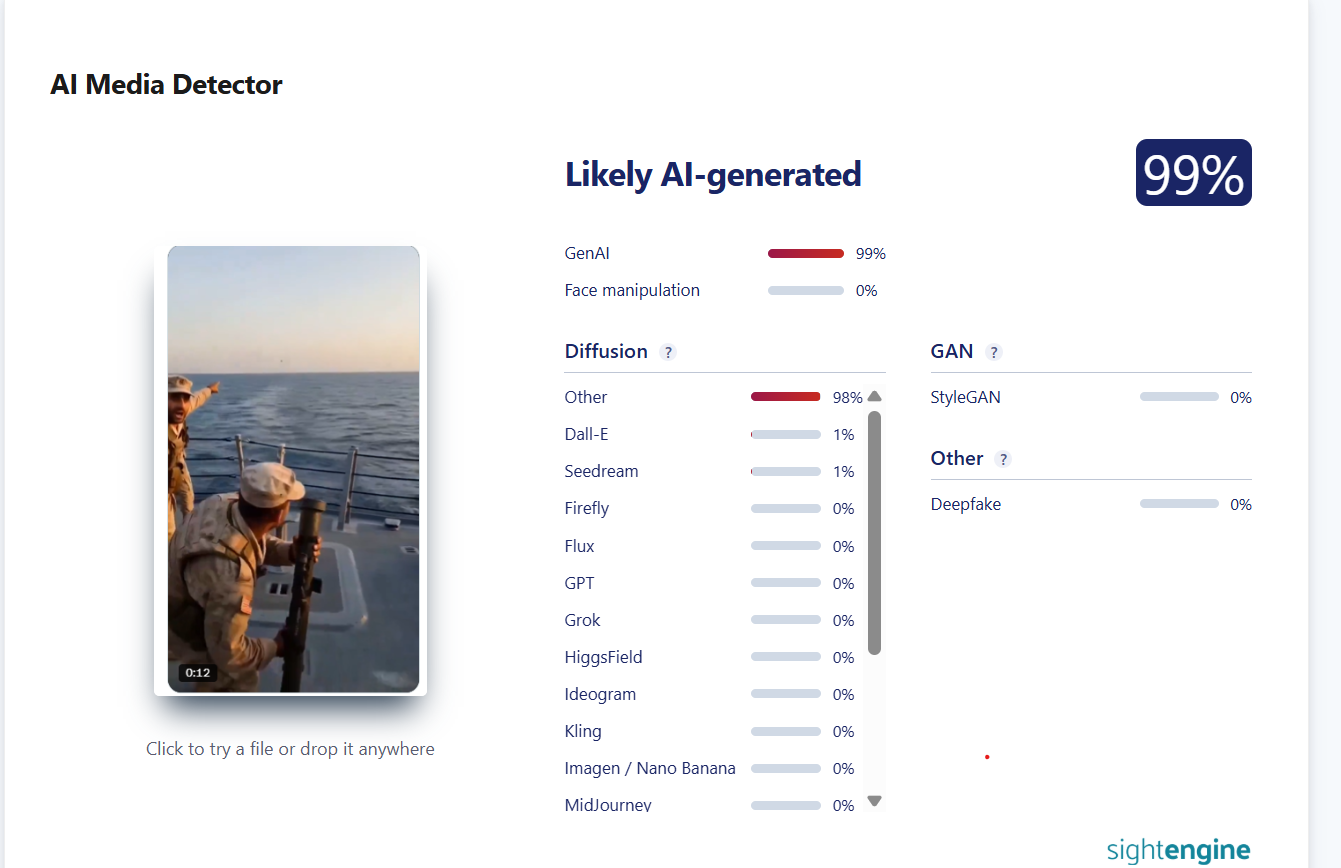
In the next step, we further analyzed the video using another AI detection tool, SIGHTENGINE. The results showed a 99% probability of the video being AI-generated.
Conclusion:
Our research confirms that the viral video is AI-generated and does not depict any real-world incident. The content is being circulated with a misleading and false narrative, falsely linking it to ongoing geopolitical tensions, despite there being no credible evidence or verified reports supporting such a claim.
