#FactCheck - AI-Generated Video Falsely Claims Israeli PM Netanyahu Announced Aid for Afghanistan at PM Modi’s Request
Executive Summary:
A video is widely circulating on social media in which Israel’s Prime Minister Benjamin Netanyahu appears to praise India’s Prime Minister Narendra Modi. The viral clip is being shared with the claim that during a speech delivered on February 25, 2026, Netanyahu announced a special aid package for Afghanistan at the request of PM Modi. However, research by CyberPeace found the claim to be false. The research revealed that the circulating video was generated using artificial intelligence. The probe also confirmed that Netanyahu did not make any announcement related to Afghanistan or the Taliban during the speech.
Claim
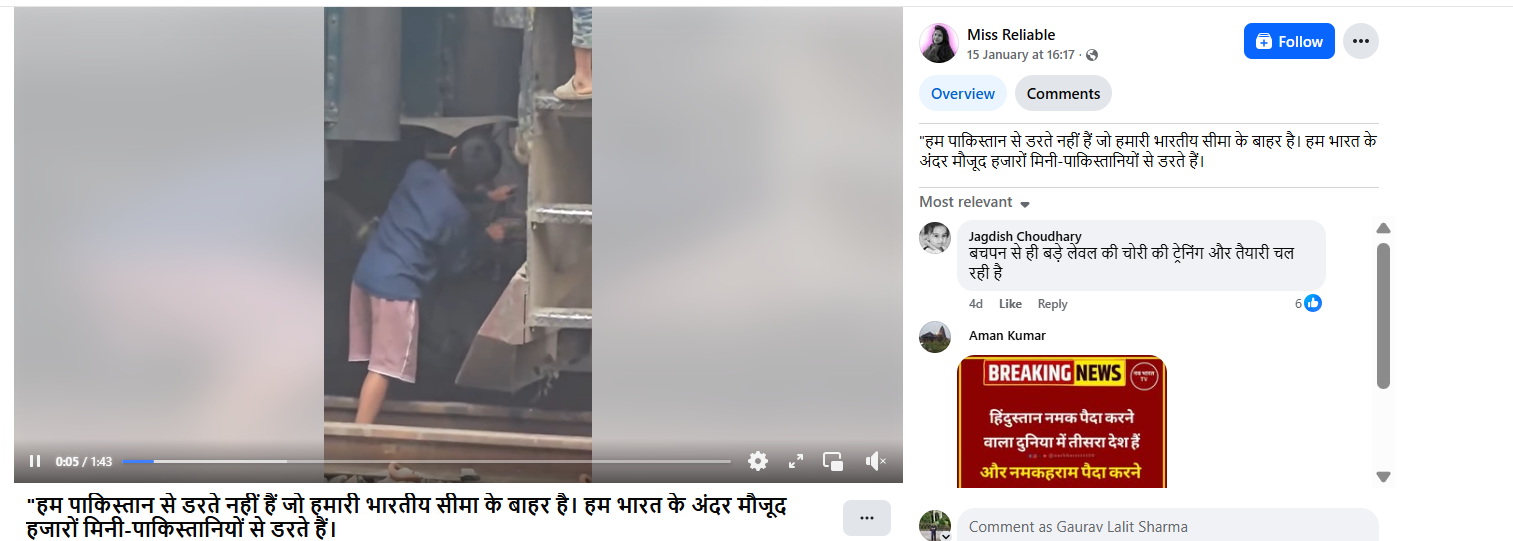
On March 1, 2026, a social media user shared the viral video on Facebook claiming that Netanyahu praised PM Modi and announced a special assistance package for Afghanistan following India’s request. The links to the post and its archive are provided below, along with a screenshot.

Fact Check:
To verify the claim, we first searched Google using relevant keywords. However, we did not find any credible media reports supporting the claim that Israel had announced such an aid package for Afghanistan. Next, we extracted key frames from the viral video and performed a reverse image search using Google Lens. During this process, we found the original video on the YouTube channel of VERTEX, which had been uploaded on February 25, 2026.

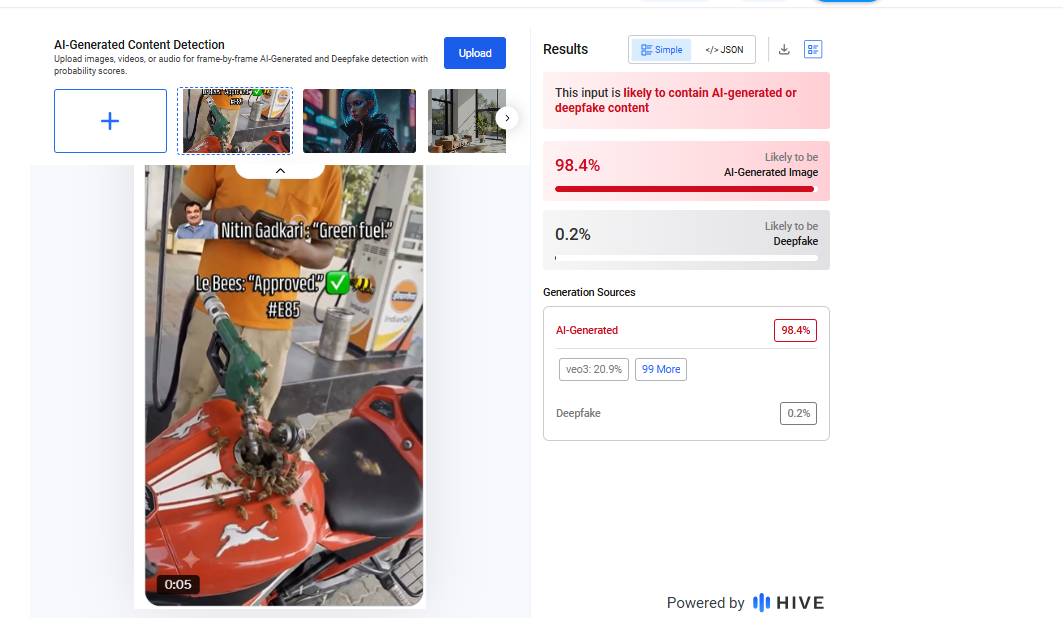
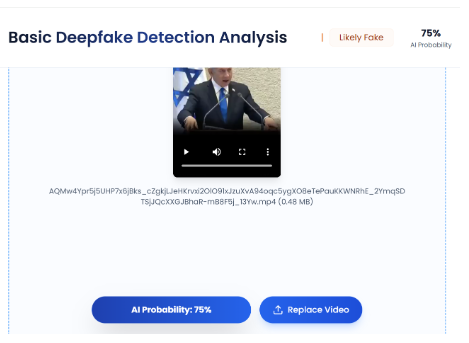
A detailed review of the original video revealed that the viral clip circulating on social media is not part of the original footage. This indicates that the circulating clip has been manipulated and shared with a misleading claim. In the original video, Netanyahu was addressing a special parliamentary session in Jerusalem, where he spoke about the growing trade, strategic cooperation, and strengthening diplomatic relations between India and Israel. He described the partnership between the two democracies as a significant and historic milestone in bilateral relations. Upon carefully listening to the viral clip, we noticed irregularities in the voice and tone, which raised suspicions that it might be AI-generated. We then analyzed the video using the AI detection tool TruthScan. The results indicated that the viral video has approximately a 75% probability of being AI-generated.
Conclusion
Our research found that the viral video was created using artificial intelligence. Moreover, Israel’s Prime Minister Benjamin Netanyahu did not make any announcement regarding Afghanistan or the Taliban during the speech being referenced. The claim circulating on social media is therefore false.
Related Blogs

Introduction
Netflix is no stranger to its subscribers being targeted by SMS and email-led phishing campaigns. But the most recent campaign has been deployed at a global scale, affecting paid users in as many as 23 countries according to cybersecurity firm Bitdefender. In this particular campaign, attackers are using the carrot-and-stick tactic of either creating a false sense of urgency or promising rewards to steal financial information and Netflix credentials. For example, users may be contacted via SMS and told that their account is being suspended due to payment failures. A fake website may be shared through a link, encouraging the individual to share sensitive information to restore their account. Once this information has been input, it is now accessible to the attackers. This can create significant stress and even financial loss for its users. Thus, they are encouraged to develop the necessary skills to recognize and respond to these threats effectively.
How The Netflix Scam Works
Users are typically contacted through SMS. Bitdefender reports that these messages may look something like this:
"NETFLIX: There was an issue processing your payment. To keep your services active, please sign in and confirm your details at: https://account-details[.]com"
On clicking the link, the victim is directed to a website designed to mimic an authentic user experience interface, containing Netflix’s logo, color scheme, and grammatically-correct text. The website uses this interface to encourage the victim to divulge sensitive personal information, such as account credentials and payment details. Since this is a phishing website, the user’s personal information becomes accessible to the attacker as soon as it is entered. This information is then sold individually or in bundles on the dark web.
Practical Steps to Stay Safe
- Know Netflix’s Customer Interface: According to Netflix, it will never ask users to share personal information including credit or debit card numbers, bank account details, and Netflix passwords. It will also never ask for payment through a third-party vendor or website.
- Verify Authenticity: Do not open links from unknown sources sent by email or sms. If unsure, access Netflix directly by typing the URL into the browser instead of clicking on links in emails or texts. If the link has been opened, do not enter any information.
- Use Netflix’s Official Support Channels: Confirm any suspicious communication through Netflix’s verified help page or app. Write to phishing@netflix.com with any complaints about such an issue.
- Contact Your Financial Institution: If you have entered your personal information into a phishing website, you should immediately reach out to your bank to block your card and change your Netflix password. Contact the authorities via www.cybercrime.gov.in or by calling the helpline at 1930 in case of loss of funds.
- Use Strong Passwords and Enable MFA/2FA: Users are advised to use a unique, strong password with multiple characters. Enable Multi-Factor Authentication or Two Factor Authentication to your accounts, if available, to add an extra level of security.
Conclusion
Phishing campaigns which are designed to gather customer data through fraudulent means often involve sending links to as many users as possible, with the aim of monetizing stolen information. Attackers exploit user trust in online platforms to steal sensitive personal information, making such campaigns more sophisticated as highlighted above. This underscores the need for users of online platforms to practice good cyber hygiene by verifying information, learning to detect suspicious information and ignoring it, and staying aware of the types of online fraud they may be exposed to.
Sources
- https://www.bitdefender.com/en-gb/blog/hotforsecurity/netflix-scam-stay-safe
- https://help.netflix.com/en/node/65674
- https://timesofindia.indiatimes.com/technology/tech-news/netflix-users-beware-this-netflix-subscription-scam-is-active-in-23-countries-how-to-spot-one-and-stay-safe/articleshow/115820070.cms

Introduction
An age of unprecedented problems has been brought about by the constantly changing technological world, and misuse of deepfake technology has become a reason for concern which has also been discussed by the Indian Judiciary. Supreme Court has expressed concerns about the consequences of this quickly developing technology, citing a variety of issues from security hazards to privacy violations to the spread of disinformation. In general, misuse of deepfake technology is particularly dangerous since it may fool even the sharpest eye because they are almost identical to the actual thing.
SC judge expressed Concerns: A Complex Issue
During a recent speech, Supreme Court Justice Hima Kohli emphasized the various issues that deepfakes present. She conveyed grave concerns about the possibility of invasions of privacy, the dissemination of false information, and the emergence of security threats. The ability of deepfakes to be created so convincingly that they seem to come from reliable sources is especially concerning as it increases the potential harm that may be done by misleading information.
Gender-Based Harassment Enhanced
In this internet era, there is a concerning chance that harassment based on gender will become more severe, as Justice Kohli noted. She pointed out that internet platforms may develop into epicentres for the quick spread of false information by anonymous offenders who act worrisomely and freely. The fact that virtual harassment is invisible may make it difficult to lessen the negative effects of toxic online postings. In response, It is advocated that we can develop a comprehensive policy framework that modifies current legal frameworks—such as laws prohibiting sexual harassment online —to adequately handle the issues brought on by technology breakthroughs.
Judicial Stance on Regulating Deepfake Content
In a different move, the Delhi High Court voiced concerns about the misuse of deepfake and exercised judicial intervention to limit the use of artificial intelligence (AI)-generated deepfake content. The intricacy of the matter was highlighted by a division bench. The bench proposed that the government, with its wider outlook, could be more qualified to handle the situation and come up with a fair resolution. This position highlights the necessity for an all-encompassing strategy by reflecting the court's acknowledgement of the technology's global and borderless character.
PIL on Deepfake
In light of these worries, an Advocate from Delhi has taken it upon himself to address the unchecked use of AI, with a particular emphasis on deepfake material. In the event that regulatory measures are not taken, his Public Interest Litigation (PIL), which is filed at the Delhi High Court, emphasises the necessity of either strict limits on AI or an outright prohibition. The necessity to discern between real and fake information is at the center of this case. Advocate suggests using distinguishable indicators, such as watermarks, to identify AI-generated work, reiterating the demand for openness and responsibility in the digital sphere.
The Way Ahead:
Finding a Balance
- The authorities must strike a careful balance between protecting privacy, promoting innovation, and safeguarding individual rights as they negotiate the complex world of deepfakes. The Delhi High Court's cautious stance and Justice Kohli's concerns highlight the necessity for a nuanced response that takes into account the complexity of deepfake technology.
- Because of the increased complexity with which the information may be manipulated in this digital era, the court plays a critical role in preserving the integrity of the truth and shielding people from the possible dangers of misleading technology. The legal actions will surely influence how the Indian judiciary and legislature respond to deepfakes and establish guidelines for the regulation of AI in the nation. The legal environment needs to change as technology does in order to allow innovation and accountability to live together.
Collaborative Frameworks:
- Misuse of deepfake technology poses an international problem that cuts beyond national boundaries. International collaborative frameworks might make it easier to share technical innovations, legal insights, and best practices. A coordinated response to this digital threat may be ensured by starting a worldwide conversation on deepfake regulation.
Legislative Flexibility:
- Given the speed at which technology is advancing, the legislative system must continue to adapt. It will be required to introduce new legislation expressly addressing developing technology and to regularly evaluate and update current laws. This guarantees that the judicial system can adapt to the changing difficulties brought forth by the misuse of deepfakes.
AI Development Ethics:
- Promoting moral behaviour in AI development is crucial. Tech businesses should abide by moral or ethical standards that place a premium on user privacy, responsibility, and openness. As a preventive strategy, ethical AI practices can lessen the possibility that AI technology will be misused for malevolent purposes.
Government-Industry Cooperation:
- It is essential that the public and commercial sectors work closely together. Governments and IT corporations should collaborate to develop and implement legislation. A thorough and equitable approach to the regulation of deepfakes may be ensured by establishing regulatory organizations with representation from both sectors.
Conclusion
A comprehensive strategy integrating technical, legal, and social interventions is necessary to navigate the path ahead. Governments, IT corporations, the courts, and the general public must all actively participate in the collective effort to combat the misuse of deepfakes, which goes beyond only legal measures. We can create a future where the digital ecosystem is safe and inventive by encouraging a shared commitment to tackling the issues raised by deepfakes. The Government is on its way to come up with dedicated legislation to tackle the issue of deepfakes. Followed by the recently issued government advisory on misinformation and deepfake.
References:

Introduction
As the world is being "Digitally Interlaced", cyber security has become a continuous wrangle. The “Gambling industry” is considered an incredibly lucrative mark for cybercriminals, principally due to the enormous quantities of cash on hand and the sensitive details it processes day to day. Cybercriminals may use susceptibilities in gambling scaffolds to achieve financial scams or launder unlawful funds. An analysis by Security Scorecard discovered that the online gambling industry was ranked third in the possibility of encountering a cyber attack, following the energy and financial services sectors. Similarly, Online gambling is a bending matter that demands meticulous contemplation by policymakers and nationals. The incredible rise of online gambling has led to a terse acclivity in unlawful activities such as online scams, fraud, etc. Also, online sports gambling has become a thriving endeavour in contemporary years as millions of people are putting stakes and gambles on their electronic devices.
The Challenges
Online gambling has thus become a widespread frolicking for numerous youngsters, with the industry tossed to be worth billions of dollars in the forthcoming decades. The prominent cyber security challenges in the gambling industry are money laundering, financial laundering, ransomware, personal information theft, data breaches, distributed Denial of Service (DDoS), system disruptions and Insider perils and employee malfeasance. Challenges of online gambling also include being properly not regulated and a lack of social interaction with near and dear ones. The spread of Internet gambling has presented many problems affecting consumer behaviour online, motivations to gamble, problem gambling, security of websites, and the righteousness and virtue of the games. The rise of online gambling among young people due to the lack of clear regulations has likewise produced an abundant backdrop for financial ruination.
Web games and betting are among the fastest-evolving areas of the Internet. Over the past several years, there has been an international flare-up in online gambling, permitting customers to play from the convenience of home, work, and public locations. Numerous offshore betting websites and apps usually permit parties to win in the start with sound returns, whereas after the user gets addicted and invests considerable sums, they either keep failing or have the website refuse to cash out the winnings. Also, the information demonstrates that online games have been employed to commit wrongdoings (Child sexual exploitive material, religious conversion, cyberbullying, fraud, betting in virtual online casinos, etc.)
India's laws and regulations surrounding online gambling are complex and constantly evolving. While the legal framework is not entirely clear, a few state in India have their own set of rules.
Recently In April 2023, the Union Ministry of Electronics and Information Technology (“MeitY”), by virtue of the rule-making powers available to the central government under the Information Technology Act, 2000 (“IT Act 2000”), implemented a new central legal framework for online gaming through amendments to the Information Technology (Intermediary Guidelines and Digital Media Ethics Code) Rules, 2021 (“IT Rules 2021”). These amendments (“Online Gaming Rules”) propose a light-touch, co-regulatory regime whereby MeitY-recognised, independent self-regulatory bodies (“SRB”) will verify whether an “online real-money game” is to be made available to the general public or not – in accordance with the baseline criteria prescribed by the Online Gaming Rules.
The Online Gaming Rules attempt to regulate online gaming platforms by treating them as an “online gaming intermediary” (“OGI”) and prescribing intermediary due diligence obligations for them under the IT Rules 2021. An OGI has been defined in the Online Gaming Rules as “any intermediary that enables the users of its computer resource to access one or more online games”. Under the Online Gaming Rules, an online game can be a “permissible online game” if (i) it is not an online real-money game, or (ii) it is an online real-money game but is “verified” by an SRB in accordance with the baseline criteria prescribed by the Online Gaming Rules and any additional criteria prescribed by the SRB itself.
Global Perspective
The global gaming industry worth over US$227 billion in 2022 is further projected to grow to US$312 billion by 2027. Several countries have set regulatory frameworks about online gaming, though these are skewed, concentrating mainly on gambling and circumventing numerous of the more typical cyber threats. The US spends about $60 billion annually on online gambling and sports betting. In Europe, gambling is an even larger moneymaker. Also, numerous countries in Europe, like the UK, have legalised gambling. Nevertheless, it is prohibited for a US based company to operate an online gambling site. Yet, sports betting online is permitted in some states.
Today, though the gaming market has been overpowered by China and the US, future growth in the sector is anticipated to come from emerging economies like India with increasing populations. The permitted status of online gambling in India is nonetheless imprecise, vamoosing space for exploitation by cyber criminals and disarray for players involved. One of the climactic points that ought to be addressed is the sudden upsurge of online games, which increases gambling. Skill-based games such as poker, rummy etc., have additionally been developed to circumvent the legal definition of gambling in India. The recent instances of the online gaming industry not being properly regulated have also come to light in India. For instance, the Enforcement Directorate (ED) is still investigating the vast Mahadev Online Betting scandal, exposing an unknown money laundering method using Unified Payment Interface (UPI) IDs. Also, the Cyber Cell in Agra has taken proactive action against copyright violations, illegal online gambling and betting activities, shutting down 27 Illegal cricket betting sites in major operations, safeguarding several lakhs of Indians with thousands of crores from being transferred to overseas shores principally China.
Consequently, though India has announced new regulations on online gaming, its contemporary policy framework cannot contend with the problems endangering this sector. The Public Gambling Act of 1867 makes it unlawful to use a public gambling house or to be seen in one. Nevertheless, the act does not explicitly cite online gambling, leading to further interpretation. The Ministry of Home Affairs (MHA) has released a further awareness campaign for offshore illegal gambling apps, notifying users to be mindful of foreign apps as they may be fraudulent and might induce monetary damage to the user. Also, state laws control gambling in India with each state having its own directive on the subject. Yet, the Supreme Court of India has maintained that skilled games are not gambling and are thus legal. Furthermore, the Information Technology (IT) Act, of 2000 does not precisely handle online gambling or games that enable gambling.
Today, developers have strived for new ways to monetise the growing popularity of online gaming, which oversaw the creation of in-game currencies that can be bought using actual money, usually through credit cards. Several nations have prohibited the usage of in-game currency and loot boxes, considering them a kind of online gambling. The in-game currency has thus caused much disagreement about becoming a state of hunting monetisation by developers, especially targeting minor or newbie players. The gambling industry, therefore, faces unique cybersecurity challenges that require a comprehensive and proactive approach to cybersecurity.
Conclusion
Presently, there are approximately 3.09 billion active video game players worldwide, and the number is expected to reach 3.32 billion by 2024 as of 2023. In the contemporary digital era, information is priceless, and encryption acts as a necessary means to safeguard it. Thus, Regulators are working to maintain the swiftness of shift in the industry, as the dearth of transparency in the law has made it challenging to implement regulations. There is also less awareness about cyber security in India due to the following grounds such as the lack of ethical hackers in the country, companies in India lacking focus on cyber security and hiring a team of ethical hackers and cyber security experts. Furthermore, there has been a lack of knowledge among the citizens as well.
It is essential to realise the conceivable social and economic consequences and take measures to handle the online gambling industry. The industry has thus been undersized in the mode of research following online crime and Internet gambling, even though it is an acute emphasis. There is also a pressing necessity to rebuild these regulations to tackle the more unbridled cyber security hazards swarming the gaming industry. Similarly, there is an urgent need for governments and policymakers around the world to start paying more attention to the gaming industry as cyber security threats continue to rise. There should be a further need to strengthen the regulatory framework, establish Self Regulatory Organizations (SROs), create ethical gaming designs and increase awareness among gamers. The Government of India should consider devising its own rating system to rate games so that players under 18 cannot access them.
Eventually, cyber security is a shared commitment, and everyone in the online gambling ecosystem must function jointly to provide a secure and safe setting for all.
References:
- https://truefort.com/gambling-industry-cybersecurity/
- https://www.orfonline.org/research/cybersecurity-threats-in-online-gaming-learnings-for-india
- https://www.hackread.com/chinese-scammers-cloned-websites-gambling-network/
- https://www.civilsdaily.com/news/cybersecurity-threats-from-online-gaming/
- https://www.linkedin.com/pulse/legal-considerations-online-gambling-india-sudden-increase-mathur/
- https://www.jsheld.com/insights/articles/the-importance-of-cybersecurity-in-the-online-sports-betting-industry
- https://www.the420.in/agra-cyber-cell-takes-down-27-illegal-betting-sites/
- https://g2g.news/gaming/ministry-of-home-affairs-releases-new-awareness-campaign-for-online-gaming-in-india/
- https://smestreet.in/technology/kaspersky-warns-of-increased-phishing-scams-and-data-breaches-in-apac-for-2024-2381601
- https://economictimes.indiatimes.com/tech/newsletters/morning-dispatch/govt-bans-mahadev-other-illegal-betting-apps-cyber-attacks-against-india-spike/articleshow/104996017.cms?from=mdr
- https://cipher.com/cybersecurity-for-gambling/
- https://www.mangalorean.com/tightening-the-reins-indian-government-blocks-over-550-illegal-betting-and-gambling-apps/
- https://cybersecurityasean.com/news-press-releases/kaspersky-predicts-rise-cyber-threats-across-apac-2024
- https://www.cnbctv18.com/technology/mahadev-betting-app-scam-ed-money-laundering-upi-celebrities-under-scanner-17815661.htm
- https://iclg.com/practice-areas/gambling-laws-and-regulations/india