
#FactCheck -Viral Claim of Alcohol Ban in West Bengal by Amit Shah Is Fake, No Such Announcement Made
Executive Summary
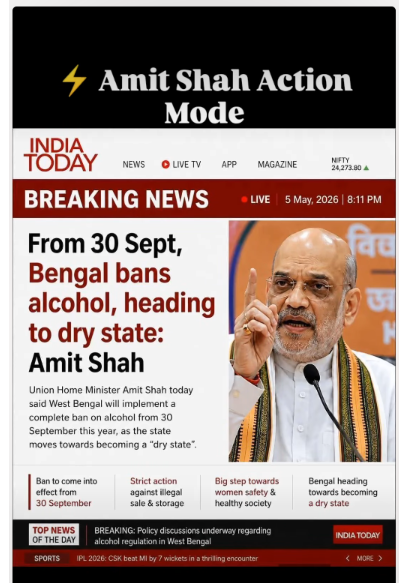
A graphic featuring Union Home Minister Amit Shah is being widely shared on social media, claiming that he has announced a complete ban on alcohol in West Bengal from September 30. The post further suggests that the state will move towards becoming a dry state. Notably, this claim surfaced soon after the BJP’s victory in the West Bengal Assembly elections. CyberPeace Research Wing research has found the viral claim to be false. Our research confirms that Home Minister Amit Shah has not made any such announcement.
Claim:
On Instagram, a user shared a viral graphic on May 8, 2026, alleging that Amit Shah announced a complete ban on alcohol in West Bengal starting September 30. The post link and archived version are provided below:
- https://www.instagram.com/reel/DYDy13zINV5/
- https://archive.ph/mYpZS
Fact Check
To verify the claim, we conducted a keyword-based search on Google. However, we did not find any credible media reports supporting the viral claim. Since the graphic carried the logo of India Today, we also checked the official website, YouTube channel, and social media handles of India Today. However, no matching report or graphic was found.
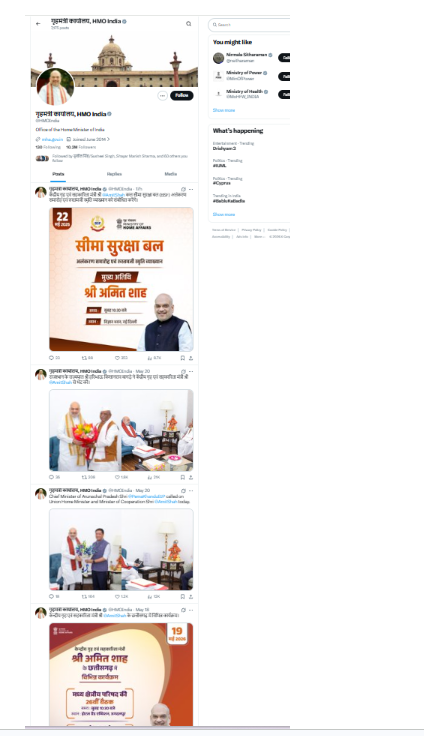
In the final step, we reviewed the official X account of the Ministry of Home Affairs. Even there, no statement or report confirming the viral claim was found. The relevant link is provided below:
- https://x.com/HMOIndia
Conclusion:
Our research confirms that Home Minister Amit Shah has made no such announcement regarding a complete alcohol ban in West Bengal.

Related Blogs

Introduction
The US national cybersecurity strategy was released at the beginning of March this year. The aim of the cybersecurity strategy is to build a more defensive and resilient digital mechanism through general investments in the cybersecurity infrastructure. It is important to invest in a resilient future, And the increasing digital diplomacy and private-sector partnerships, regulation of crucial industries, and holding software companies accountable if their products enable hackers in.
What is the cybersecurity strategy
The US National cybersecurity strategy is the plan which organisations pursue to fight against cyberattacks and cyber threats, and also they plan a risk assessment plan for the future in a resilient way. Through the cybersecurity strategy, there will be appropriate defences against cyber threats.
US National Cybersecurity Strategy-
the national cybersecurity strategy mainly depends on five pillars-
- Critical infrastructure- The national cybersecurity strategy intends to defend important infrastructure from cyberattacks, for example, hospitals and clean energy installations. This pillar mainly focuses on the security and resilience of critical systems and services that are critical.
- Disrupt & Threat Assessment- This strategy pillar seeks to address and eliminate cyber attackers who endanger national security and public safety.
- Shape the market forces in resilient and security has driven-
- Invest in resilient future approaches.
- Forging international partnerships to pursue shared goals.
Need for a National cybersecurity strategy in India –
India is becoming more reliant on technology for day-to-day purposes, communication and banking aspects. And as per the computer emergency response team (CERT-In), in 2022, ransomware attacks increased by 50% in India. Cybercrimes against individuals are also rapidly on the rise. To build a safe cyberspace, India also required a national cybersecurity strategy in the country to develop trust and confidence in IT systems.
Learnings for India-
India has a cybersecurity strategy just now but India can also implement its cybersecurity strategy as the US just released. For the threats assessments and for more resilient future outcomes, there is a need to eliminate cybercrimes and cyber threats in India.
Shortcomings of the US National Cybersecurity Strategy-
- The implementation of the United States National Cybersecurity Strategy has Some problems and things that could be improved in it. Here are some as follows:
- Significant difficulties: The cybersecurity strategy proved to be difficult for government entities. The provided guidelines do not fulfil the complexity and growing cyber threats.
- Insufficient to resolve desirable points: the implementation is not able to resolve some, of the aspects of national cybersecurity strategies, for example, the defined goals and resource allocation, which have been determined to be addressed by the national cybersecurity strategy and implementation plan.
- Lack of Specifying the Objectives: the guidelines shall track the cybersecurity progress, and the implementation shall define the specific objectives.
- Implementation Alone is insufficient: cyber-attacks and cybercrimes are increasing daily, and to meet this danger, the US cybersecurity strategy shall not depend on the implementation. However, the legislation will help to involve public-private collaboration, and technological advancement is required.
- The strategy calls for critical infrastructure owners and software companies to meet minimum security standards and be held liable for flaws in their products, but the implementation and enforcement of these standards and liability measures must be clearly defined.
Conclusion
There is a legitimate need for a national cybersecurity strategy to fight against the future consequences of the cyber pandemic. To plan proper strategies and defences. It is crucial to avail techniques under the cybersecurity strategy. And India is increasingly depending on technology, and cybercrimes are also increasing among individuals. Healthcare sectors and as well on educational sectors, so to resolve these complexities, there is a need for proper implementations.
Executive Summary
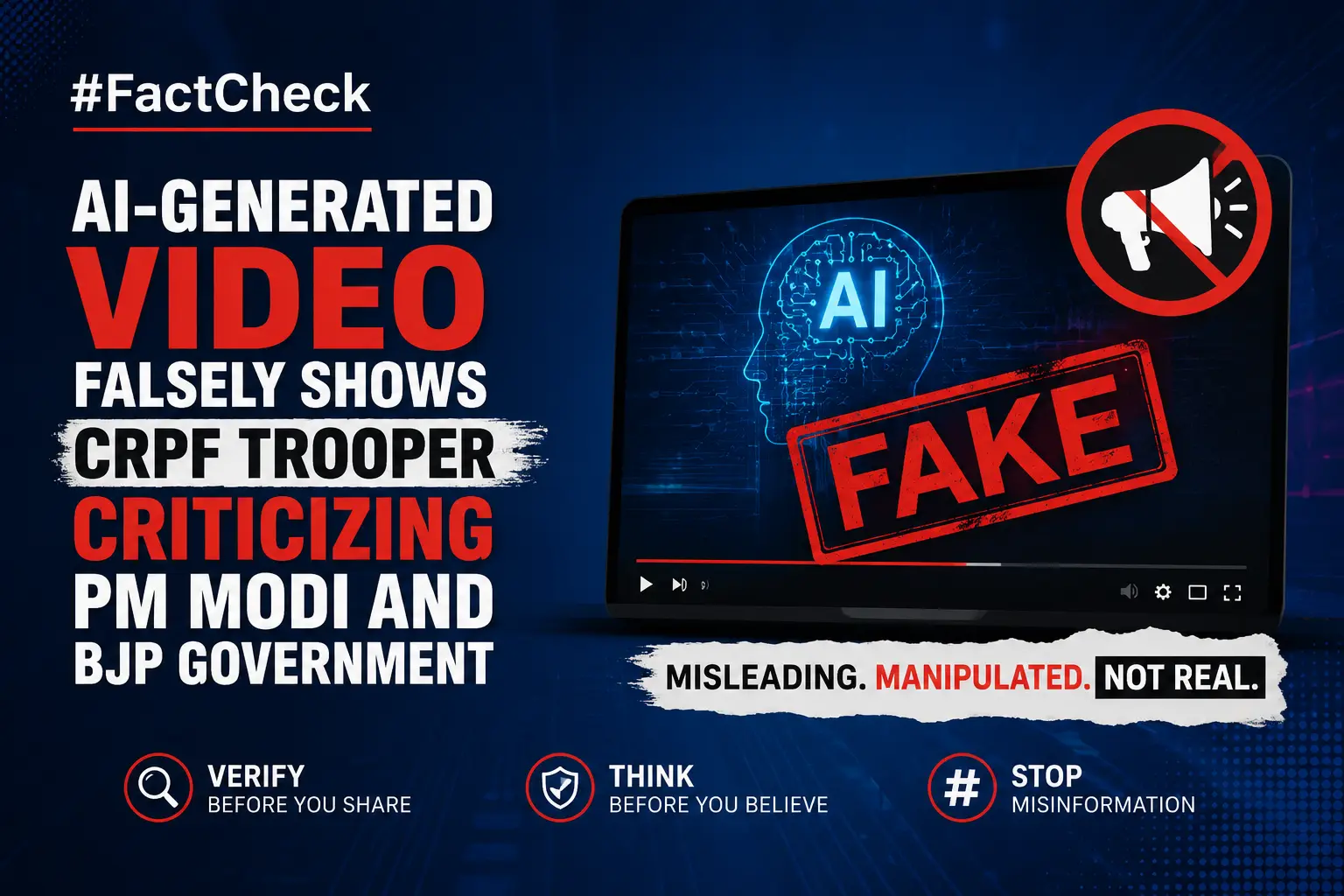
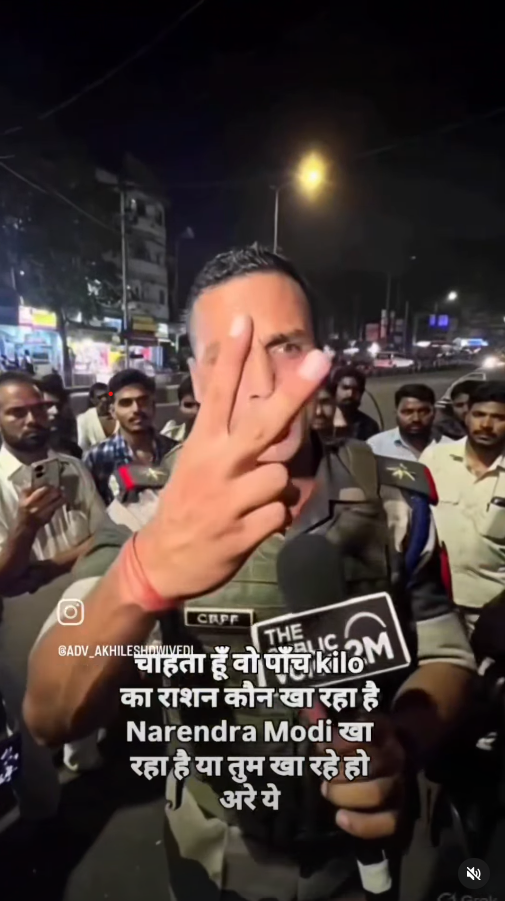
A video is being widely shared on social media showing a purported CRPF trooper accusing Prime Minister Narendra Modi and his government of corruption. In the video, the individual is also seen urging people to vote the BJP government out of power. CyberPeace Research Wing research found that the video was created using artificial intelligence (AI). There is no evidence that any CRPF personnel made such statements.
Claim
An Instagram user shared the viral video, claiming that a CRPF trooper was criticizing Prime Minister Narendra Modi and his government over corruption allegations. The post link, archived link, and screenshot are provided below. https://www.instagram.com/reels/DZ_dbj_SNTf/ , https://www.awesomescreenshot.com/video/53998219?key=46c661b505ba61d19e7d9be97a17c273
FactCheck
A closer examination of the video revealed several inconsistencies. The name tag on the uniform displayed only “CRPF,” which does not match the standard naming format used on official CRPF uniforms. Additionally, several faces visible in the background appeared blurred and distorted, which are common indicators of AI-generated content. We also noticed a visible Grok watermark in the bottom-right corner of the viral clip, suggesting that the video may have been generated or modified using artificial intelligence. Further analysis was conducted using Hive Moderation’s AI detection tool, which indicated the presence of AI-generated or deepfake elements in the video.
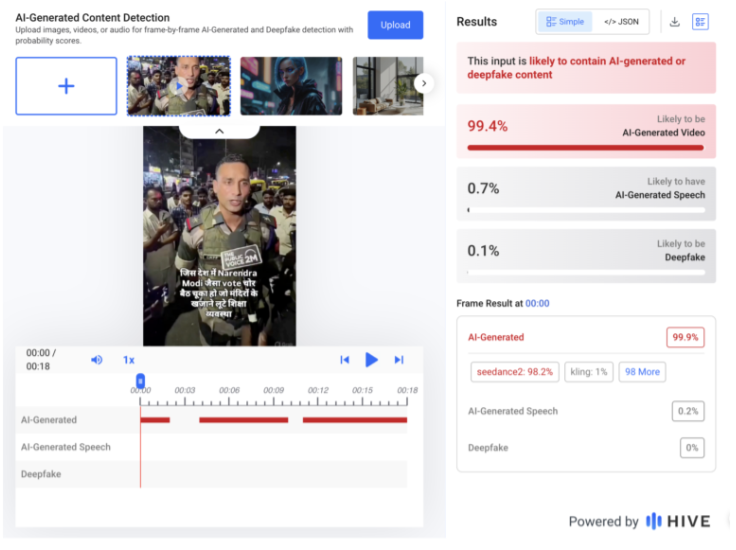
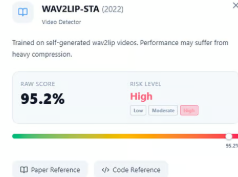
To further verify the authenticity of the clip, we analyzed it using Deepfake-O-Meter. The tool indicated a probability of more than 95 percent that the video was generated using artificial intelligence.
Conclusion
The viral video purportedly showing a CRPF trooper criticizing Prime Minister Narendra Modi and the BJP government is AI-generated. Multiple indicators, AI detection tools, and the clarification issued by the government’s PIB Fact Check confirm that the video is not authentic.
Executive Summary
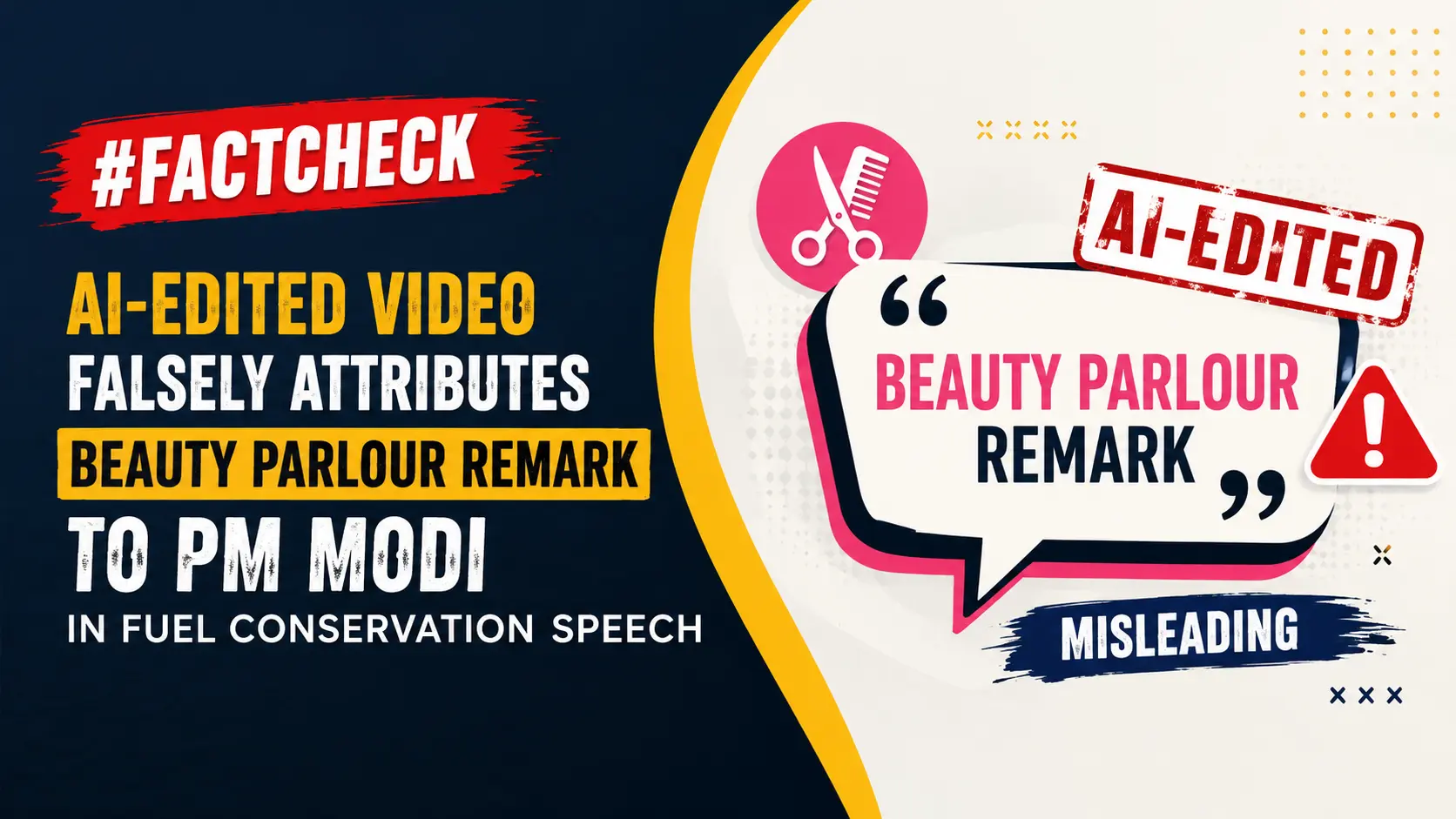
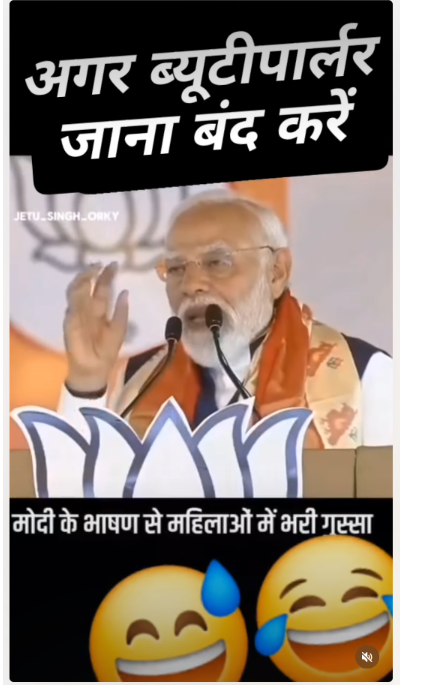
Amid ongoing tensions in West Asia, a video has been circulating on social media claiming that Prime Minister Narendra Modi urged women not to visit beauty parlours as part of an appeal related to fuel conservation. Users are widely sharing the clip as genuine. However, a fact-check by CyberPeace Research Wing has found the claim to be false. The research revealed that the original video, which discussed saving petrol, diesel and cooking gas, has been digitally edited using AI tools and shared with a misleading narrative.
Claim
An Instagram user shared the viral video on May 15, 2026, claiming that the Prime Minister advised women against visiting beauty parlours.
Fact Check
A keyword-based search on Google did not return any credible media reports supporting the viral claim. To verify the video, keyframes were extracted and run through reverse image search. The original footage was traced to the official YouTube channel of Prime Minister Narendra Modi, uploaded on May 10, 2026.
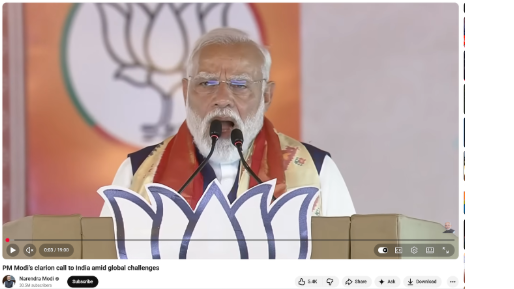
The video shows a rally held in Hyderabad, where the Prime Minister appealed to the public to save fuel by adopting work-from-home practices, promoting swadeshi goods, and refraining from purchasing gold for one year. However, nowhere in the full video is there any mention of advising women not to visit beauty parlours.
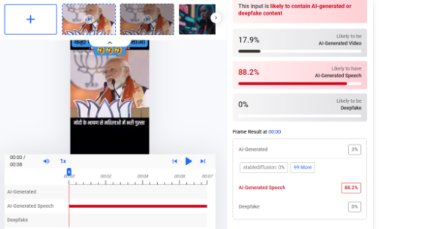
Further analysis also raised suspicion that the viral clip had been digitally altered using AI tools. The video was scanned using the HIVE Moderation AI detection tool, which indicated that it is approximately 88% likely to be AI-generated or manipulated.
Conclusion
The viral video is misleading. The original speech by Prime Minister Narendra Modi about conserving petrol, diesel and cooking gas has been edited using AI tools and circulated with a false claim targeting women visiting beauty parlours.
