
#FactCheck- Old Gulf War Video Misleadingly Linked to Alleged Capture of U.S. Pilot in Iran
Executive Summary
Amid reports that the U.S. military rescued a missing crew member of a fighter jet in Iran, a video is going viral on social media. The clip is being shared with the claim that it shows a U.S. F-15 pilot captured in Iran after his aircraft was shot down. In the video, the detained officer can be heard identifying himself as “Colonel David William Everly.”
However, research by the CyberPeace has found this claim to be misleading. The viral video is real but not recent. It is from the 1991 Gulf War, when U.S. Air Force Colonel David William Everly was captured in Iraq during Operation Desert Storm.
Claim
A social media user “palestinereports786” shared the video with the caption suggesting that a U.S. F-15 fighter jet was shot down over Iran and that one crew member may have been captured.
Fact Check
In the viral video, the officer is heard responding to questions, stating his name as Colonel David William Everly and identifying himself as a U.S. national and an F-15 pilot from the 4th Tactical Fighter Wing. Using these details, we conducted a news search and found several old reports confirming that this incident dates back to the 1991 Gulf War.
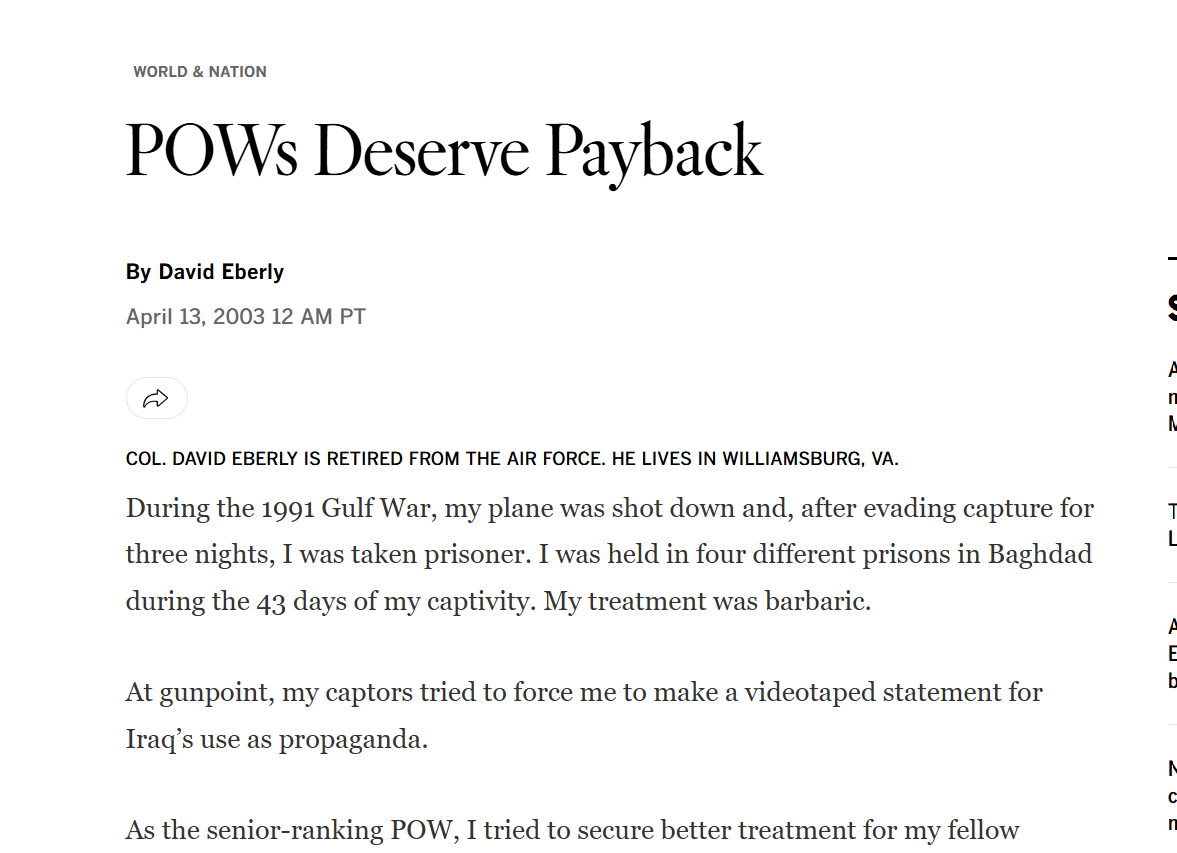
A report by the Los Angeles Times (April 13, 2003) recounts Everly’s experience, stating that his aircraft was shot down during the Gulf War. After evading capture for three nights, he was eventually taken prisoner and held for 43 days in multiple prisons in Baghdad, where he faced harsh treatment.
Additional references to the incident were also found on platforms such as pownetwork.org, nara.getarchive.net, and the National Air and Space Museum’s “Wall of Honor,” all documenting Everly’s captivity and eventual return to the United States. We also found an older interview of Everly, where he narrates the same incident.
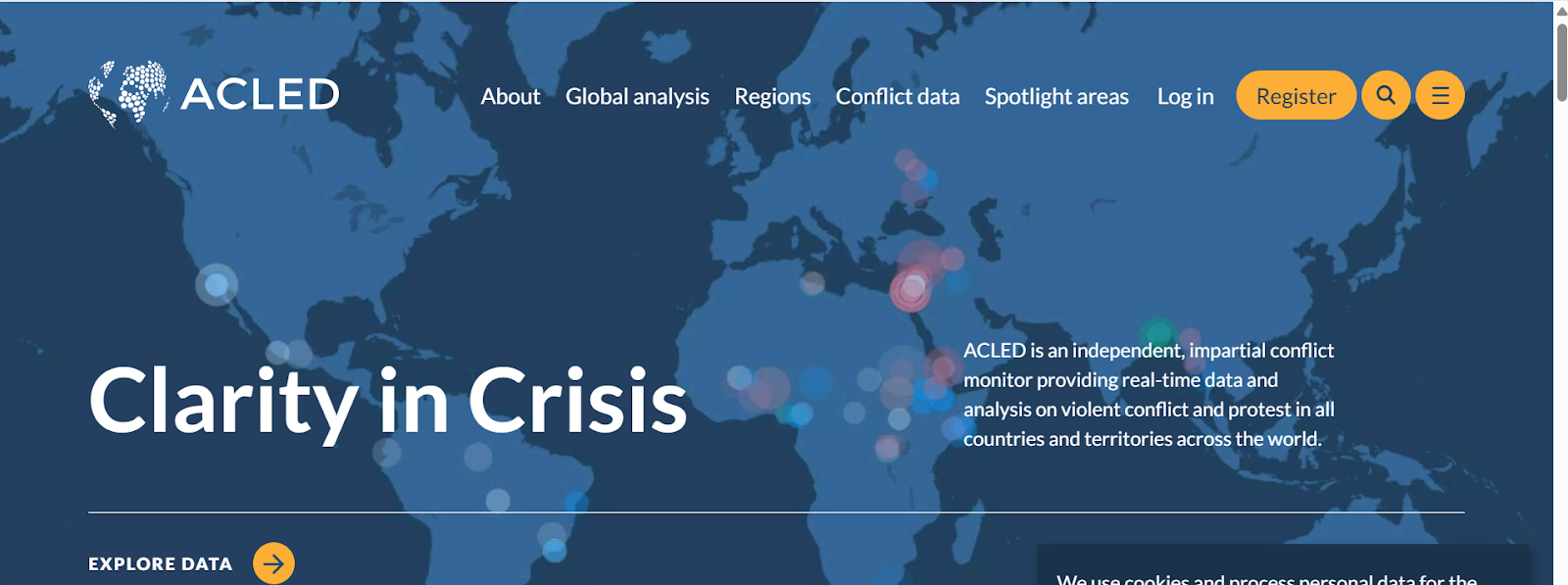
According to data from acleddata.com, military tensions involving the United States, Israel, and Iran escalated after February 28, 2026, when operations against Iran reportedly began and are ongoing. However, reports indicate that the crew members of the recently downed F-15 aircraft were able to eject safely before the crash. Both crew members survived, and at least one has already been rescued by U.S. forces. There is no confirmed evidence that any pilot has been captured in Iran.
Conclusion
The viral video claiming to show a U.S. pilot captured in Iran is misleading. The footage is not related to any recent incident but originates from the 1991 Gulf War, when Colonel David William Everly was captured in Iraq. The old video has been shared with a false narrative to link it to the current geopolitical situation involving Iran. There is no verified evidence supporting claims that a U.S. pilot has been captured in Iran in the recent conflict.

Related Blogs
.webp)
Introduction
Digitalisation presents both opportunities and challenges for micro, small, and medium enterprises (MSMEs) in emerging markets. Digital tools can increase business efficiency and reach but also increase exposure to misinformation, fraud, and cyber attacks. Such cyber threats can lead to financial losses, reputational damage, loss of customer trust, and other challenges hindering MSMEs' ability and desire to participate in the digital economy.
The current information dump is a major component of misinformation. Misinformation spreads or emerges from online sources, causing controversy and confusion in various fields including politics, science, medicine, and business. One obvious adverse effect of misinformation is that MSMEs might lose trust in the digital market. Misinformation can even result in the devaluation of a product, sow mistrust among customers, and negatively impact the companies’ revenue. The reach of and speed with which misinformation can spread and ruin companies’ brands, as well as the overall difficulty businesses face in seeking recourse, may discourage MSMEs from fully embracing the digital ecosystem.
MSMEs are essential for innovation, job development, and economic growth. They contribute considerably to the GDP and account for a sizable share of enterprises. They serve as engines of economic resilience in many nations, including India. Hence, a developing economy’s prosperity and sustainability depend on the MSMEs' growth and such digital threats might hinder this process of growth.
There are widespread incidents of misinformation on social media, and these affect brand and product promotion. MSMEs also rely on online platforms for business activities, and threats such as misinformation and other digital risks can result in reputational damage and financial losses. A company's reputation being tarnished due to inaccurate information or a product or service being incorrectly represented are just some examples and these incidents can cause MSMSs to lose clients and revenue.
In the digital era, MSMEs need to be vigilant against false information in order to preserve their brand name, clientele, and financial standing. In the interconnected world of today, these organisations must develop digital literacy and resistance against misinformation in order to succeed in the long run. Information resilience is crucial for protecting and preserving their reputation in the online market.
The Impact of Misinformation on MSMEs
Misinformation can have serious financial repercussions, such as lost sales, higher expenses, legal fees, harm to the company's reputation, diminished consumer trust, bad press, and a long-lasting unfavourable impact on image. A company's products may lose value as a result of rumours, which might affect both sales and client loyalty.
Inaccurate information can also result in operational mistakes, which can interrupt regular corporate operations and cost the enterprise a lot of money. When inaccurate information on a product's safety causes demand to decline and stockpiling problems to rise, supply chain disruptions may occur. Misinformation can also lead to operational and reputational issues, which can cause psychological stress and anxiety at work. The peace of the workplace and general productivity may suffer as a result. For MSMEs, false information has serious repercussions that impact their capacity to operate profitably, retain employees, and maintain a sustainable business. Companies need to make investments in cybersecurity defence, legal costs, and restoring consumer confidence and brand image in order to lessen the effects of false information and ensure smooth operations.
When we refer to the financial implications caused by misinformation spread in the market, be it about the product or the enterprise, the cost is two-fold in all scenarios: there is loss of revenue and then the organisation has to contend with the costs of countering the impact of the misinformation. Stock Price Volatility is one financial consequence for publicly-traded MSMEs, as misinformation can cause stock price fluctuations. Potential investors might be discouraged due to false negative information.
Further, the reputational damage consequences of misinformation on MSMEs is also a serious concern as a loss of their reputation can have long-term damages for a carefully-cultivated brand image.
There are also operational disruptions caused by misinformation: for instance, false product recalls can take place and supplier mistrust or false claims about supplier reliability can disrupt procurement leading to disruptions in the operations of MSMEs.
Misinformation can negatively impact employee morale and productivity due to its physiological effects. This leads to psychological stress and workplace tensions. Staff confidence is also affected due to the misinformation about the brand. Internal operational stability is a core component of any organisation’s success.
Misinformation: Key Risk Areas for MSMEs
- Product and Service Misinformation
For MSMEs, misinformation about products and services poses a serious danger since it undermines their credibility and the confidence clients place in the enterprise and its products or services. Because this misleading material might mix in with everyday activities and newsfeeds, viewers may find it challenging to identify fraudulent content. For example, falsehoods and rumours about a company or its goods may travel quickly through social media, impacting the confidence and attitude of customers. Algorithms that favour sensational material have the potential to magnify disinformation, resulting in the broad distribution of erroneous information that can harm a company's brand.
- False Customer Reviews and Testimonials
False testimonies and evaluations pose a serious risk to MSMEs. These might be abused to damage a company's brand or lead to unfair competition. False testimonials, for instance, might mislead prospective customers about the calibre or quality of a company’s offerings, while phony reviews can cause consumers to mistrust a company's goods or services. These actions frequently form a part of larger plans by rival companies or bad individuals to weaken a company's position in the market.
- Misleading Information about Business Practices
False statements or distortions regarding a company's operations constitute misleading information about business practices. This might involve dishonest marketing, fabrications regarding the efficacy or legitimacy of goods, and inaccurate claims on a company's compliance with laws or moral principles. Such incorrect information can result in a decline in consumer confidence, harm to one's reputation, and even legal issues if consumers or rival businesses act upon it. Even before the truth is confirmed, for example, allegations of wrongdoing or criminal activity pertaining can inflict a great deal of harm, even if they are disproven later.
- Fake News Related to Industry and Market Conditions
By skewing consumer views and company actions, fake news about market and industry circumstances can have a significant effect on MSMEs. For instance, false information about market trends, regulations, or economic situations might make consumers lose faith in particular industries or force corporations to make poor strategic decisions. The rapid dissemination of misinformation on online platforms intensifies its effects on enterprises that significantly depend on digital engagement for their operations.
Factors Contributing to the Vulnerability of MSMEs
- Limited Resources for Verification
MSMEs have a small resource pool. Information verification is typically not a top priority for most. MSMEs usually lack the resources needed to verify the information and given their limited resources, they usually tend to deploy the same towards other, more seemingly-critical functions. They are more susceptible to misleading information because they lack the capacity to do thorough fact-checking or validate the authenticity of digital content. Technology tools, human capital, and financial resources are all in low supply but they are essential requirements for effective verification processes.
- Inadequate Digital Literacy
Digital literacy is required for effective day-to-day operations. Fake reviews, rumours, or fake images commonly used by malicious actors can result in increased scrutiny or backlash against the targeted business. The lack of awareness combined with limited resources usually spells out a pale redressal plan on part of the affected MSME. Due to their low digital literacy in this domain, a large number of MSMEs are more susceptible to false information and other online threats. Inadequate knowledge and abilities to use digital platforms securely and effectively can result in making bad decisions and raising one's vulnerability to fraud, deception, and online scams.
- Lack of Crisis Management Plans
MSMEs frequently function without clear-cut procedures for handling crises. They lack the strategic preparation necessary to deal with the fallout from disinformation and cyberattacks. Proactive crisis management plans usually incorporate procedures for detecting, addressing, and lessening the impact of digital harms, which are frequently absent from MSMEs.
- High Dependence on Social Media and Online Platforms
The marketing strategy for most MSMEs is heavily reliant on social media and online platforms. While the digital-first nature of operations reduces the need for a large capital to set up in the form of stores or outlets, it also gives them a higher need to stay relevant to the trends of the online community and make their products attractive to the customer base. However, MSMEs are depending more and more on social media and other online channels for marketing, customer interaction, and company operations. These platforms are really beneficial, but they also put organisations at a higher risk of false information and online fraud. Heavy reliance on these platforms coupled with the absence of proper security measures and awareness can result in serious interruptions to operations and monetary losses.
CyberPeace Policy Recommendations to Enhance Information Resilience for MSMEs
CyberPeace advocates for establishing stronger legal frameworks to protect MSMEs from misinformation. Governments should establish regulations to build trust in online business activities and mitigate fraud and misinformation risks. Mandatory training programs should be implemented to cover online safety and misinformation awareness for MSME businesses. Enhanced reporting mechanisms should be developed to address digital harm incidents promptly. Governments should establish strict penalties for deliberate inaccurate misinformation spreaders, similar to those for copyright or intellectual property violations. Community-based approaches should be encouraged to help MSMEs navigate digital challenges effectively. Donor communities and development agencies should invest in digital literacy and cybersecurity training for MSMEs, focusing on misinformation mitigation and safe online practices. Platform accountability should be increased, with social media and online platforms playing a more active role in removing content from known scam networks and responding to fraudulent activity reports. There should be investment in comprehensive digital literacy solutions for MSMEs that incorporate cyber hygiene and discernment skills to combat misinformation.
Conclusion
Misinformation poses a serious risk to MSME’s digital resilience, operational effectiveness, and financial stability. MSMEs are susceptible to false information because of limited technical resources, lack of crisis management strategies, and insufficient digital literacy. They are also more vulnerable to false information and online fraud because of their heavy reliance on social media and other online platforms. To address these challenges it is significant to strengthen their cyber hygiene and information resilience. Robust policy and regulatory frameworks are encouraged, promoting and mandating online safety training programmes, and improved reporting procedures, are required to overall enhance the information landscape.
References:
- https://www.dai.com/uploads/digital-downsides.pdf
- https://www.indiacode.nic.in/bitstream/123456789/2013/3/A2006-27.pdf
- https://pib.gov.in/PressReleaseIframePage.aspx?PRID=1946375
- https://dai-global-digital.com/digital-downsides-the-economic-impact-of-misinformation-and-other-digital-harms-on-msmes-in-kenya-india-and-cambodia.html
- https://www.dai.com/uploads/digital-downsides.pdf

Overview:
It is worth stating that millions of Windows users around the world are facing the Blue Screen of Death (BSOD) problem that makes systems shutdown or restart. This has been attributed to a CrowdStrike update that was released recently and has impacted many organizations, financial institutions, and government agencies across the globe. Indian airlines have also reported disruptions on X (formerly Twitter), informing passengers about the issue.
Understanding Blue Screen of Death:
Blue Screen errors, also known as black screen errors or STOP code errors, can occur due to critical issues forcing Windows to shut down or restart. You may encounter messages like "Windows has been shut down to prevent damage to your computer." These errors can be caused by hardware or software problems.
Impact on Industries
Some of the large U. S. airlines such as American Airlines, Delta Airlines, and United Airlines had to issue ground stops because of communication problems. Also, several airports on Friday suffered a massive technical issue in check-in kiosks for IndiGo, Akasa Air, SpiceJet, and Air India Express.
The Widespread Issue
The issue seems widespread and is causing disruption across the board as Windows PCs are deployed at workplaces and other public entities like airlines, banks, and even media companies. It has been pointed out that Windows PCs use a special cybersecurity solution from a company called CrowdStrike that seems to be the culprit for this outage, affecting most Windows PC users out there.
Microsoft's Response
The issue was acknowledged by Microsoft and the mitigations are underway. The company in its verified X handle Microsoft 365 status has shared a series information on the latest outage and they are looking into the matter. The issue is under investigation.
In one of the posts from Microsoft Azure, it is mentioned that they have become aware of an issue affecting Virtual Machines (VMs) running Windows Client and Windows Server with the CrowdStrike Falcon agent installed. These VMs may encounter a bug check (BSOD) and become stuck in a restarting state. Their analysis indicates that this issue started approximately at 19:00 UTC on July 18th. They have provided recommendations as follows:
Restore from Backup: In case customers have available backups prior to 19:00 UTC on July 18th, they should recover VM data from the backups. If the customer is using Azure Backup, they can get exact steps on how to restore VM data in the Azure portal. here.
Offline OS Disk Repair: Alternatively, customers can attempt offline repair of the OS disk by attaching an unmanaged disk to the affected VM. Encrypted disks may require additional steps to unlock before repair. Once attached, delete the following file:
Windows/System/System32/Drivers/CrowdStrike/C00000291*.sys
After deletion, reattach the disk to the original VM.
Microsoft Azure is actively investigating additional mitigation options for affected customers. We will provide updates as we gather more information.
Resolving Blue Screen Errors in Windows
Windows 11 & Windows 10:
Blue Screen errors can stem from both hardware and software issues. If new hardware was added before the error, try removing it and restarting your PC. If restarting is difficult, start your PC in Safe Mode.
To Start in Safe Mode:
From Settings:
Open Settings > Update & Security > Recovery.
Under "Advanced startup," select Restart now.
After your PC restarts to the Choose an option screen, select Troubleshoot > Advanced options > Startup Settings > Restart.
After your PC restarts, you'll see a list of options. Select 4 or press F4 to start in Safe Mode. If you need to use the internet, select 5 or press F5 for Safe Mode with Networking.
From the Sign-in Screen:
Restart your PC. When you get to the sign-in screen, hold the Shift key down while you select Power > Restart.
After your PC restarts, follow the steps above.
From a Black or Blank Screen:
Press the power button to turn off your device, then turn it back on. Repeat this two more times.
After the third time, your device will start in the Windows Recovery Environment (WinRE).
From the Choose an option screen, follow the steps to enter Safe Mode.
Additional Help:
Windows Update: Ensure your system has the latest patches.
Blue Screen Troubleshooter: In Windows, open Get Help, type Troubleshoot BSOD error, and follow the guided walkthrough.
Online Troubleshooting: Visit Microsoft's support page and follow the recommendations under "Recommended Help."
If none of those steps help to resolve your Blue Screen error, please try the Blue Screen Troubleshooter in the Get Help app:
- In Windows, open Get Help.
- In the Get Help app, type Troubleshoot BSOD error.
- Follow the guided walkthrough in the Get Help app.
[Note: If you're not on a Windows device, you can run the Blue Screen Troubleshooter on your browser by going to Contact Microsoft Support and typing Troubleshoot BSOD error. Then follow the guided walkthrough under "Recommended Help."]
For detailed steps and further assistance, please refer to the Microsoft support portal or contact their support team.
CrowdStrike’s Response:
In the statement given by CrowdStrike, they have clearly mentioned it is not any cyberattack and their resources are working to fix the issue on Windows. Further, they have identified the deployment issue and fixed the same. Crowdstrike mentions about their problematic versions as follows:
- “Channel file "C-00000291*.sys" with timestamp of 0527 UTC or later is the reverted (good) version.
- Channel file "C-00000291*.sys" with timestamp of 0409 UTC is the problematic version.
Note: It is normal for multiple "C-00000291*.sys files to be present in the CrowdStrike directory - as long as one of the files in the folder has a timestamp of 0527 UTC or later, that will be the active content.”
The CrowdStrike will be providing latest updates on the same and advises their customers and organizations to contact their officials officially to get latest updates and accurate information. It is encouraged to refer to customer’s support portal for further help.
Stay safe and ensure regular backups to mitigate the impact of such issues.
References:
https://status.cloud.microsoft/
https://www.crowdstrike.com/blog/statement-on-falcon-content-update-for-windows-hosts/

Introduction
In today's digital age, we consume a lot of information and content on social media apps, and it has become a daily part of our lives. Additionally, the algorithm of these apps is such that once you like a particular category of content or show interest in it, the algorithm starts showing you a lot of similar content. With this, the hype around becoming a content creator has also increased, and people have started making short reel videos and sharing a lot of information. There are influencers in every field, whether it's lifestyle, fitness, education, entertainment, vlogging, and now even legal advice.
The online content, reels, and viral videos by social media influencers giving legal advice can have far-reaching consequences. ‘LAW’ is a vast subject where even a single punctuation mark holds significant meaning. If it is misinterpreted or only partially explained in social media reels and short videos, it can lead to serious consequences. Laws apply based on the facts and circumstances of each case, and they can differ depending on the nature of the case or offence. This trend of ‘swipe for legal advice’ or ‘law in 30 seconds’, along with the rise of the increasing number of legal influencers, poses a serious problem in the online information landscape. It raises questions about the credibility and accuracy of such legal advice, as misinformation can mislead the masses, fuel legal confusion, and create risks.
Bar Council of India’s stance against legal misinformation on social media platforms
The Bar Council of India (BCI) on Monday (March 17, 2025) expressed concern over the rise of self-styled legal influencers on social media, stating that many without proper credentials spread misinformation on critical legal issues. Additionally, “Incorrect or misleading interpretations of landmark judgments like the Citizenship Amendment Act (CAA), the Right to Privacy ruling in Justice K.S. Puttaswamy (Retd.) v. Union of India, and GST regulations have resulted in widespread confusion, misguided legal decisions, and undue judicial burden,” the body said. The BCI also ordered the mandatory cessation of misleading and unauthorised legal advice dissemination by non-enrolled individuals and called for the establishment of stringent vetting mechanisms for legal content on digital platforms. The BCI emphasised the need for swift removal of misleading legal information.
Conclusion
Legal misinformation on social media is a growing issue that not only disrupts public perception but also influences real-life decisions. The internet is turning complex legal discourse into a chaotic game of whispers, with influencers sometimes misquoting laws and self-proclaimed "legal experts" offering advice that wouldn't survive in a courtroom. The solution is not censorship, but counterbalance. Verified legal voices need to step up, fact-checking must be relentless, and digital literacy must evolve to keep up with the fast-moving world of misinformation. Otherwise, "legal truth" could be determined by whoever has the best engagement rate, rather than by legislation or precedent.
References:
