
#FactCheck: Old Video of Israeli Basketball Player Yam Madar Falsely Linked to Flydubai Flight Accident
Executive Summary
A video showing people dancing inside an aircraft with a speaker playing music is being shared on social media with the claim that they were celebrating after surviving an accident involving a flydubai flight travelling from Dubai to Tel Aviv. However, CyberPeace Research found that the video was actually shared by an Israeli sports media outlet in August 2025, and shows Israeli basketball player Yam Madar playing music through a speaker inside a flight.
Claim
A video is going viral on social media showing a person playing music through a speaker inside an aircraft, while other passengers can be seen dancing to the song being played.
https://x.com/NirmalJ8881922/status/2105542863278973186

Fact Check:
We began our research into the viral video using the InVID tool and extracted several keyframes from it. During this process, we found the same video on the Instagram account of Israeli sports media channel Sports 5, where it was uploaded on August 18, 2025. The video was accompanied by a caption in Hebrew, which translates into Hindi as: “Don’t take a sleeping pill: This is what it’s like to be on a flight with Yam Madar.”
https://www.instagram.com/reels/DNgQrgLsW11/

During our research, we also found an interview with another player from the Israeli basketball team, Khadeen Carrington, uploaded on Sports 5’s YouTube channel on August 26, 2025. During the interview, when Carrington was asked about his relationship with the other members of the team, he referred to the aforementioned video featuring Yam Madar.
https://www.youtube.com/watch?v=k_0AzSWlvJw

Conclusion
The evidence gathered during our research makes it clear that the video being linked to the flydubai flight accident is old. The person seen in the video is Yam Madar, a member of the Israeli basketball team.

Related Blogs

2025 is knocking firmly at our door and we have promises to make and resolutions to keep. Time you make your list for the New Year and check it twice.
- Lifestyle targets 🡪 Check
- Family targets 🡪 Check
- Social targets 🡪 Check
Umm, so far so good, but what about your cybersecurity targets for the year? Hey, you look confused and concerned. Wait a minute, you do not have one, do you?
I get it. Though the digital world still puzzles, and sometimes outright scares us, we still are not in the ‘Take-Charge-Of-Your-Digital-Safety Mode. We prefer to depend on whatever software security we are using and keep our fingers crossed that the bad guys (read threat actors) do not find us.
Let me illustrate why cybersecurity should be one of your top priorities. You know that stress is a major threat to our continued good health, right? However, if your devices, social media accounts, office e-mail or network, or God forbid, bank accounts become compromised, would that not cause stress? Think about it and the probable repercussions and you will comprehend why I am harping on prioritising security.
Fret not. We will keep it brief as we well know you have 101 things to do in the next few days leading up to 01/01/2025. Just add cyber health to the list and put in motion the following:
- Install and activate comprehensive security software on ALL internet-enabled devices you have at home. Yes, including your smartphones.
- Set yourself a date to change and create separate unique passwords for all accounts. Or use the password manager that comes with all reputed security software to make life simpler.
- Keep home Wi-Fi turned off at night
- Do not set social media accounts to auto-download photos/documents
- Activate parental controls on all the devices used by your children to monitor and mentor them. But keep them apprised.
- Do not blindly trust anyone or anything online – this includes videos, speeches, emails, voice calls, and video calls. Be aware of fakes.
- Be aware of the latest threats and talk about unsafe cyber practices and behaviour often at home.
Short and sweet, as promised.
We will be back, with more tips, and answers to your queries. Drop us a line anytime, and we will be happy to resolve your doubts.
Ciao!

Introduction
The insurance industry is a target for cybercriminals due to the sensitive nature of the information it holds. This makes it essential for insurance companies to have robust cybersecurity measures to protect their data and customers’ personal information.
Cyber fraud in India’s insurance industry is increasing. It is reported that the Indian insurance sector has witnessed a surge in cyber-attacks, with several instances of data breaches, identity thefts, and financial fraud being reported. These cybercrimes not only pose a significant threat to the financial stability of the insurance industry but also to the privacy and security of policyholders.
Cyber Frauds in the Insurance Industry
The insurance industry in India has been the target of increasing cyber fraud in recent years. With the growing digital transformation trend, insurance companies have become increasingly vulnerable to cyber-attacks. Cyber frauds in the insurance industry are initiated by hackers who use various techniques such as phishing, malware, ransomware, and social engineering to gain unauthorised access to policyholders’ personal data and sensitive information
Kinds of cyber frauds in the insurance industry
It is essential for insurers and policyholders alike to be aware of these kinds of cyber-attacks on insurance companies in today’s digital age. Staying educated about these threats can help prevent them from happening in the future.
Identity theft– One common type of cyber fraud that occurs in the insurance industry is identity theft. In this type of fraud, criminals steal personal information such as name, address, date of birth and social security numbers through phishing emails or fraudulent websites. They then use this information to open fraudulent policies or access existing ones.
Payment fraud- Another type of cyber fraud that is on the rise is payment fraud. In this type of fraud, hackers intercept electronic payments made by policyholders or agents using fake bank accounts or compromised payment gateways. The money is then siphoned into untraceable accounts, making it difficult for law enforcement agencies to identify and arrest the perpetrators.
Phishing attacks- Where the fraudsters posed as company officials and sent emails to policyholders requesting their account details. The unsuspecting customers fell for this scam and shared their sensitive information, which was then used to access their accounts and steal funds.
Hacking- Where hackers breach the company’s system to gain access to policyholder data. The hackers’ stoles personal records, including names, addresses, phone numbers, social security numbers, and financial information, which they later sell on the dark web.
Fake policies scam- Fraudsters create fake policies using stolen identities and collect premiums from innocent customers. The insurer then voided these policies due to fraudulent activity leaving those people without valid coverage when they needed it most. The victims suffer significant financial losses due to this scam.
Fake Insurance Websites- Discuss the creation of deceptive websites that imitate well-known insurance companies, where unsuspecting individuals provide their personal details, leading to identity theft or financial losses.
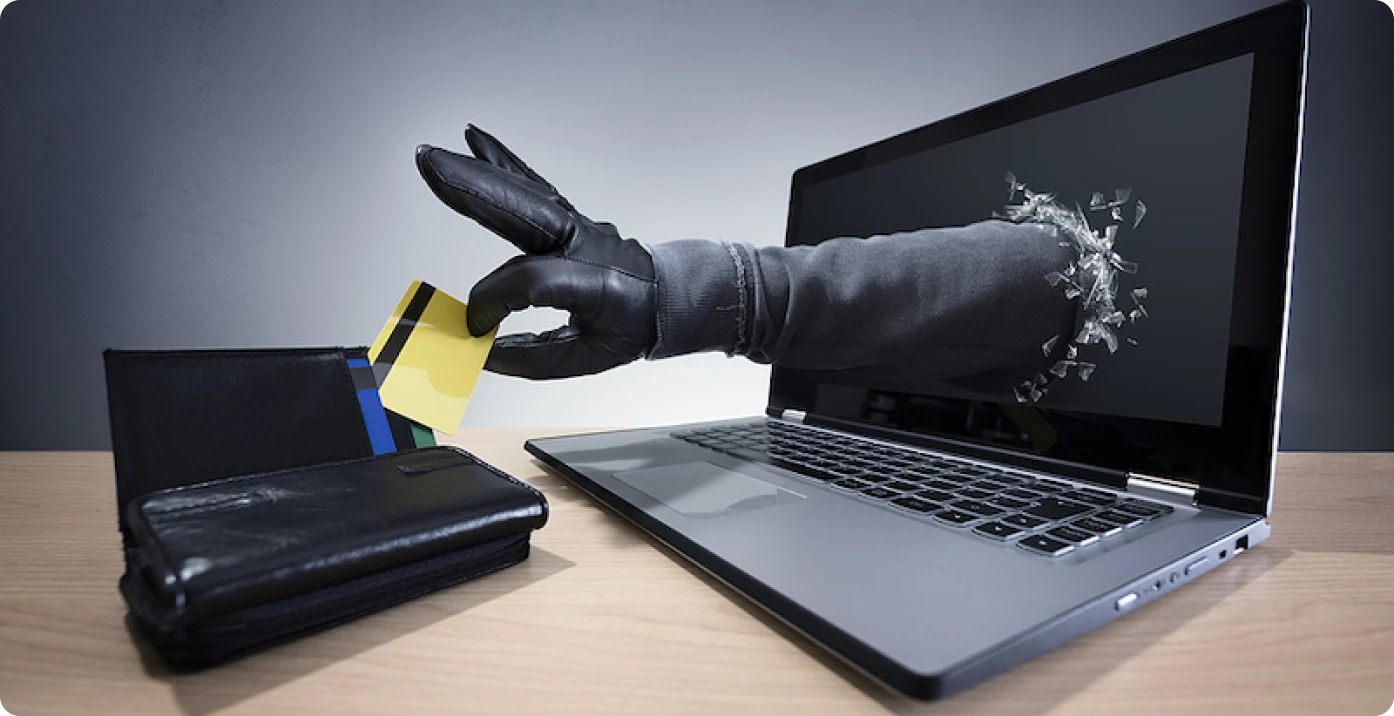
Prevention of Cyber Frauds in the Insurance Industry- Best practices to follow
Prevention is better than cure, which also holds true in the case of cyber fraud in the insurance industry. The industry must take proactive steps to prevent such frauds from occurring in the first place. One of the most effective ways to do so is by investing in cybersecurity measures that are specifically designed for the insurance sector.
Insurance companies must conduct regular employee training programs on cybersecurity best practices. This includes educating employees on how to identify and avoid phishing emails, create strong passwords, and recognise potential cyber threats. Companies should also establish a reporting mechanism for employees to report suspicious activity or incidents immediately.
Having proper access controls in place is also necessary. This means limiting access to sensitive data only to those employees who need it, implementing two-factor authentication, and regularly monitoring user activity logs. Regular audits can also provide an extra layer of protection against potential threats by identifying vulnerabilities that may have been overlooked during routine security checks.
Another essential step is encrypting all data transmitted between different systems and devices. Encryption scrambles data into unreadable codes that can only be deciphered using a decryption key, making it difficult for hackers to intercept or steal information in transit.
Legal Framework for Cyber Frauds in the Insurance Industry
The legal framework for cyber fraud in the insurance industry is critical to preventing such crimes. The Insurance Regulatory and Development Authority of India (IRDAI) has issued guidelines for insurers to establish a cybersecurity framework. The guidelines require insurers to conduct regular risk assessments, implement security measures, and ensure compliance with data privacy laws.
The Information Technology Act 2000, is another significant piece of legislation dealing with cyber fraud in India. The act defines offences such as unauthorised access to a computer system, hacking, and tampering with data. It also provides for stringent penalties and imprisonment for those found guilty of such offences.
The IRDAI’s guidelines provide insurers with a roadmap to establish robust cybersecurity measures to help prevent cyber fraud in the insurance industry. Stringent implementation of these guidelines will go a long way in safeguarding sensitive customer information from falling into the wrong hands.
Best Practices for Insurers and Policyholders
Insurers:
Implementing Strong Authentication: Encouraging the use of multi-factor authentication and secure login processes to safeguard customer accounts and prevent unauthorised access.
Regular Employee Training: Conduct cybersecurity awareness programs to educate employees about the latest threats and preventive measures.
Investing in Advanced Technologies: Utilizing robust cybersecurity tools and systems to promptly detect and mitigate potential cyber threats.
Policyholders:
Vigilance and Awareness: Policyholders must stay vigilant while sharing personal information online and verify the authenticity of insurance websites and communication channels.
Regular Updates and Patches: Advising individuals to keep their devices and software up to date to minimise vulnerabilities that cybercriminals can exploit.
Secure Online Practices: Encouraging the use of strong and unique passwords, avoiding sharing sensitive information on unsecured networks, and exercising caution when clicking on suspicious links or attachments.

Conclusion
As the Indian insurance industry embraces digitisation, the risk of cyber scams and data breaches becomes a significant concern. Insurers and policyholders must collaborate to ensure robust cybersecurity measures are in place to protect sensitive information and financial interests.
It is essential for insurance companies to invest in robust cybersecurity measures that can detect and prevent fraud attempts. Additionally, educating employees on the dangers of cyber fraud and implementing strict compliance measures can go a long way in mitigating risks. With these efforts, the insurance industry can continue to provide trustworthy and reliable services to its customers while protecting against cyber threats. As technology continues to evolve, it is imperative that the insurance industry adapts accordingly and remains vigilant against emerging threats.

Executive Summary
Following the recent meeting between US President Donald Trump and Chinese President Xi Jinping, two images began circulating widely on social media. One image showed Trump shaking hands with Xi, while another purportedly showed former US President Joe Biden turning his back on the Chinese leader during a previous meeting. The viral posts claimed that Trump showed respect to Xi Jinping, whereas Biden had allegedly insulted him. However, an research found that the image involving Biden was digitally altered and that no such moment appeared in authentic video footage. At the same time, another image showing Trump bowing before Xi Jinping also went viral across multiple social media platforms. This image, too, was found to be manipulated and misleading. Research by the CyberPeace Research Wing confirmed that both viral visuals had been doctored and were being shared with false claims.
Claim
The viral post juxtaposes two images. The first photograph, dated May 14, shows Donald Trump and Xi Jinping shaking hands at the beginning of a landmark summit in Beijing. The second image allegedly depicts Joe Biden turning away from Xi during their 2023 meeting near San Francisco.
- https://web.archive.org/web/20260519173701/https://truthsocial.com/@realDonaldTrump/116585350109647241/embed
- https://truthsocial.com/@realDonaldTrump/116585350109647241/embed

Fact Check
The side-by-side comparison surfaced amid years of criticism by Donald Trump targeting Joe Biden’s age and mental fitness. Trump shared the image after his China visit, which included high-level discussions on trade and the Middle East conflict, along with a temple tour and tea meeting with Xi Jinping. Meanwhile, another manipulated image spread rapidly online, falsely portraying Trump bowing while greeting Xi Jinping. The image circulated widely in several languages, accompanied by captions attacking Trump

However, a review of the The White House livestream on YouTube showed that Joe Biden greeted Xi Jinping immediately after he stepped out of his vehicle and shook hands with him before both leaders walked inside together. At no point in the footage did Biden turn his back or look away from Xi.

Further examination also revealed inconsistencies in the manipulated Trump image. A subtle crease visible near the side pocket of Trump’s suit jacket in authentic footage was missing in the viral version, indicating that the image had been digitally edited.
Conclusion
The research found that both viral images were digitally manipulated and shared with misleading narratives. Neither Joe Biden ignored Xi Jinping during their 2023 meeting, nor did authentic footage show Donald Trump bowing before the Chinese president.
