
#FactCheck-9/11 Footage Falsely Shared as Iran’s Attack on Israel
Executive Summary
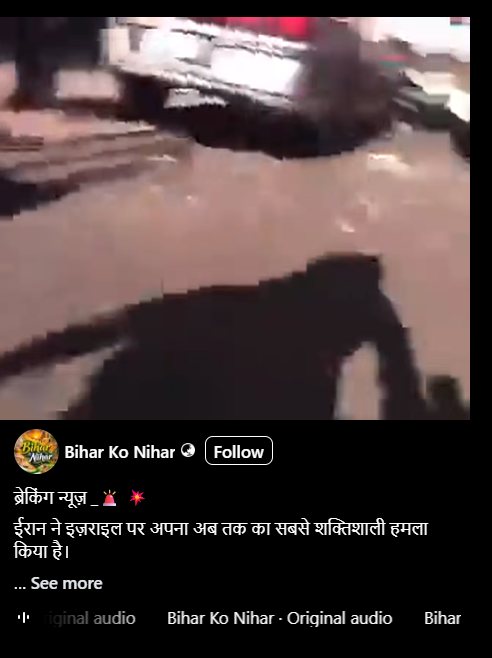
A video showing people running amid smoke and chaos during an attack is being widely shared on social media with the claim that it depicts an Iranian strike on Israel. The clip, around 29 seconds long, shows thick black smoke rising as people flee the scene, with voices heard calling for help. However, research by the CyberPeace found that the claim is misleading. The video is actually from the September 2001 attacks on the World Trade Center in the United States.
Claim:
The video has been shared on Facebook with a caption claiming, “Iran has launched its most powerful attack on Israel. Thousands of soldiers have reportedly been killed. Massive protests have erupted within the country, and Israel appears completely helpless.”
Fact Check:
To verify the claim, we conducted a reverse image search using keyframes from the viral video. This led us to a longer version of the same footage uploaded on YouTube on September 11, 2016.
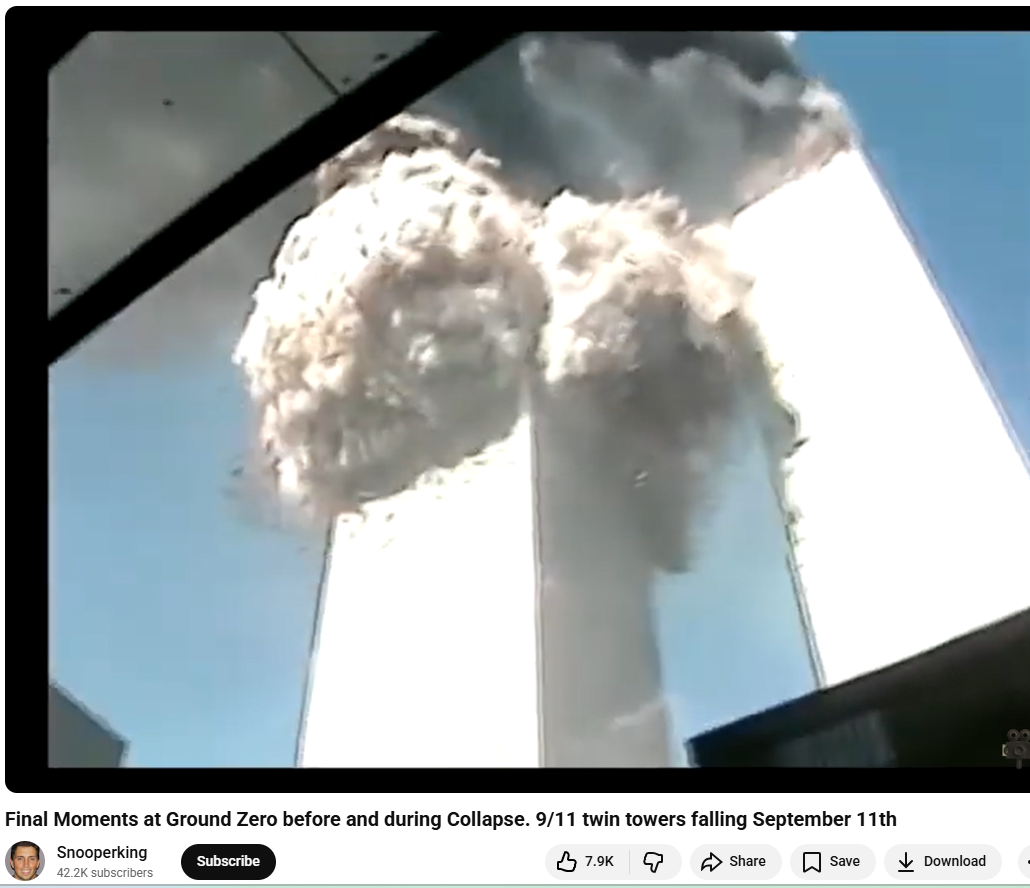
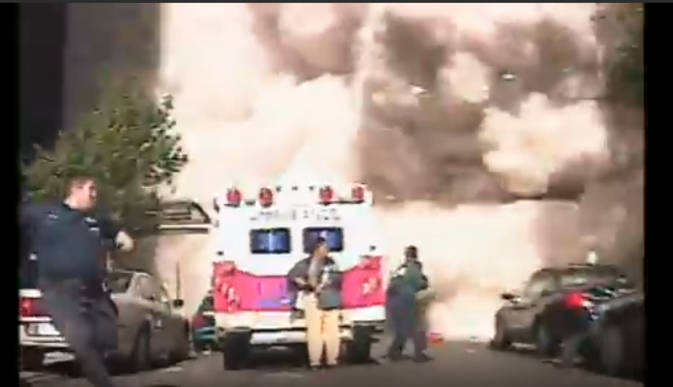
The relevant portion appears around the 2-minute 9-second mark. The video description identifies the footage as part of the September 2001 attacks on the World Trade Center in New York. Further, we found the same video in an archive folder on a website associated with the US Department of Commerce, which contains multiple images and videos related to the 9/11 attacks. This further confirms the origin of the footage.
Conclusion:
The viral claim is false. The video does not show an Iranian attack on Israel. It is from September 2001 and depicts the aftermath of the World Trade Center attacks in New York, USA.

Related Blogs

As e-commerce companies expand their base and sell a wide range of products on their platforms, attackers continue to look for newer avenues to exploit and potential loopholes to perpetuate scams. A recent method used by scammers is the brushing scam, which targets online shoppers to drive sales. As per reports, it is already being conducted on popular and trusted e-commerce websites such as Amazon and Alibaba Express, and online shoppers must exercise caution with regard to the packages they receive.
The Brushing Scam
Deriving its name from China’s e-commerce practice, this scam includes sellers creating and sending fake orders to unsuspecting individuals, posing to be from e-commerce websites in order to ‘brush up’ the sales figures of their product. The products received are usually low quality and contain items such as low-cost jewellery, seeds, and random gadgets, among other things. The aim is to manipulate reviews for a particular product and make it seem popular so other buyers online are encouraged to purchase the items marketed. Most online shoppers today check reviews before making a purchase, and popular items and seemingly-trustworthy reviews can go a long way towards influencing customer behaviour. Since many platforms do include labels to authenticate reviews tied to genuine purchases to counter fake reviews, scammers have evolved a step further to develop an MO for fake reviews that holds up against basic levels of scrutiny. Some of the packages received under the brushing scam also have QR codes which once scanned lead the receiver to malicious websites.
CyberPeace Insights
Mysterious deliveries that have no information but your name and address may seem tempting to many, as receivers might assume that it could be a marketing gig and free products to try for the sake of promoting a product. The credibility of such deliveries increases as they are packaged to show that these are delivered through trusted online shopping and e-commerce sites. However, even though receiving products for free might seem harmless, it is advised that unknown items be dealt with carefully, more so when addressed to an individual with personal details. Receiving an order itself is an indication that personal information such as one’s name and address has been compromised, and it is likely that the sellers are involved in procuring personal information through a third party, often using illegal methods.
Registering complaints to the concerned e-commerce websites is encouraged, as the frequency of cases raises questions and encourages platforms to take action to ensure a secure buying and delivery experience from their end. An awareness of such scams being carried out for their customers could encourage caution on the part of these platforms and prove to be helpful in addressing the issue on multiple levels. On the part of the receivers, they can change the passwords of their e-commerce accounts and use a 2FA (2-factor authentication) for better security. They should also exercise caution while receiving such parcels, and avoid scanning QR codes on suspicious items.
References
- https://www.livemint.com/technology/tech-news/brushing-scam-explained-from-fake-orders-to-reviews-how-fraudsters-are-manipulating-online-shopping-platforms-11735824384866.html
- https://www.indiatvnews.com/technology/news/beware-of-amazon-scams-how-fraudsters-use-fake-reviews-to-sell-counterfeit-products-2025-01-02-969115
- https://www.indiatoday.in/technology/news/story/brushing-scam-now-makes-buzz-as-it-targets-online-shoppers-everything-you-need-to-know-2659172-2025-01-03
- https://www.msn.com/en-in/money/news/brushing-scam-now-makes-buzz-as-it-targets-online-shoppers-everything-you-need-to-know/ar-AA1wTvon

Executive Summary:
A viral online video claims visuals of a massive rally organised in Manipur for stopping the violence in Manipur. However, the CyberPeace Research Team has confirmed that the video is a deep fake, created using AI technology to manipulate the crowd into existence. There is no original footage in connection to any similar protest. The claim that promotes the same is therefore, false and misleading.
Claims:
A viral post falsely claims of a massive rally held in Manipur.


Fact Check:
Upon receiving the viral posts, we conducted a Google Lens search on the keyframes of the video. We could not locate any authentic sources mentioning such event held recently or previously. The viral video exhibited signs of digital manipulation, prompting a deeper investigation.
We used AI detection tools, such as TrueMedia and Hive AI Detection tool, to analyze the video. The analysis confirmed with 99.7% confidence that the video was a deepfake. The tools identified "substantial evidence of manipulation," particularly in the crowd and colour gradience , which were found to be artificially generated.


Additionally, an extensive review of official statements and interviews with Manipur State officials revealed no mention of any such rally. No credible reports were found linking to such protests, further confirming the video’s inauthenticity.
Conclusion:
The viral video claims visuals of a massive rally held in Manipur. The research using various tools such as truemedia.org and other AI detection tools confirms that the video is manipulated using AI technology. Additionally, there is no information in any official sources. Thus, the CyberPeace Research Team confirms that the video was manipulated using AI technology, making the claim false and misleading.
- Claim: Massive rally held in Manipur against the ongoing violence viral on social media.
- Claimed on: Instagram and X(Formerly Twitter)
- Fact Check: False & Misleading
Executive Summary
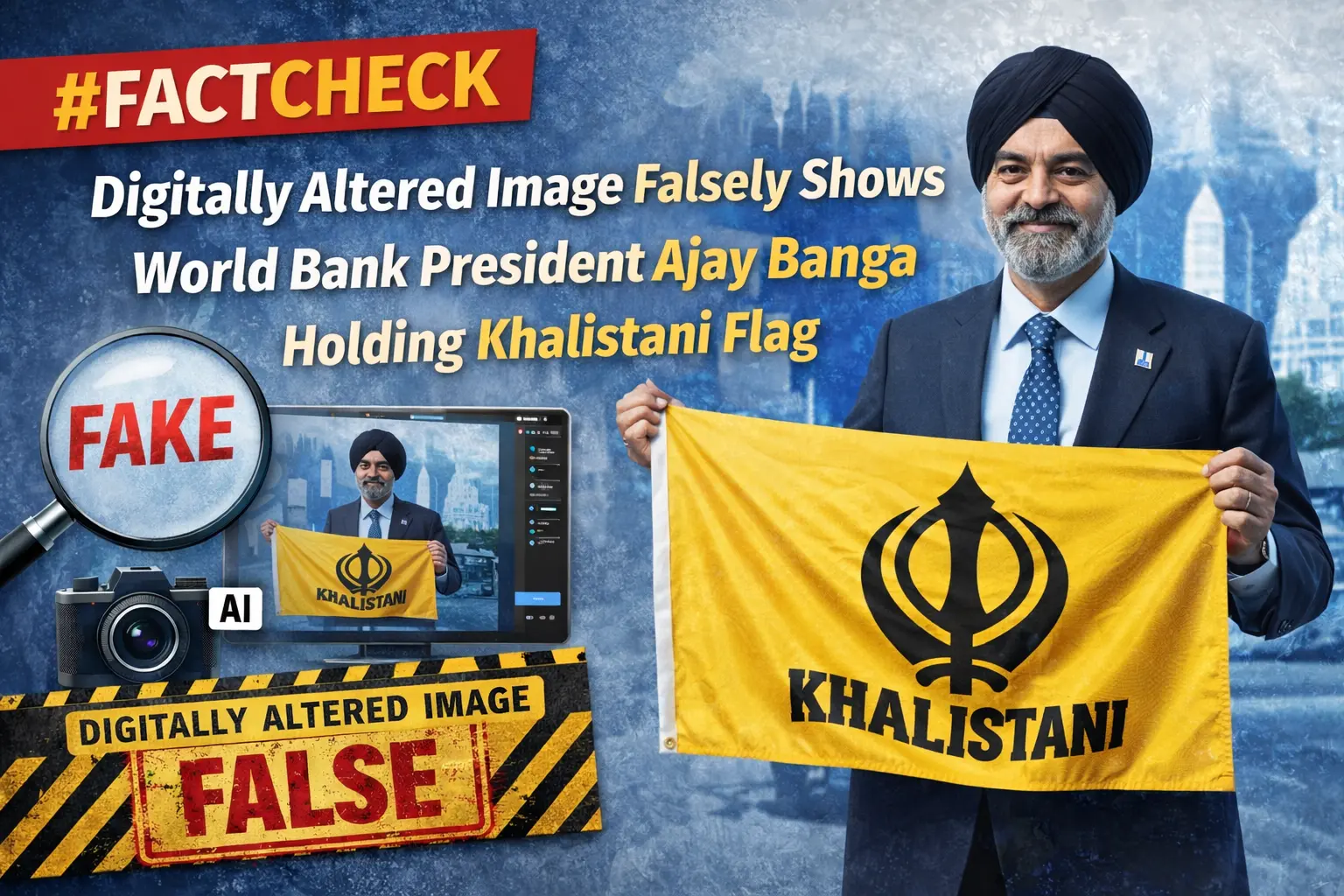
A digitally manipulated image of World Bank President Ajay Banga has been circulating on social media, falsely portraying him as holding a Khalistani flag. The image was shared by a Pakistan-based X (formerly Twitter) user, who also incorrectly identified Banga as the President of the International Monetary Fund (IMF), thereby fuelling misleading speculation that he supports the Khalistani movement against India.
The Claim
On February 5, an X user with the handle @syedAnas0101010 posted an image allegedly showing Ajay Banga holding a Khalistani flag. The user misidentified him as the IMF President and captioned the post, “IMF president sending signals to INDIA.” The post quickly gained traction, amplifying false narratives and political speculation. Here is the link and archive link to the post, along with a screenshot:
Fact Check:
To verify the authenticity of the image, the CyberPeace Fact Check Desk conducted a detailed research . The image was first subjected to a reverse image search using Google Lens, which led to a Reuters news report published on June 13, 2023. The original photograph, captured by Reuters photojournalist Jonathan Ernst, showed Ajay Banga arriving at the World Bank headquarters in Washington, D.C., on June 2, 2023, marking his first day in office. In the authentic image, Banga is seen holding a coffee cup, not a flag.
Further analysis confirmed that the viral image had been digitally altered to replace the coffee cup with a Khalistani flag, thereby misrepresenting the context and intent of the original photograph. Here is the link to the report, along with a screenshot.
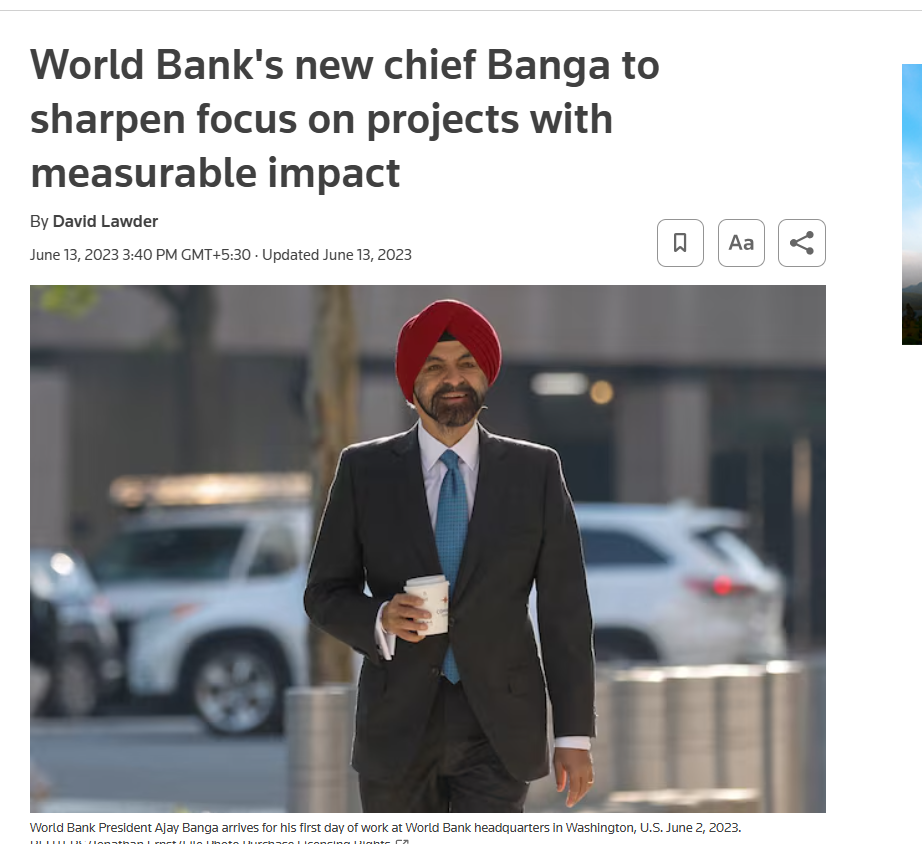
To strengthen the findings, the altered image was also analysed using the Hive Moderation AI detection tool. The tool’s assessment indicated a high likelihood that the image contained AI-generated or manipulated elements, reinforcing the conclusion that the image was not genuine. Below is a screenshot of the result.
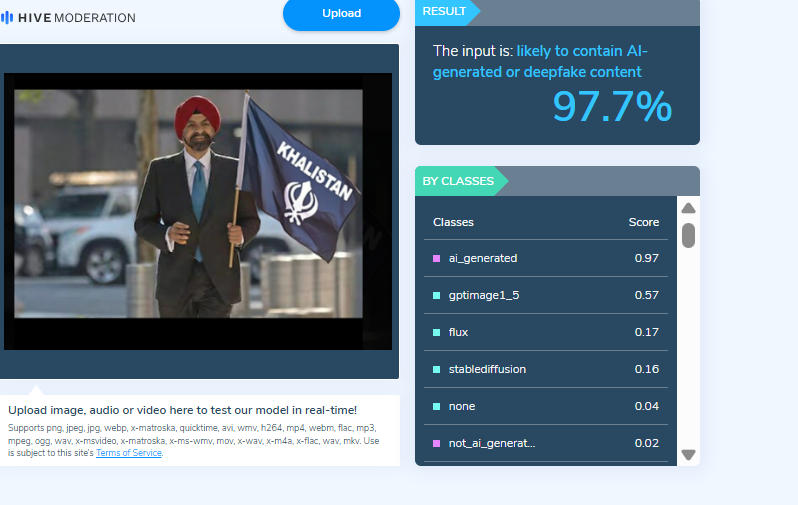
Conclusion
The viral image claiming to show World Bank President Ajay Banga holding a Khalistani flag is fake. The photograph was digitally manipulated to spread misinformation and provoke political speculation. In reality, the original Reuters image from June 2023 shows Banga holding a coffee cup during his arrival at the World Bank headquarters. The claim that he supports the Khalistani movement is false and misleading.
