
#FactCheck- Brazil Explosion Video Falsely Linked to Attack on Israeli Defence Minister
Executive Summary
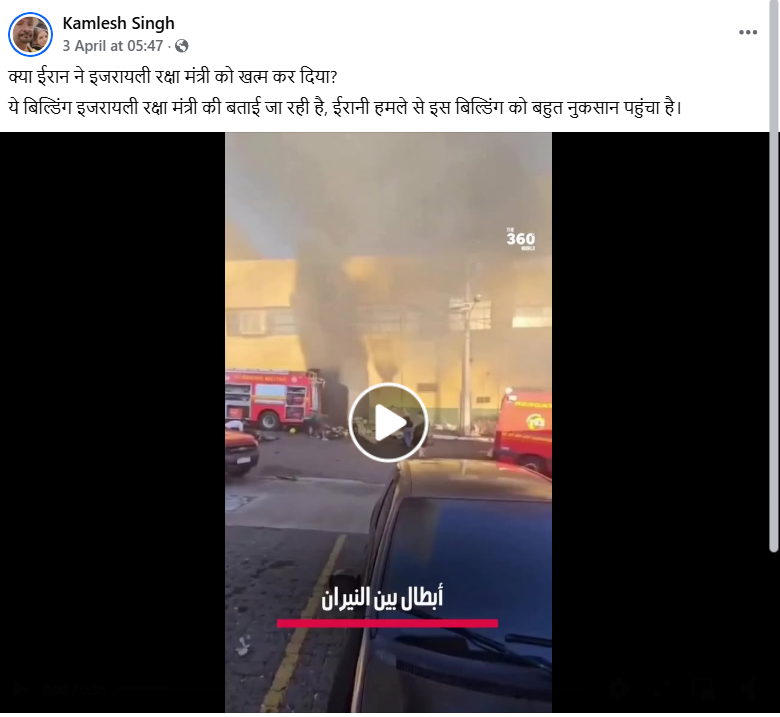
Amid reports of a two-week ceasefire announced on April 8, 2026, between the United States and Iran, a video showing a sudden explosion inside a building has gone viral on social media. The clip shows a fire brigade vehicle stationed outside a structure, with people entering the premises moments before a blast occurs. Social media users are sharing the video with claims that Iran carried out an attack on Israeli Defence Minister Yoav Gallant, alleging that the building shown is linked to Israel’s defence ministry.
However, a research by CyberPeace has found the claim to be false. The viral video is not recent and has no connection to Israel or any ongoing conflict.
Claim
A Facebook user shared the video on April 3, 2026, claiming that Iran had attacked Israeli Defence Minister Yoav Gallant and severely damaged a building associated with him.
Fact Check
To verify the claim, we extracted keyframes from the viral video and conducted a reverse image search. This led us to the same video posted on an X account named Fernanda Melchionna on December 31, 2025.

According to the available information, the video is from Santana do Livramento, where a major fire broke out in a supermarket. Further keyword searches led us to a report published on December 31, 2025, by the Brazilian news website GZH (gaúcha zh clicrbs). The report stated that a fire had erupted in a supermarket in Santana do Livramento, and firefighters had reached the spot to control the blaze. During the operation, an explosion occurred, leaving around 17 people injured. The injured were later taken to a hospital.

We also found the same video uploaded on the YouTube channel Terra Brasil on January 1, 2026, further confirming its origin and timeline.

Conclusion
The viral claim is false and misleading. The explosion video being shared as an attack on Israeli Defence Minister Yoav Gallant is unrelated to the ongoing Middle East situation. The footage is actually from December 2025 and shows an incident in Brazil, where a fire in a supermarket led to an explosion during firefighting operations. There is no evidence to suggest any such attack took place in Israel. The video has been taken out of context and circulated with a fabricated narrative to mislead users and exploit geopolitical tensions.

Related Blogs

Executive Summary:
The picture that went viral with the false story that Dhoni was supporting the Congress party, actually shows his joy over Chennai Super Kings' victory in the achievement of 6 million followers on X (formerly known as Twitter) in 2020. Dhoni's gesture was misinterpreted by many, which resulted in the spread of false information. The Research team of CyberPeace did an in-depth investigation of the photo's roots and confirmed its authenticity through a reverse image search, highlighting how news outlets and CSK's official social media channels shared it. The case illustrates the value of fact verification and the role of real information in preventing the fake news epidemic.

Claims:
An image of former Indian Cricket captain Mahendra Singh Dhoni, showed him urging people to vote for the Congress party, wearing the Chennai Super Kings (CSK) jersey and showing his right palm visible and gesturing the number 'one' with his left index finger. In reality he is celebrating Chennai Super Kings' milestone achievement on X (formerly Twitter) in 2020. Many people are sharing the misinterpretation knowingly or unknowingly over social media platforms.


Fact Check:
After receiving the post, we ran a reverse image search of the image and found a news article published by NDTV. According to the news outlet, Dhoni and his teammates were celebrating CSK's milestone of reaching six million followers on X (formerly known as Twitter) in the photos.

In the image it is written as a tweet of @chennaiipl, to get an idea we dig into the official account of Chennai Super Kings on X (formerly known as Twitter). And Voila! we found the exact post which surfaced on the X (formerly known as Twitter) on 5th October 2020.

Additionally, we found a video posted on the X (formerly known as Twitter) handle of CSK, featuring other cricketers celebrating the Six Million Followers milestone for which they are thanking the audience for their support. Again, it was posted on Oct 05, 2020. The caption of the video is written as “Chennai Super #SixerOnTwitter! A big thanks to all the super fans for each and every bouquet and brickbat throughout the last decade. All the #yellove to you. #WhistlePodu”

Therefore it is easy to conclude that the viral image of MS Dhoni supporting Congress is wrong and misleading.
Conclusion:
The information that circulated online media regarding a picture of Mahendra Singh Dhoni supporting the Congress Party has been proven to be untrue. The actual photograph was of Dhoni congratulating the Chennai Super Kings for having six million followers on social media in the year 2020. This highlights the need for checking the facts of any news circulating online.
- Claim: A photo allegedly depicting former Indian cricket captain Mahendra Singh Dhoni encouraging people to support the Congress party in elections surfaced online.
- Claimed on: X (Formerly known as Twitter)
- Fact Check: Fake & Misleading
.webp)
Introduction
Over-the-Top (OTT) streaming platforms have become a significant part of Indian entertainment consumption, offering users the ability to watch films, web series, and short-format videos directly online. These platforms operate on a subscription-based model, allowing for creative freedom, but they also lack clear accountability. On certain platforms, some content has been criticised for focusing on sensational or sexually explicit themes, particularly targeting young viewers seeking risqué entertainment. Such applications lack strong age verification mechanisms and offer ‘user access’ with minimal restrictions, which raises serious concerns about exposure to obscene content. This has triggered serious concerns among regulators, civil society organisations, advocacy and parental groups about the accessibility of such material and its potential influence, especially on minors.
Blocking order issued by the Ministry of Broadcasting and Information (MIB)
On 23rd July 2025, the Government of India, invoking powers under the Information Technology Act, 2000, and the Information Technology (Intermediary Guidelines and Digital Media Ethics Code) Rules, 2021, has issued a ‘blocking order’ against 25 OTT platforms. A total of 26 websites and 14 mobile applications of the said OTT platforms were on the list, including several prominent OTT platforms for alleged distribution of obscene, vulgar and pornographic content in some cases. This regulatory action follows previous statutory advice and repeated warnings to the platforms in question, some of which continued to operate through new domains and disobeyed Indian laws and regulations.
This action was taken by the Ministry of Broadcasting and Information (MIB) in consultation with Ministry of Home Affairs, Ministry of Women and Child Development, Ministry of Electronics and Information Technology, Department of Legal Affairs, industry bodies and experts in the field of women rights and child rights.
The list of OTT Platforms covered under the said ‘Blocking Order’
The list includes - Big Shots App, Desiflix, Boomex, NeonX VIP, Navarasa Lite, Gulab App, Kangan App, Bull App, ShowHit, Jalva App, Wow Entertainment, Look Entertainment, Hitprime, Fugi, Feneo, ShowX, Sol Talkies, Adda TV, ALTT, HotX VIP, Hulchul App, MoodX, Triflicks, Ullu, and Mojflix.
The government has explicitly directed Internet Service Providers (ISP’s) to disable or remove public access to these websites within India.
Recent Judicial and Centre’s Interventions
- To refresh the memory, last year in March 2024, the Ministry of I&B blocked 18 OTT Platforms for Obscene and Vulgar Content.
- In April 2025, the Apex Court of India heard a petition on the prohibition of streaming of sexually explicit content on over-the-top (OTT) and social media platforms. In response to the petition, the Apex court stated, ‘It's not our domain, the centre has to take action and highlighted the need for executive action in the matter. The apex court has also issued notice to the Centre, OTT platforms, as well as social media platforms in response to a petition seeking a ban on sexually explicit content. (Uday Mahurkar & Ors. v. Union of India & Ors. [WP(C) 313/2025])
- The following recent blocking order dated 23rd July 2025 by the Ministry of I&B is a welcome and commendable step that reflects the government’s firm stance against illicit content on OTT platforms. Kangana Ranaut, Actress and politician, while speaking to a news agency, has appreciated the government's move to ban OTT platforms such as Ullu, ALTT, and Desiflix for showing soft porn content.
Conclusion
The centre’s intervention sends a clear message that OTT platforms cannot remain exempt from accountability. The move is a response to the growing concern of harms caused by unregulated digital content and non-compliances by the platforms, particularly in relation to illicit material, and broader violations of decency laws in India. However, the enforcement must now go beyond issuing orders and require a robust measurable compliance framework for OTT platforms.
In today’s fast-paced era, when subscription-based content platforms place vast libraries at users' fingertips, the government's action is necessary and proportionate, marking a decisive step toward safer digital and healthy regulated environments.
References
- https://www.newsonair.gov.in/govt-bans-25-ott-websites-apps-over-vulgar-and-pornographic-content/
- https://timesofindia.indiatimes.com/technology/tech-news/big-shots-ullu-altt-desiflix-mojflix-and-20-other-ott-apps-banned-what-governments-ban-order-says/articleshow/122918803.cms
- https://www.ndtv.com/india-news/centre-bans-ott-platforms-ullu-altt-desiflix-for-obscene-content-8947100
- https://foxmandal.in/News/sc-takes-note-of-obscenity-plea-issues-notice-to-ott-platforms/
- https://www.morungexpress.com/kangana-ranaut-calls-banning-ott-platforms-for-soft-porn-content-a-much-appreciated-move
- https://www.livemint.com/news/india/do-something-supreme-court-to-centre-ott-platforms-on-obscene-content-pil-netflix-amazon-prime-ullu-altt-x-facebook-11745823594972.html
Executive Summary:
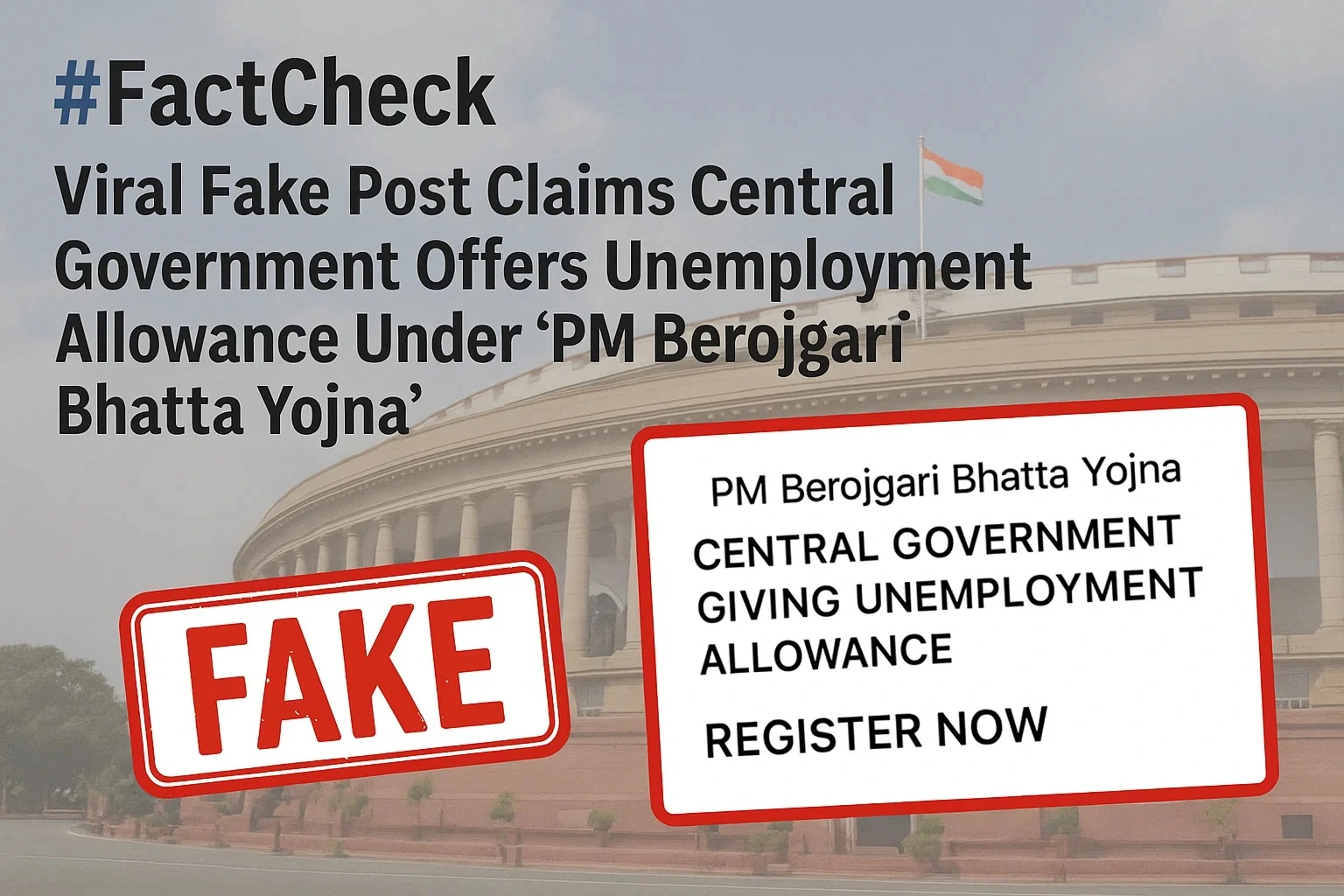
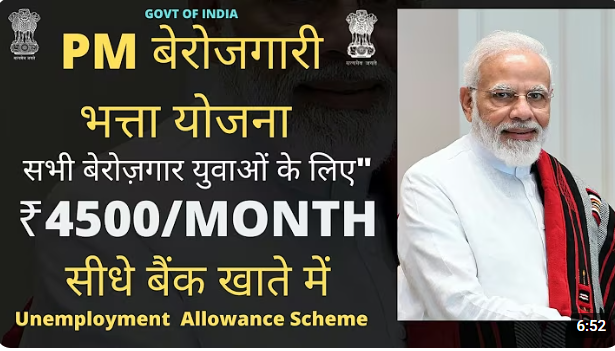
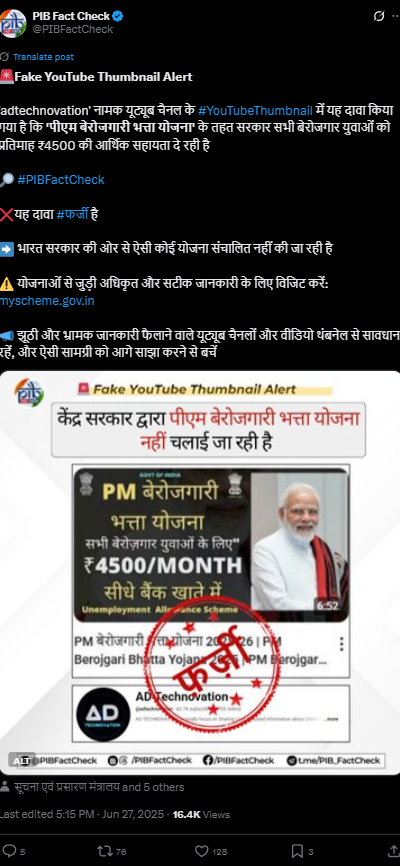
A viral thumbnail and numerous social posts state that the government of India is giving unemployed youth ₹4,500 a month under a program labeled "PM Berojgari Bhatta Yojana." This claim has been shared on multiple online platforms.. It has given many job-seeking individuals hope, however, when we independently researched the claim, there was no verified source of the scheme or government notification.
Claim:
The viral post states: "The Central Government is conducting a scheme called PM Berojgari Bhatta Yojana in which any unemployed youth would be given ₹ 4,500 each month. Eligible candidates can apply online and get benefits." Several videos and posts show suspicious and unverified website links for registration, trying to get the general public to share their personal information.
Fact check:
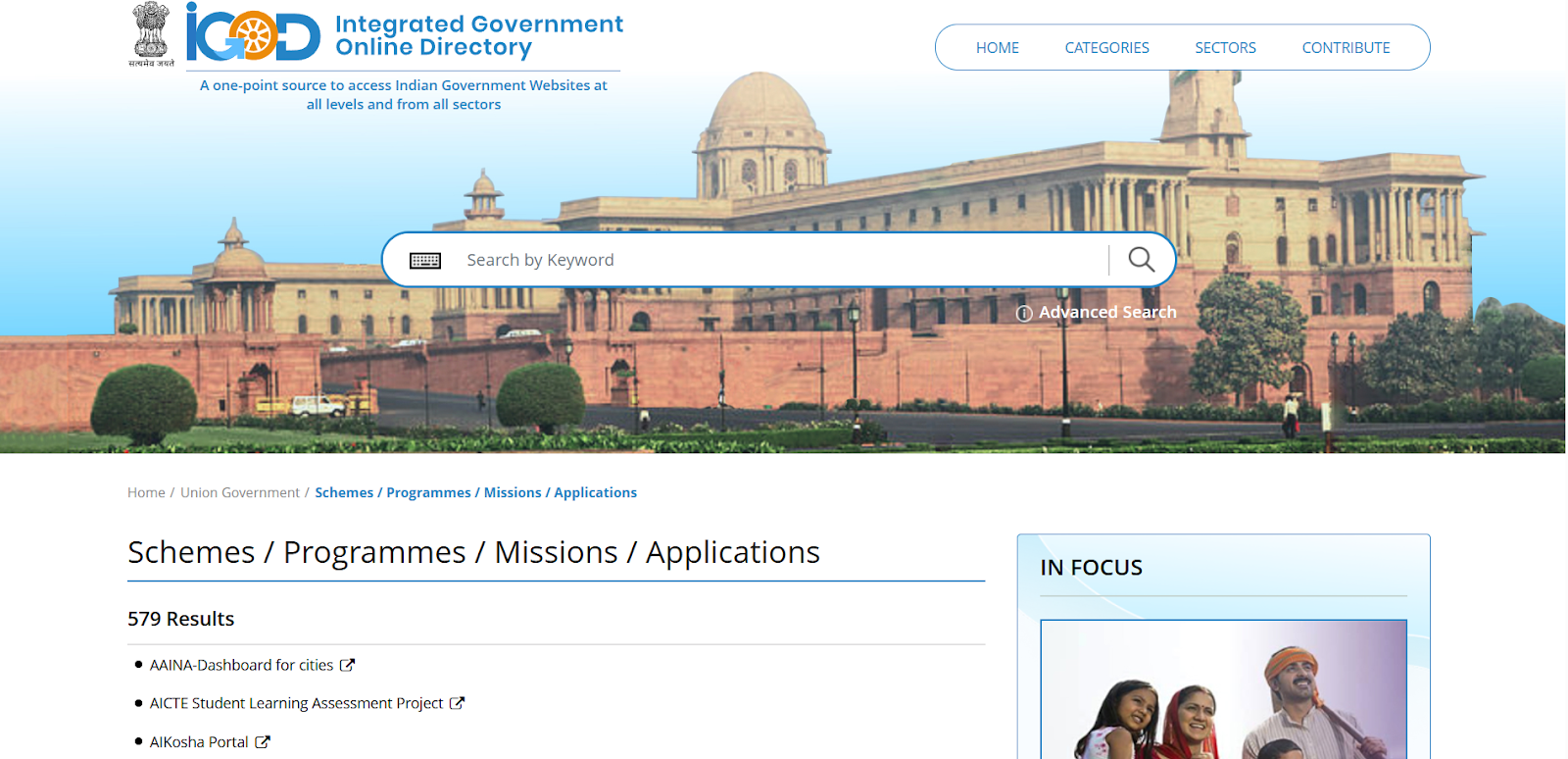
In the course of our verification, we conducted a research of all government portals that are official, in this case, the Ministry of Labour and Employment, PMO India, MyScheme, MyGov, and Integrated Government Online Directory, which lists all legitimate Schemes, Programmes, Missions, and Applications run by the Government of India does not posted any scheme related to the PM Berojgari Bhatta Yojana.
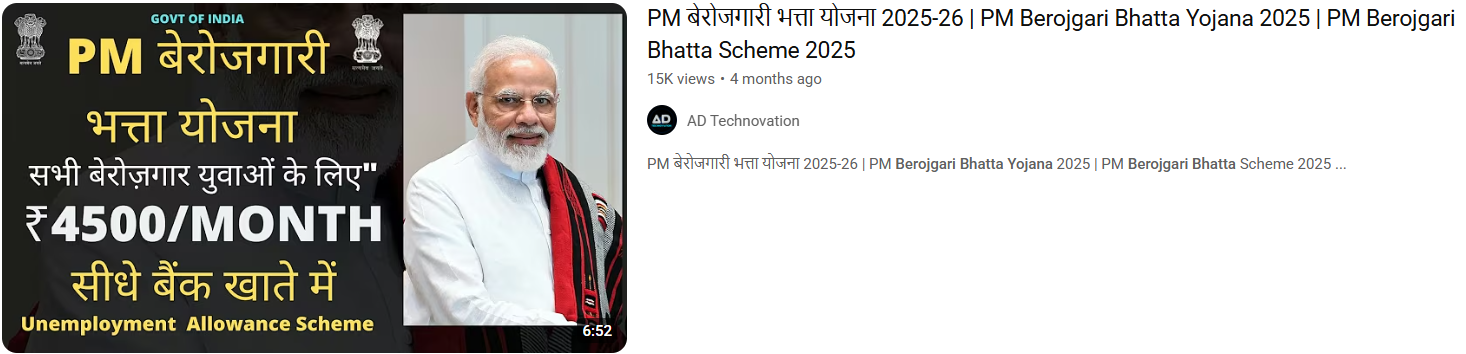
Numerous YouTube channels seem to be monetizing false narratives at the expense of sentiment, leading users to misleading websites. The purpose of these scams is typically to either harvest data or market pay-per-click ads that suspend disbelief in outrageous claims.
Our research findings were backed up later by the PIB Fact Check which shared a clarification on social media. stated that: “No such scheme called ‘PM Berojgari Bhatta Yojana’ is in existence. The claim that has gone viral is fake”.
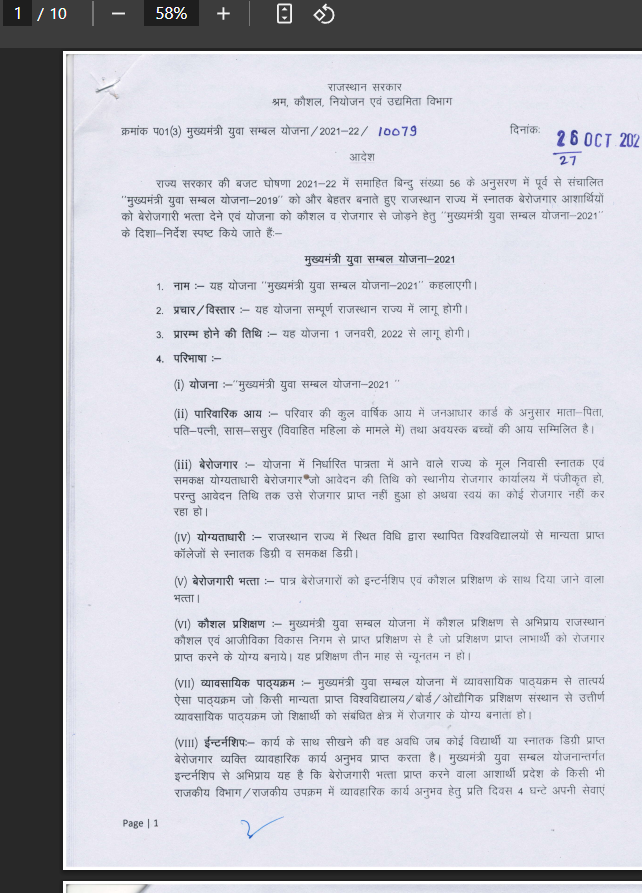
To provide some perspective, in 2021-22, the Rajasthan government launched a state-level program under the Mukhyamantri Udyog Sambal Yojana (MUSY) that provided ₹4,500/month to unemployed women and transgender persons, and ₹4000/month to unemployed males. This was not a Central Government program, and the current viral claim falsely contextualizes past, local initiatives as nationwide policy.
Conclusion:
The claim of a ₹4,500 monthly unemployment benefit under the PM Berojgari Bhatta Yojana is incorrect. The Central Government or any government department has not launched such a scheme. Our claim aligns with PIB Fact Check, which classifies this as a case of misinformation. We encourage everyone to be vigilant and avoid reacting to viral fake news. Verify claims through official sources before sharing or taking action. Let's work together to curb misinformation and protect citizens from false hopes and data fraud.
- Claim: A central policy offers jobless individuals ₹4,500 monthly financial relief
- Claimed On: Social Media
- Fact Check: False and Misleading
