
#FactCheck - Viral Video of Shah Rukh Khan Is AI-Generated; Users Sharing Misleading Claims
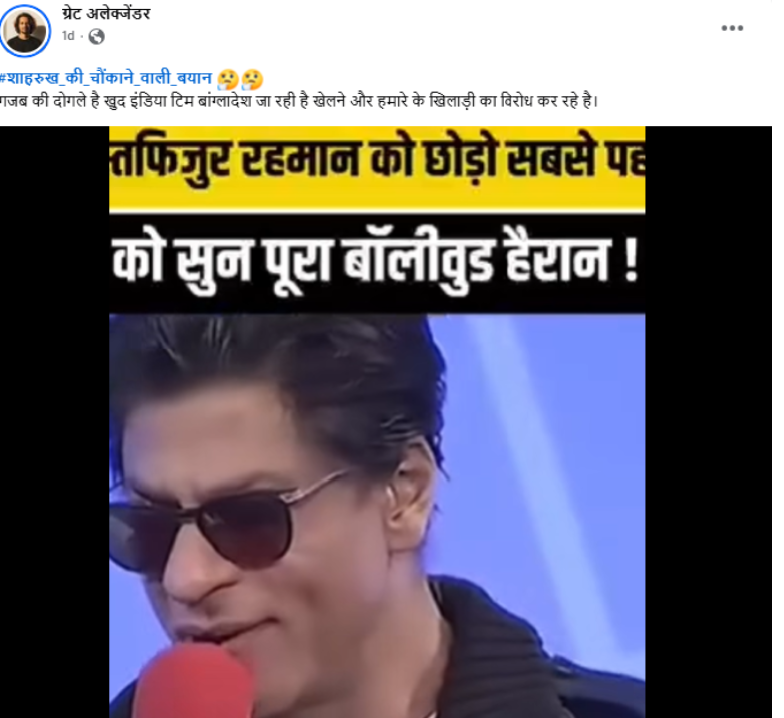
A video of Bollywood actor and Kolkata Knight Riders (KKR) owner Shah Rukh Khan is going viral on social media. The video claims that Shah Rukh Khan is reacting to opposition against Bangladeshi bowler Mustafizur Rahman playing for KKR and is allegedly calling industrialist Gautam Adani a “traitor,” while appealing to stop Hindu–Muslim politics.
Research by the CyberPeace Foundation found that the voice heard in the video is not Shah Rukh Khan’s but is AI-generated. Shah Rukh Khan has not made any official statement regarding Mustafizur Rahman’s removal from KKR. The claim made in the video concerning industrialist Gautam Adani is also completely misleading and baseless.
Claim
In the viral video, Shah Rukh Khan is allegedly heard saying: “People barking about Mustafizur Rahman playing for KKR should stop it. Adani is earning money by betraying the country by supplying electricity from India to Bangladesh. Leave Hindu–Muslim politics and raise your voice against traitors like Adani for the welfare of the country. Mustafizur Rahman will continue to play for the team.”
The post link, archive link, and screenshots can be seen below:
- Archive link: https://archive.is/XsQXp
- Facebook reel link: https://www.facebook.com/reel/1220246633365097
Research
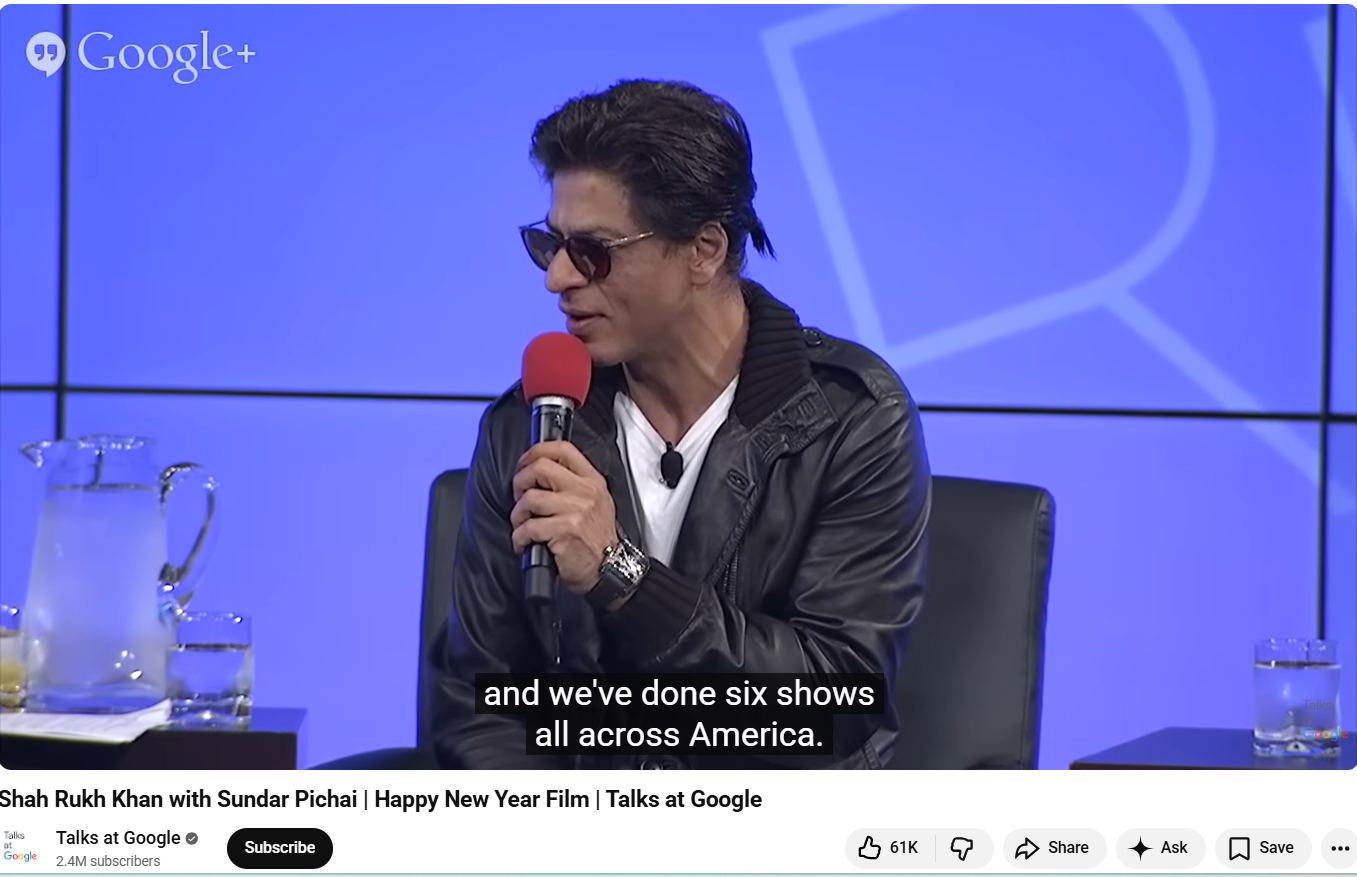
We examined the key frames of Shah Rukh Khan’s viral video using Google Lens. During this process, we found the original video on the official YouTube channel Talks at Google, which was uploaded on 2 October 2014.
In this video, Shah Rukh Khan is seen wearing the same outfit as in the viral clip. He is seen responding to questions from Google CEO Sundar Pichai. The YouTube video description mentions that Shah Rukh Khan participated in a fireside chat held at the Googleplex, where he answered Pichai’s questions and also promoted his upcoming film “Happy New Year.”
The link to the video is given : https://www.youtube.com/watch?v=H_8UBv5bZo0
Upon closely analyzing the viral video of Shah Rukh Khan, we noticed a clear mismatch between his voice and lip movements (lip sync). Such inconsistencies usually appear when the original video or its audio has been tampered with.
We then examined the audio present in the video using the AI detection tool Aurigin. According to the tool’s results, the audio in the viral video was found to be approximately 99 percent AI-generated.
Conclusion
Our research confirmed that the voice heard in the video is not Shah Rukh Khan’s but is AI-generated. Shah Rukh Khan has not made any official comment regarding Mustafizur Rahman’s removal from KKR. Additionally, the claims made in the video about industrialist Gautam Adani are completely misleading and baseless.

Related Blogs

Executive Summary
A video showing unusually large hailstones falling from the sky and damaging parked vehicles is being widely circulated on social media. Users are claiming that the video shows a severe hailstorm in Maharashtra amid the ongoing heatwave conditions in several parts of the country. CyberPeace Research Wing research found the claim to be false. The viral clip is not a real weather event and has been identified as AI-generated content.
Claim:
Social media users shared the video claiming it shows heavy hailstorm in Maharashtra, with captions suggesting widespread damage caused by extreme weather. https://www.facebook.com/reel/1741412617041722, https://archive.is/W2QxM

Fact Check:
A reverse image search of keyframes from the viral video did not yield any credible media reports linking the visuals to any real hailstorm in Maharashtra or elsewhere.
https://www.youtube.com/watch?v=ZRsWLRowbao
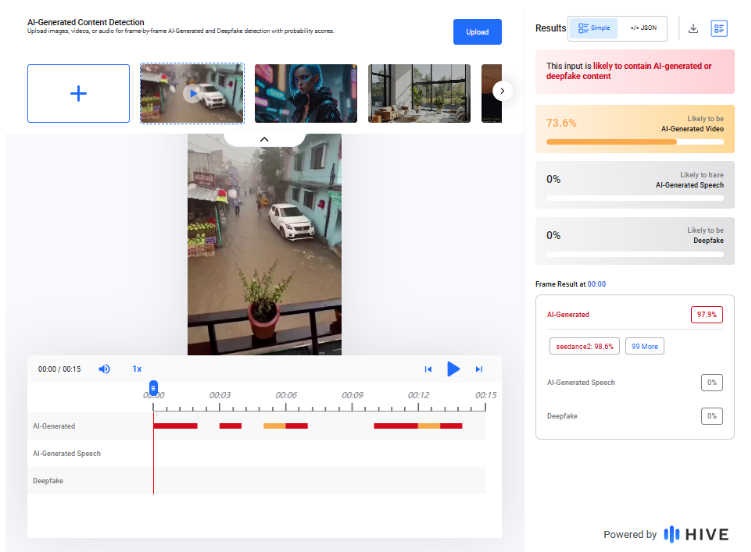
Closer examination of the video revealed multiple inconsistencies, including unnatural movement and unrealistic size and behavior of hailstones, which are commonly associated with AI-generated visuals. The video was further analysed using AI detection tools. Hive Moderation flagged the content as likely AI-generated.
Similarly, Sightengine analysis indicated a 99% probability that the visuals were artificially created.

Conclusion:
The research confirms that the viral video claiming to show a massive hailstorm in Maharashtra is not real. The visuals are AI-generated and do not depict any actual weather event.

Introduction
In recent times the evolution of cyber laws has picked up momentum, primarily because of new and emerging technologies. However, just as with any other law, the same is also strengthened and substantiated by judicial precedents and judgements. Recently Delhi High Court has heard a matter between Tata Sky and Linkedin, where the court has asked them to present their Chief Grievance Officer details and SoP per the intermediary guidelines 2021.
Furthermore, in another news, officials from RBI and Meity have been summoned by the Parliamentary Standing Committee in order to address the rising issues of cyber securities and cybercrimes in India. This comes on the very first day of the monsoon session of the parliament this year. As we move towards the aspects of digital India, addressing these concerns are of utmost importance to safeguard the Indian Netizen.
The Issue
Tata Sky changed its name to Tata Play last year and has since then made its advent in the OTT sector as well. As the rebranding took place, the company was very cautious of anyone using the name Tata Sky in a bad light. Tata Play found that a lot of people on Linkedin had posted their work experience in Tata Sky for multiple years, as any new recruiter cannot verify the same. This poses a misappropriation of the brand’s name. This issue was reported to Linkedin multiple times by officials of Tata Play, but no significant action was seen. This led to an issue between the two brands; hence, a matter has been filed in front of the Hon’ble Delhi High Court to address the issue. The court has taken due cognisance of the issue, and hence in accordance with the Intermediary Guidelines 2021, the court has directed Linkedlin to provide the details of their Cheif Grievance Officer in the public domain and also to share the SoP for the redressal of issues and grievances. The guidelines made it mandatory for all intermediaries to set up a dedicated office in India and appoint a Chief Grievance Officer responsible for effective and efficient redressal of the platform-related offences and grievances within the stipulated period.
The job platform has also been ordered to share the SoPs and the various requirements and safety checks for users to create profiles over Linkedin. The policy of Linkedin is focused towards the users as well as the companies existing on the platform in order to create a synergy between the two.
RBI and Meity Official at Praliament
As we go deeper into cyberspace, especially after the pandemic, we have seen an exponential rise in cybercrimes. Based on statistics, 4 out of 10 people have been victims of cybercrimes in 2022-23, and it is estimated that 70% of the population has been subjected to direct or indirect cybercrime. As per the latest statistics, 85% of Indian children have been subjected to cyberbullying in some form or the other.
The government has taken note of the rising numbers of such crimes and threats, and hence the Parliamentary Committee has summoned the officials from RBI and the Ministery of Electronics and Information Technology to the parliament on July 20, 2023, i.e. the first day of monsoon session at the parliament. This comes at a very crucial time as the Digital Personal Data Protection Bill is to be tabled in the parliament this session and this marks the revamping of the legislation and regulations in the Indian cyberspace. As emerging technologies have started to surround us it is pertinent to create legal safeguards and practices to protect the Indian Netizen at large.
Conclusion
The legal crossroads between Tata Sky and Linkedin will go a long way in establishing the mandates under the Intermediary guidelines in the form of legal precedents. The compliance with the rule of law is the most crucial aspect of any democracy. Hence the separation of power between the Legislature, Judiciary and Execution has been fundamental in safeguarding basic and fundamental rights. Similarly, the RBI and Meity officials being summoned to the parliament shows the transparency in the system and defines the true spirit of democracy., which will contribute towards creating a safe and secured Indian Cyberspace.
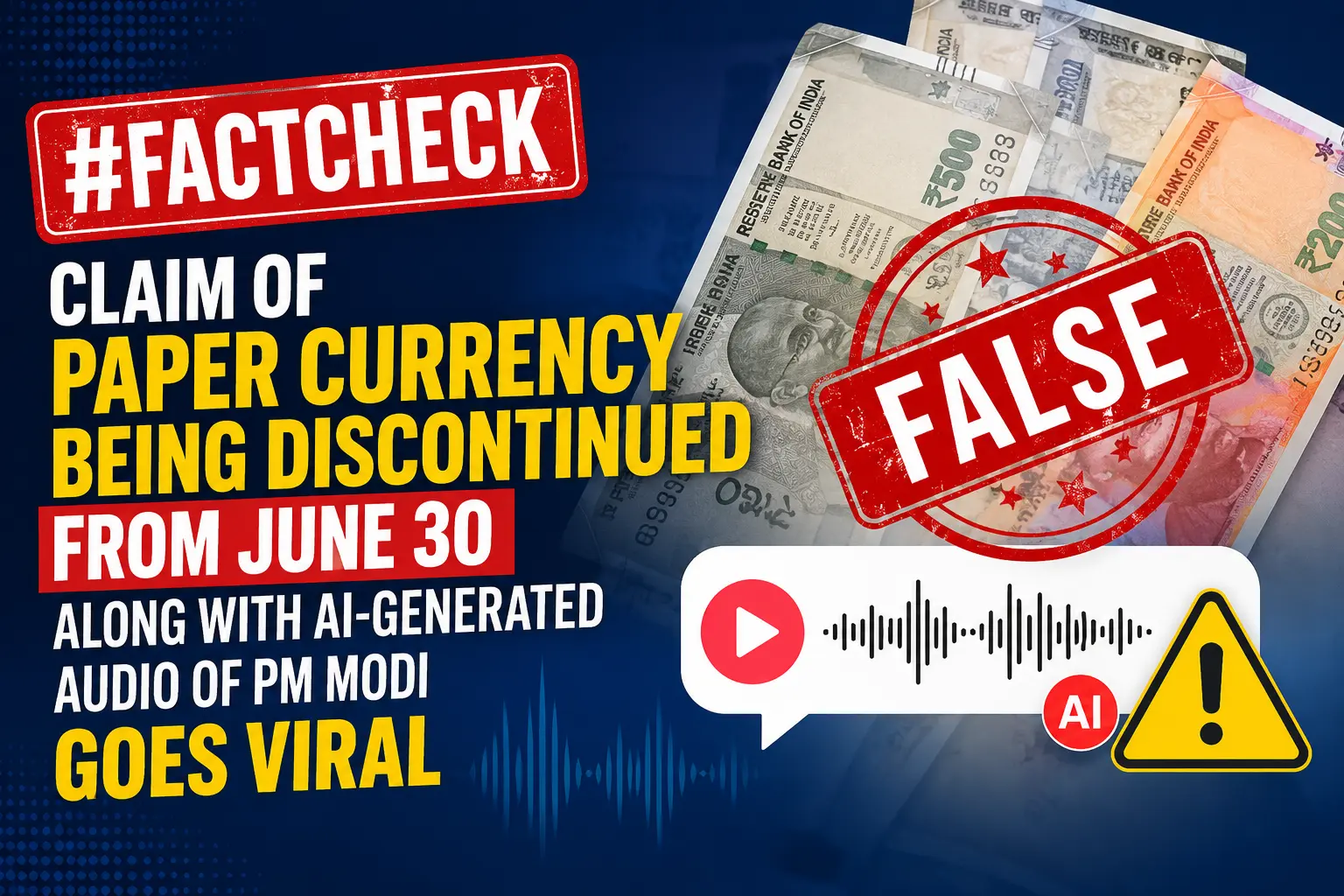
Executive Summary
A post is being widely circulated on social media claiming that paper currency will be discontinued in the country from June 30 and replaced with new plastic notes. The claim is being shared along with an audio clip purportedly featuring Prime Minister Narendra Modi, warning people that paper notes will no longer be valid after June 30 and that new plastic currency will be introduced in the market.CyberPeace Research Wing research found the claim to be false. The viral post about discontinuation of paper currency from June 30 is baseless, and the audio attributed to the Prime Minister has been generated using artificial intelligence.
Claim:
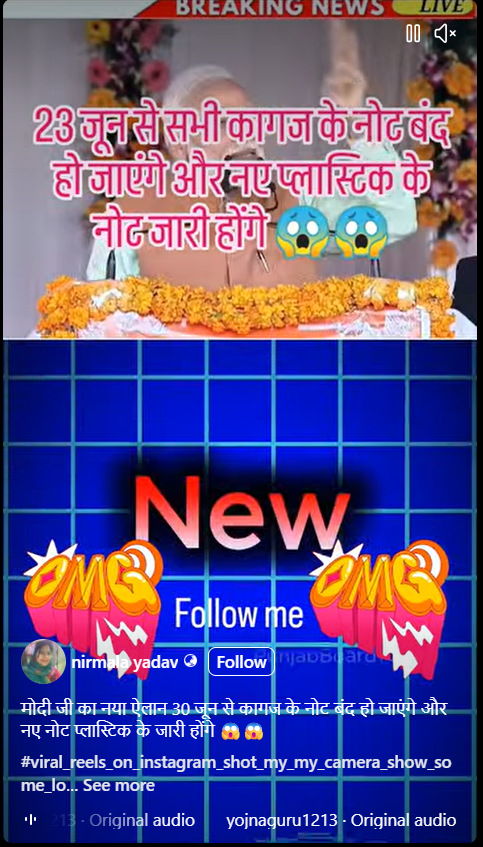
An X (formerly Twitter) user shared the viral post claiming that paper currency will be completely withdrawn from circulation in India from June 30 and replaced with plastic notes. The post includes an audio clip allegedly featuring PM Modi.
Post link and archive link can be seen below:
https://www.facebook.com/reel/2172216560209848
Factcheck
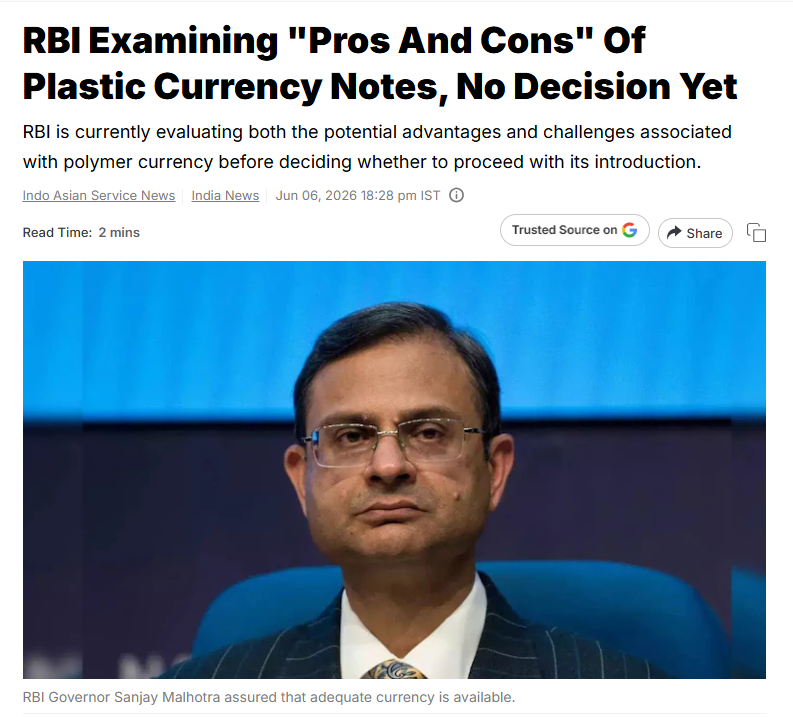
To verify the claim, we conducted a keyword search online. During the research, we found a report published by NDTV on June 6, which stated that the Reserve Bank of India (RBI) is currently examining a proposal related to polymer-based (plastic) currency notes. The report clarified that the proposal is at a very preliminary stage and no final decision has been made. RBI Governor Sanjay Malhotra stated that the central bank is evaluating the pros and cons of polymer notes and will inform the public once any decision is taken. The report does not mention any discontinuation of existing paper currency.
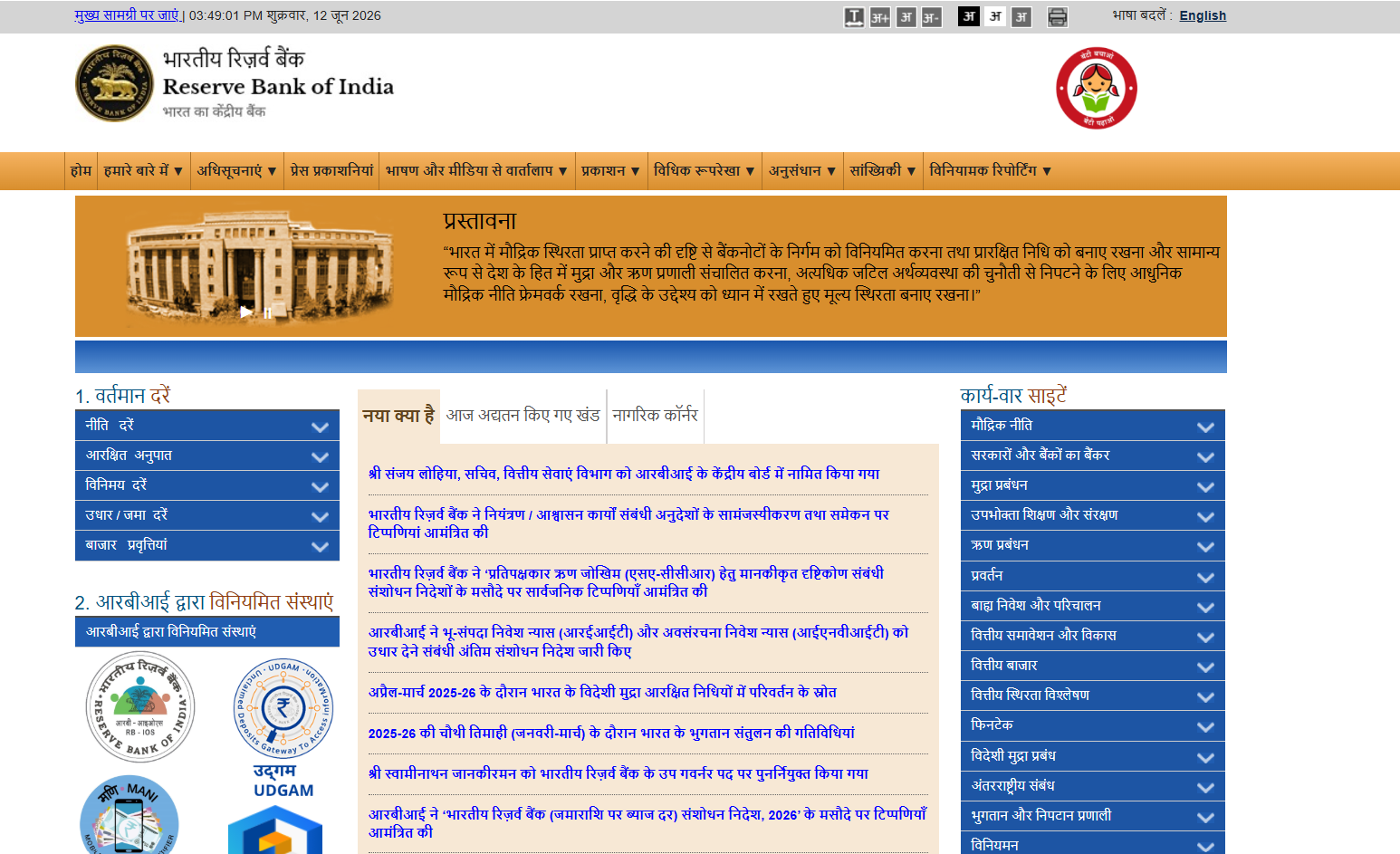
We also checked official sources, including the Prime Minister’s social media handles and the Reserve Bank of India website, but found no announcement or notification regarding the discontinuation of paper currency from June 30.
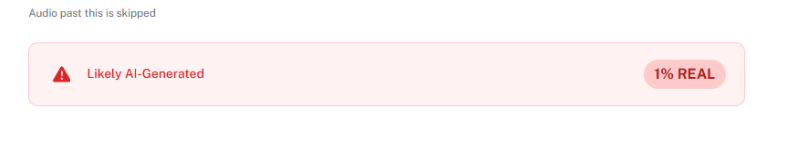
Since the claim included an audio clip attributed to PM Modi, we analyzed it using AI voice detection tools. The Undetectable AI tool identified the voice with 99% probability as AI-generated.
Conclusion:
The research clearly shows that the claim about discontinuation of paper currency from June 30 is baseless. The audio attributed to Prime Minister Narendra Modi is also AI-generated and does not represent any official statement.
