
Misinformation on social media
Introduction
In the era of digitalisation, social media has become an essential part of our lives, with people spending a lot of time updating every moment of their lives on these platforms. Social media networks such as WhatsApp, Facebook, and YouTube have emerged as significant sources of Information. However, the proliferation of misinformation is alarming since misinformation can have grave consequences for individuals, organisations, and society as a whole. Misinformation can spread rapidly via social media, leaving a higher impact on larger audiences. Bad actors can exploit algorithms for their benefit or some other agenda, using tactics such as clickbait headlines, emotionally charged language, and manipulated algorithms to increase false information.
Impact
The impact of misinformation on our lives is devastating, affecting individuals, communities, and society as a whole. False or misleading health information can have serious consequences, such as believing in unproven remedies or misinformation about some vaccines can cause serious illness, disability, or even death. Any misinformation related to any financial scheme or investment can lead to false or poor financial decisions that could lead to bankruptcy and loss of long-term savings.
In a democratic nation, misinformation plays a vital role in forming a political opinion, and the misinformation spread on social media during elections can affect voter behaviour, damage trust, and may cause political instability.
Mitigating strategies
The best way to minimise or stop the spreading of misinformation requires a multi-faceted approach. These strategies include promoting media literacy with critical thinking, verifying information before sharing, holding social media platforms accountable, regulating misinformation, supporting critical research, and fostering healthy means of communication to build a resilient society.
To put an end to the cycle of misinformation and move towards a better future, we must create plans to combat the spread of false information. This will require coordinated actions from individuals, communities, tech companies, and institutions to promote a culture of information accuracy and responsible behaviour.
The widespread spread of false information on social media platforms presents serious problems for people, groups, and society as a whole. It becomes clear that battling false information necessitates a thorough and multifaceted strategy as we go deeper into comprehending the nuances of this problem.
Encouraging consumers to develop media literacy and critical thinking abilities is essential to preventing the spread of false information. Being educated is essential for equipping people to distinguish between reliable sources and false information. Giving individuals the skills to assess information critically will enable them to choose the content they share and consume with knowledge. Public awareness campaigns should be used to promote and include initiatives that aim to improve media literacy in school curriculum.
Ways to Stop Misinformation
As we have seen, misinformation can cause serious implications; the best way to minimise or stop the spreading of misinformation requires a multifaceted approach; here are some strategies to combat misinformation.
- Promote Media Literacy with Critical Thinking: Educate individuals about how to critically evaluate information, fact check, and recognise common tactics used to spread misinformation, the users must use their critical thinking before forming any opinion or perspective and sharing the content.
- Verify Information: we must encourage people to verify the information before sharing, especially if it seems sensational or controversial, and encourage the consumption of news or any information from a reputable source of news that follows ethical journalistic standards.
- Accountability: Advocate for social media networks' openness and responsibility in the fight against misinformation. Encourage platforms to put in place procedures to detect and delete fraudulent content while boosting credible sources.
- Regulate Misinformation: Looking at the current situation, it is important to advocate for policies and regulations that address the spread of misinformation while safeguarding freedom of expression. Transparency in online communication by identifying the source of information and disclosing any conflict of interest.
- Support Critical Research: Invest in research and study on the sources, impacts, and remedies to misinformation. Support collaborative initiatives by social scientists, psychologists, journalists, and technology to create evidence-based techniques for countering misinformation.
Conclusion
To prevent the cycle of misinformation and move towards responsible use of the Internet, we must create strategies to combat the spread of false information. This will require coordinated actions from individuals, communities, tech companies, and institutions to promote a culture of information accuracy and responsible behaviour.

Related Blogs
Introduction
The trajectory of India's digital economy is growing at an unprecedented rate, and so is India's cybercrime ecosystem. Parliamentary data tabled before the Rajya Sabha in May 2024 by the MHA suggests an overwhelming 900% growth in cybercrime complaints from 2021 to '25, while annual losses crossed 22,800 crore in 2024. The structural issues like the low victim restitution rate, the lack of forensic infrastructure, issues of jurisdiction related to offshore fraud factories targeting Indian citizens, and the huge disparity in awareness levels amongst India's youngest online citizens continue to exist. This brief brings out the clear trends in cybercrime, the role of institutional mechanisms in its prevention and response, failure points, and recommends appropriate policy interventions from the perspective of CyberPeace.
The Data Imperative
Since its operationalisation in 2019 by the Indian Cyber Crime Coordination Centre (I4C), the NCRP serves as India's most significant institutional apparatus for cybercrime reporting and response. Data placed before the Rajya Sabha by the Ministry of Home Affairs on 30 July 2025 show that, with almost no exception, complaints of cybercrime have increased far more quickly than most traditional indicators of public safety. Between 2021 and June 2025, the NCRP received 6.59 million complaints, evidence of both a sustained and escalating expansion of India's cyber threat profile. Complaints per year more than quadrupled from 4.52 lakh in 2021 to 19.18 lakh in 2024 (324% over the period); by 2025, the NCRP had received 28.15 lakh complaints, a 523 percent rise compared with the 2021 baseline:
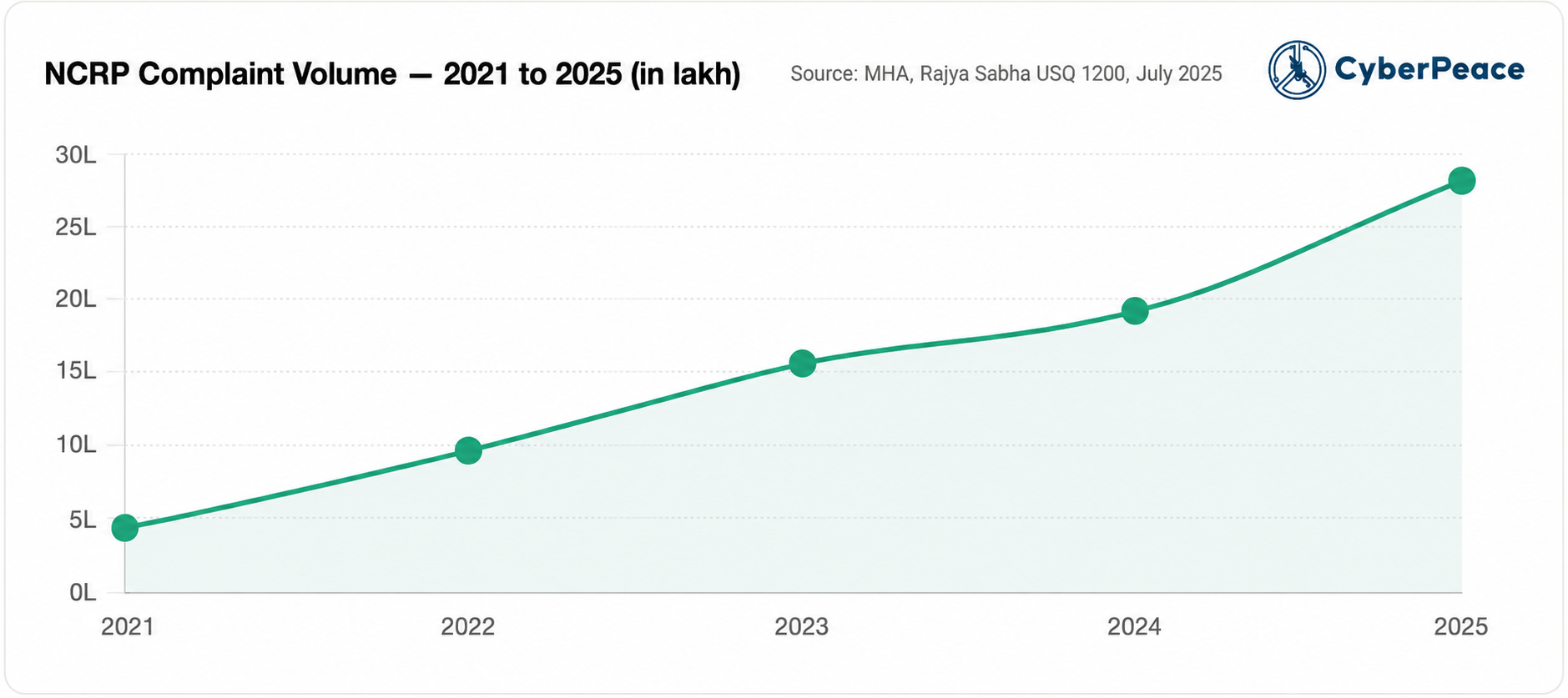
Clearly, cyber-enabled crime is no longer an occasional crisis but a systemic governance issue requiring consistent regulation and institution-building.
The financial fallout has also accelerated dramatically. Figures indicate that reported financial losses due to cybercrime jumped from 2,290 crore in 2022 to 22,812 crore in 2024 a 895% leap in two years:
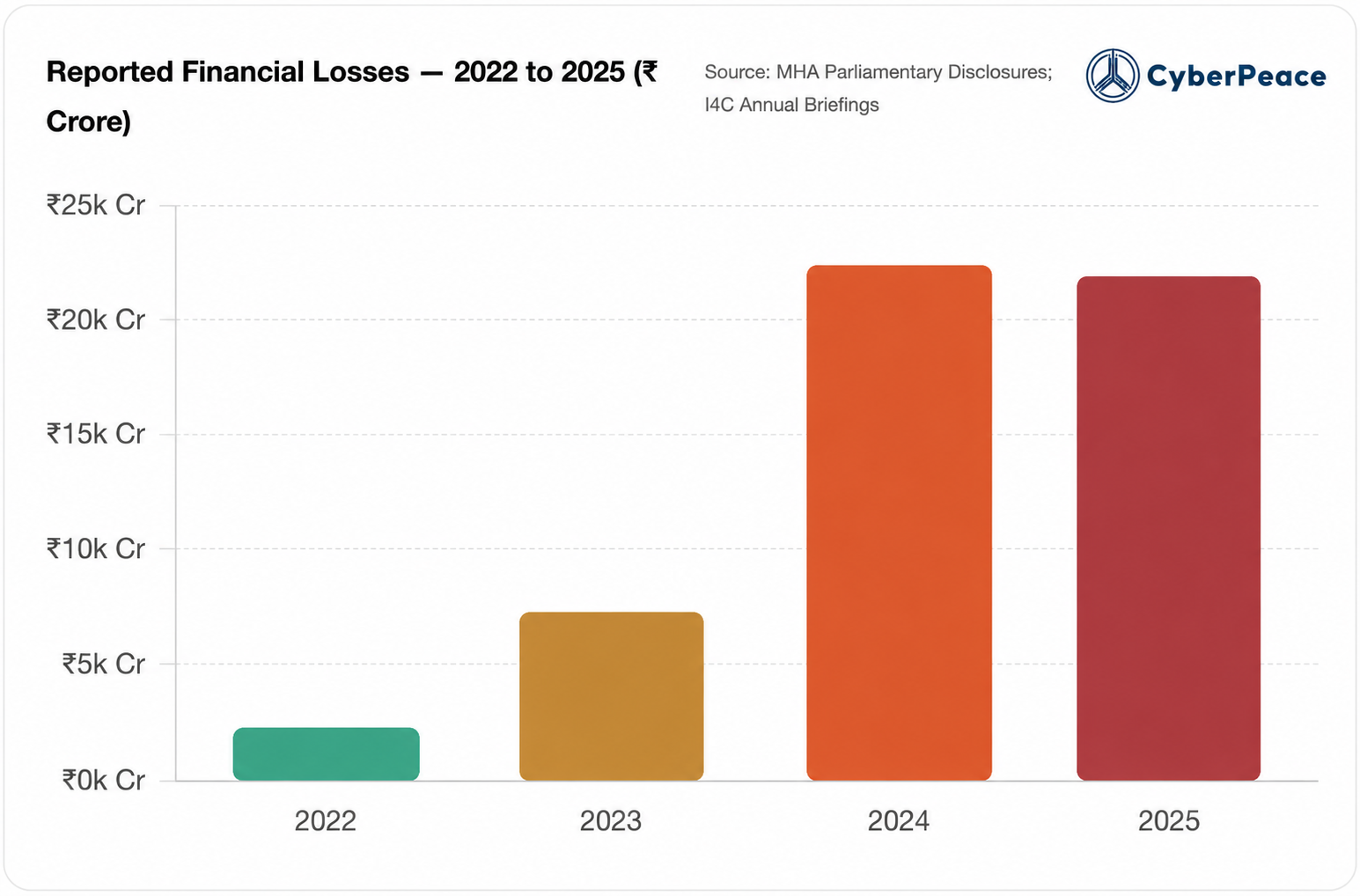
Though response mechanisms such as the Citizen Financial Cyber Fraud Reporting and Management System (CFCFRMS) successfully blocked or recovered close to 8,690 crore as of January 2026, victims appear to get back only about 2.18 percent of the losses they report.
In most areas, reporting and response have expanded greatly, but both the rate and scale of cyber-enabled financial fraud continue to outstrip India's remediation and law enforcement capacity.
Threat Typology of India’s Fraud Ecosystem
The nature of cyber crime in India has evolved from an opportunistic volume-based activity to a layered transnational criminal environment. I4C intelligence as tabled in Parliament reveals investment scams as the biggest threat: they accounted for 76% of the financial fraud lost in 2025 (although only 35% of complaints were filed, thus, a very high value per case was lost).
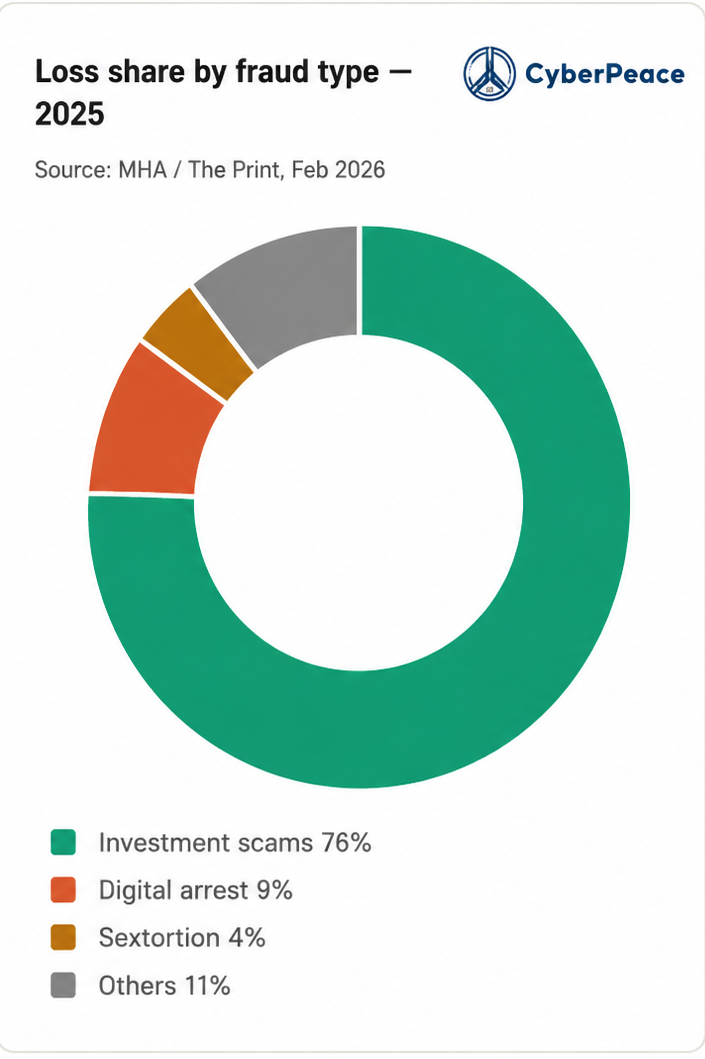
Digital arrest frauds, which tap on citizens' unawareness that "digital arrest" is not permissible under Indian law, rose from 39,925 cases (91 crore) in 2022 to 123,672 cases (1,935crore) in 2024.
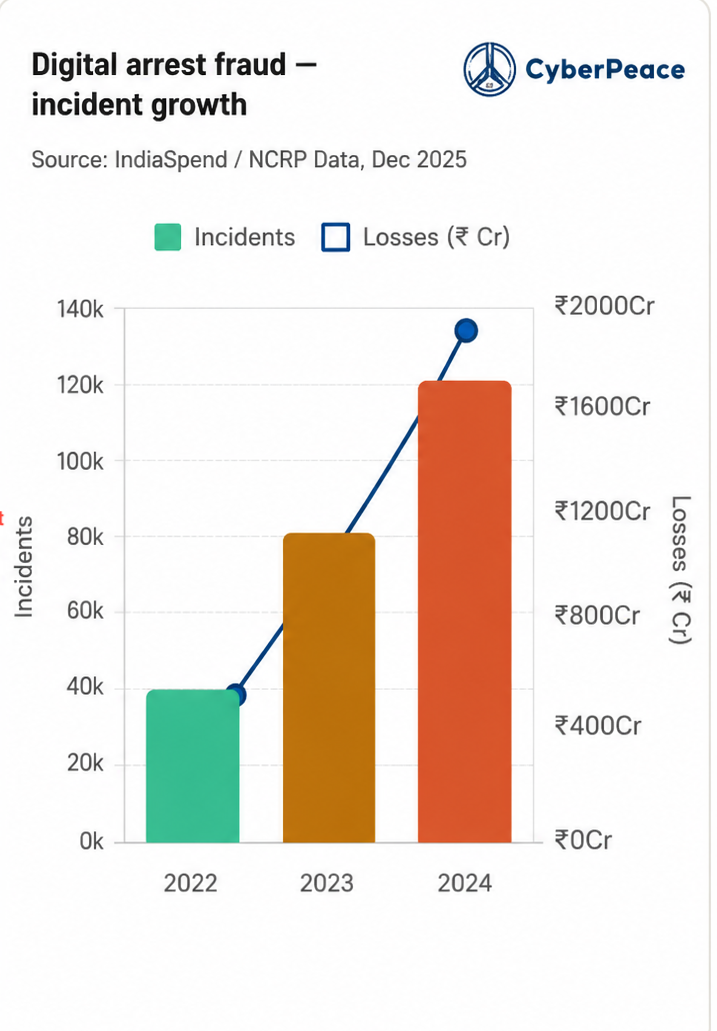
The fast rise in the number of incidents as well as in the volume of fraud clearly points out that digital arrest fraud has moved away from the phase of novel scam typology to a formidable cyber-extortion landscape. The main orchestrators of investment, trading, dating, and digital arrest scams targeting Indian citizens were recently identified by the I4C CEO Rajesh Kumar as transnational criminal scam networks in Cambodia, Myanmar, and Laos. Hence, this issue does not only fall within the domain of domestic law enforcement but constitutes a transnational cybercrime requiring parallel financial intelligence, diplomatic initiative, platform responsibility, and international investigative collaboration.
Geographic Concentration
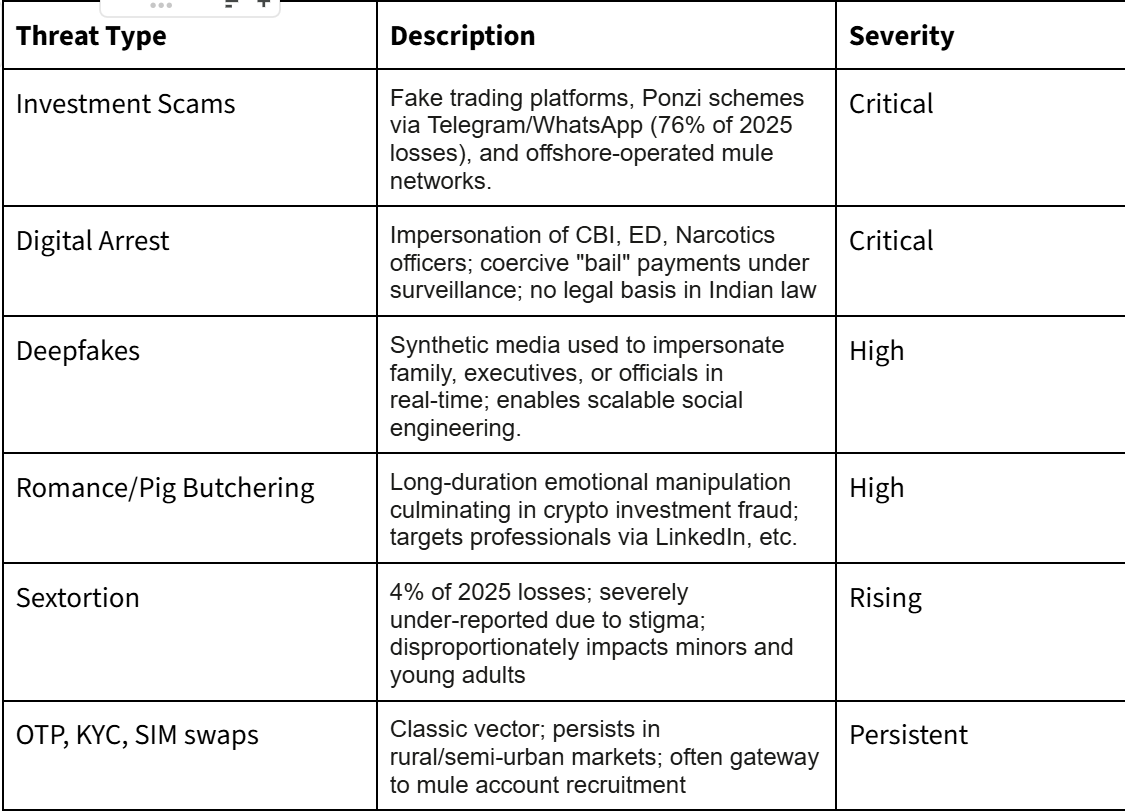
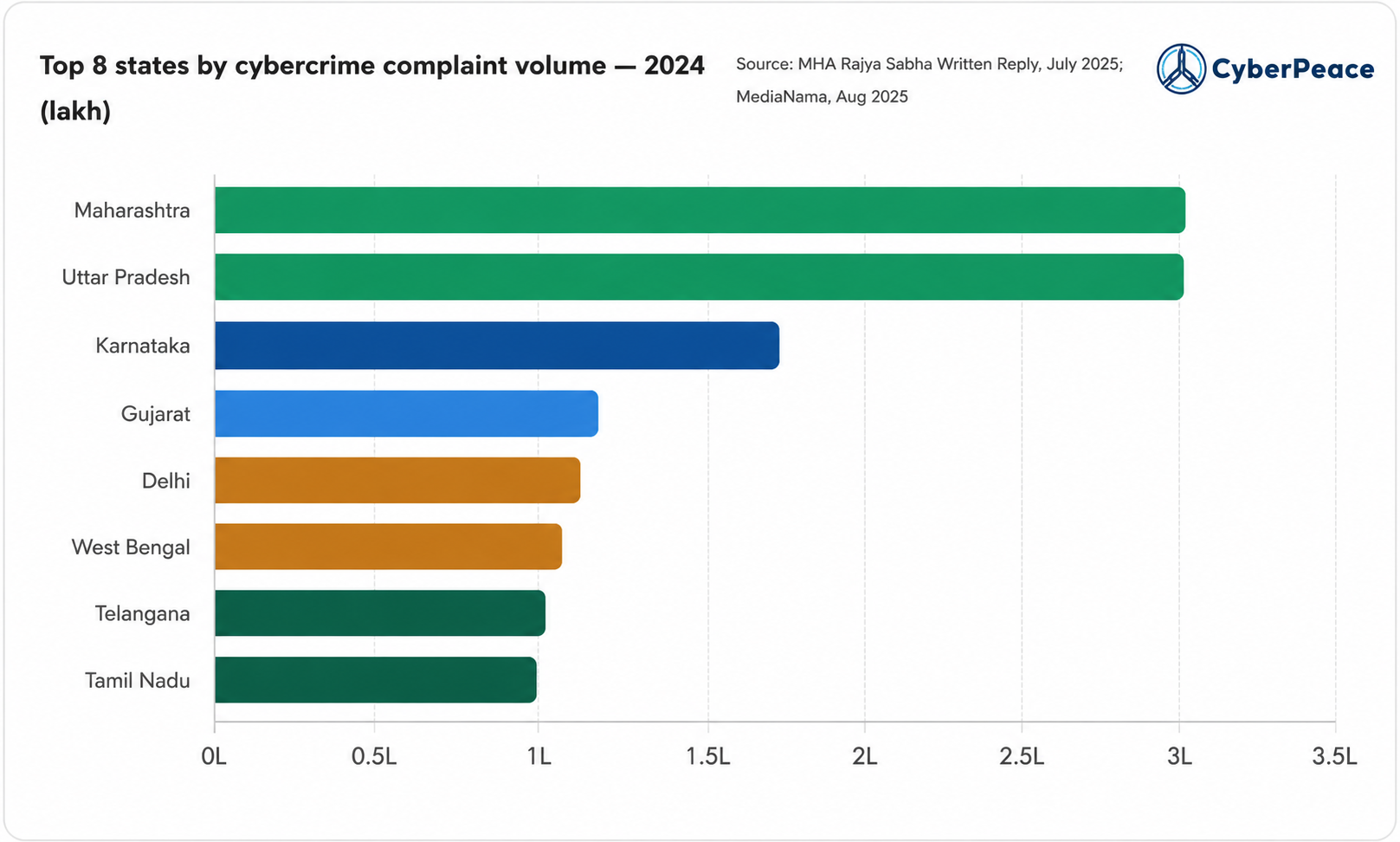
Maharashtra and UP register the highest volumes in total complaints at 3.03 lakh and 3.01 lakh, owing to them being the financial capital and most populous state, respectively. Karnataka, Gujarat, Delhi, WB, Telangana, TN, Rajasthan, and Haryana register above 1 lakh complaints each. However, the critical information that is being missed is that while complaint rate growth is the fastest in Tier 2 and 3 geographies (Haryana leads per-capita complaint rate with 381/100k people in 2023; Telangana (261); Uttarakhand (243)), this signifies rural digital growth as a risk multiplier.
Institutional Architecture: Mechanisms and Performances
India's institutional response to cybercrime, led by the Ministry of Home Affairs' Indian Cyber Crime Coordination Centre (I4C), is one of the world's largest real-time fraud detection and prevention ecosystems. The backbone of this is the Citizen Financial Cyber Fraud Reporting and Management System (CFCFRMS), which has onboarded over 700 banks, payment service providers, e-commerce portals, digital wallets, and, since the Standard Operating Procedure was issued on 2nd January 2026, virtual asset service providers and crypto exchanges. This interconnected network allows for prompt freezing of funds and timely fraud intervention during the 'golden hour' of a cybercrime report.
Institutional capacity is robust, with approximately 8,690 crore saved via the CFCFRMS since its inception for over 24.65 lakh complaints. The national cybercrime helpline (1930) receives close to 10,000 calls daily, while the Suspect Registry has enabled the rejection of 9,519 crore via the detection of 23.05 lakh suspect entities and 27.37 lakh mule accounts. In parallel, the CyTrain platform has expanded training by registering 151,081 police and judicial officers and issuing 142,025 certificates. Cyberforensic labs in all 33 States and Union Territories have received central assistance totalling 132.93 crore, and data-driven interstate crime analytics and offender linkages through the Samanvaya and Pratibimb platforms have led to 21,857 arrests.
Ecosystem Gaps
Through I4C, CFCFRMS, CyTrain, and the establishment of forensic infrastructure in states, India’s cybercrime ecosystem has greatly grown. But due to the rapid proliferation of cybercrime, systemic shortcomings are revealed regarding the restoration of victims, investigation, forensic capacity, cross-border enforcement, awareness, and stakeholder coordination:
- Victim Restitution Deficit: Although the total of ₹ 8,690 crore frozen has increased, the refund for victim compensation is limited to only ₹ 167 crore (2.18%) due to lengthy restoration processes relying on court orders.
- Forensic Capacity Limitations: 2 national, state-level, unevenly equipped cyber forensic labs can’t match the needs of over 10 million cybercrime complaints per year.
- Low conviction rate: The investigations of cybercrimes suffer from evidence collection and criminal proceedings, leading to limited conviction rates.
- Cross-border enforcement challenges: Many of the investment and digital arrest scams, in fact, are originating from Cambodia, Myanmar, and Laos, rendering the cybercrime response mechanisms of India helpless.
- Lack of Awareness: First-time digital users are quite prone to online scams and fraud, and many of the victims continue not reporting due to social stigma and lack of confidence.
- Partial Stakeholder Integration: Banks and small financial institutions, small companies, and emerging virtual asset providers not yet on board allow the money to slip through without being tracked.
CyberPeace Insights: Strategic Way Forward
India has already built a relatively mature response structure for cybercrime with I4C, CFCFRMS, and CyTrain and is coordinating the financial sector on it. The way ahead lies in outcome-oriented improvements and not just in the ability to report and intercept more. Here are the priority interventions that address the most important institutional shortcomings identified in the current ecosystem:
- Fast-track victim restoration: Introduce time-bound victim restoration mechanisms for low-value incidents through simplified processes and mandate national-level roll-out of successful Lok Adalat-based settlement mechanisms.
- District-level cyber forensics: Establish cyber forensic support units at the district level and enhance access to mobile, cloud, and blockchain forensic capabilities.
- AI-powered fraud prevention: Mandate deep-fake and voice-clone detection mechanisms across all financial institutions and telecom networks; embed predictive risk analytics into transaction screening frameworks.
- Cyber Suraksha Gram initiative: Increase digital fraud awareness across all common service centres, Jan Dhan enrollment schemes, and rural banking channels, and tackle the awareness asymmetry.
- Regional cybercrime coordination: Establish real-time, operational intelligence-sharing mechanisms with Southeast Asian economies, which have become home to large scam networks preying on Indian citizens.
- Specialised cyber prosecution ecosystem: Develop exclusive cyber courts, standardise digital evidence procedures, and broaden the scope of CyTrain to include the development of specialised cadres of investigators and prosecutors capable of handling increasingly complex cybercrime cases.
Conclusion
The 22,812 crore lost due to cybercrime in 2024 was more than a mere figure; it signifies a serious concern regarding citizen trust, economic security, and digital inclusion. Though India's institutional response to cybercrime is one of the largest, with an operational I4C and a CFCFRMS functioning in real time, the victim compensation and prosecution mechanism falls short. It's time for implementation: faster recovery of resources, increased enforcement, a larger scale of awareness, and finally, translating the institutional innovations into concrete justice for victims nationwide.
References
- https://sansad.in/getFile/annex/270/AU1341_tmaxdx.pdf?source=pqars
- https://www.mha.gov.in/MHA1/Par2017/pdfs/par2025-pdfs/LS02122025/452.pdf
- https://www.pib.gov.in/PressReleasePage.aspx?PRID=2244504®=3&lang=2
- https://static.pib.gov.in/WriteReadData/specificdocs/documents/2025/oct/doc2025107659501.pdf
- https://www.medianama.com/2025/08/223-india-cybercrime-500-percent-increase-2021-2024/
- https://theprint.in/india/cybercrime-saw-24-spike-in-2025-indians-lost-rs-22495-crore-mainly-in-investment-scams/2859930/

Amid protests against rising inflation in Iran, a video is being widely shared on social media showing people gathering on streets at night while using mobile phone flashlights. The video is being circulated with the claim that it shows recent protests in Iran. Cyber Peace Foundation’s research found that the video being shared as visuals from the ongoing protests in Iran is not real. Our investigation revealed that the viral video is AI-generated and has no connection with actual events on the ground.
Claim
On January 11, 2026, an Instagram user shared the video with a caption written in Spanish. The Hindi translation of the caption reads: “The Iranian government shut down the lights of protesters, but that did not stop them from remaining on the streets demanding that the Ayatollahs step down from power.”The post link, its archived version, and screenshots can be seen below: https://www.instagram.com/p/DTXqzayjqFz/

FactCheck:
To verify the claim, we extracted keyframes from the viral video and conducted a Google reverse image search.During this process, we found the same video uploaded on Instagram on January 11, 2026. In that post, the user explicitly stated that the video was created using AI. The caption reads that the streetlights were turned off to hide the scale of protesters, but people used their phone lights to show their presence, adding:
“I created this video using AI, inspired by tonight’s protests (January 10, 2026) in Tehran, Iran.” Link to the post and screenshot can be seen below: https://www.instagram.com/p/DTWXsHajNvl/

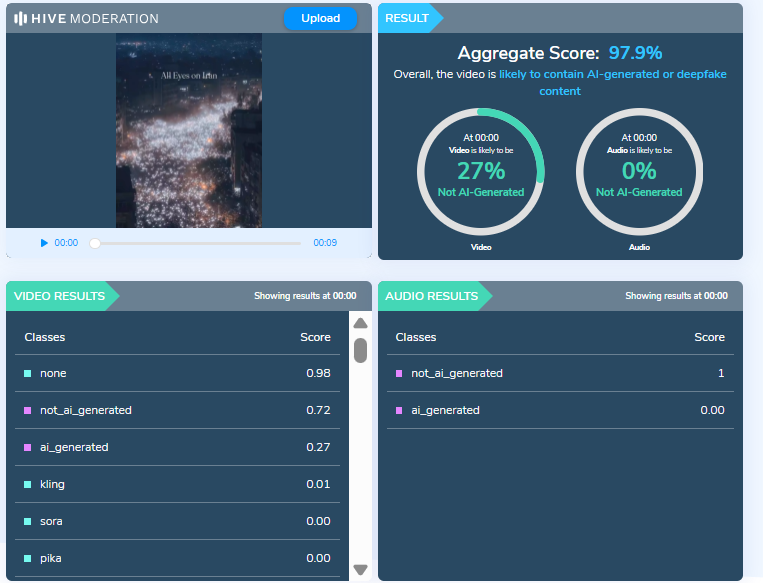
To further verify the authenticity of the video, we scanned it using multiple AI detection tools.Hive Moderation flagged the video as 97 percent AI-generated.
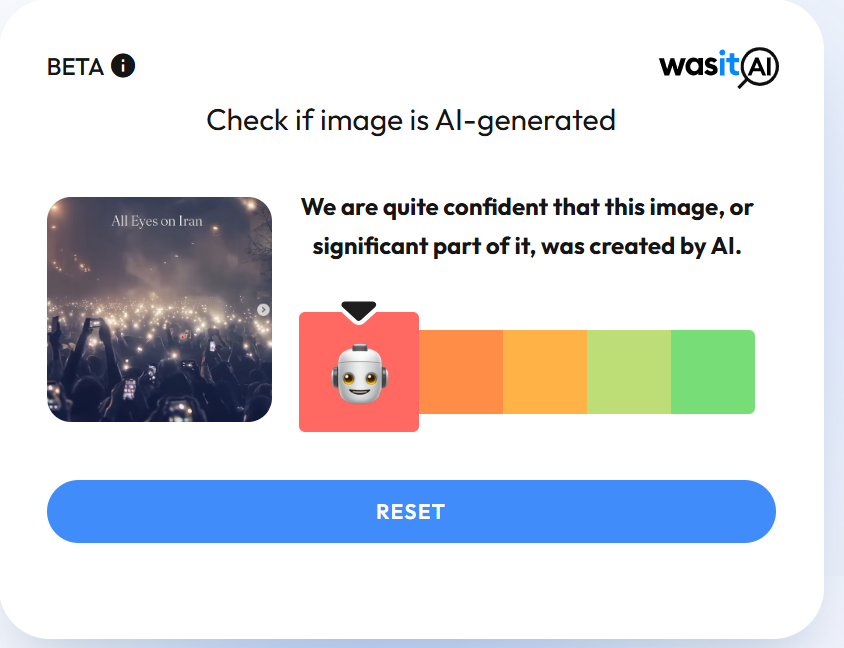
We also scanned the video using another AI detection tool, Wasitai, which likewise identified the video as AI-generated.
Conclusion
Our investigation confirms that the video being shared as footage from protests in Iran is not real. The viral video has been created using artificial intelligence and is being falsely linked to the ongoing protests. The claim circulating on social media is false and misleading.

Introduction
Law grows by confronting its absences, it heals through its own gaps. States often find themselves navigating a shared frontier without a mutual guide or lines of law in an era of expanding digital boundaries and growing cyber damages. The United Nations General Assembly ratified the United Nations Convention against Cybercrime on December 24, 2024, and more than sixty governments were in attendance in the signing ceremony on 24th & 25th October this year, marking a moment of institutional regeneration and global commitment.
A new Lexicon for Global Order
The old liberal order is being strained by growing nationalism, economic fracturing, populism, and great-power competition as often emphasised in the works of scholars like G. John Iken berry and John Mearsheimer. Multilateral arrangements become more brittle in such circumstances. Therefore, the new cybercrimes convention represents not only a legal tool but also a resurgence of international promise, a significant win for collective governance in an uncertain time. It serves as a reminder that institutions can be rebuilt even after they have been damaged.
In Discussion: The Fabric of the Digital Polis
The digital sphere has become a contentious area. On the one hand, the US and its allies support stakeholder governance, robust individual rights, and open data flows. On the other hand, nations like China and Russia describe a “post-liberal cyber order” based on state mediation, heavily regulated flows, and sovereignty. Instead of focusing on ideological dichotomies, India, which is positioned as both a rising power and a voice of the Global South, has offered a viewpoint based on supply-chain security, data localisation, and capacity creation. Thus, rather than being merely a regulation, the treaty arises from a framework of strategic recalibration.
What Changed & Why it Matters
There have been regional cybercrime accords up to this point, such as the Budapest Convention. The goal of this new international convention, which is accessible to all UN members, is to standardise definitions, evidence sharing and investigation instruments. 72 states signed the Hanoi signature event in October, 2025, demonstrating an unparalleled level of scope and determination. In addition to establishing structures for cooperative investigations, extradition, and the sharing of electronic evidence, it requires signatories to criminalise acts such as fraud, unlawful access to systems, data interference, and online child exploitation.
For the first time, a legally obligatory global architecture aims to harmonise cross-border evidence flows, mutual legal assistance, and national procedural laws. Cybercrime offers genuine promise for community defence at a time when it is no longer incidental but existential, attacks on hospitals, schools and infrastructure are now common, according to the Global Observatory.
Holding the Line: India’s Deliberate Path in the Age of Cyber Multilateralism
India takes a contemplative rather than a reluctant stance towards the UN Cybercrime Treaty. Though it played an active role during the drafting sessions and lent its voice to the shaping of global cyber norms, New Delhi is yet to sign the convention. Subtle but intentional, the reluctance suggests a more comprehensive reflection, an evaluation of how international obligations correspond with domestic constitutional protections, especially the right to privacy upheld by the Supreme Court in Puttaswamy v. UOI (2017).
Prudence is the reason for this halt. Policy circles speculate that the government is still assessing the treaty’s consequences for national data protection, surveillance regimes, and territorial sovereignty. Officials have not provided explicit justifications for India’s refusal to join. India’s position has frequently been characterised by striking a careful balance between digital sovereignty and taking part in cooperative international regimes. In earlier negotiations, India had even proposed including clauses to penalise “offensive messages” on social media, echoing the erstwhile Section 66A of the IT Act, 2000, but the suggestion found little international traction.
Advocates for digital rights such as Raman Jit Singh Chima of Access Now have warned that ensuring that the treaty’s implementation upholds constitutional privacy principles may be necessary for India to eventually endorse it. He contends that the treaty’s wording might not entirely meet India’s legal requirements in the absence of such voluntary pledges.
UN Secretary-General Antonio Guterres praised the agreement as “a powerful, legally binding instrument to strengthen our collective defences against “cybercrime” during its signing in Hanoi. The issue for India is to make sure that multilateral collaboration develops in accordance with constitutional values rather than to reject that vision. Therefore, the path forward is one of assertion rather than absence, careful march towards a cyber future that protects freedom and sovereignty.
