
#FactCheck - Viral Video of Anti-RSS Slogans Is From 2022 Telangana, Not Uttar Pradesh
Executive Summary
A video showing a group of people wearing Muslim caps raising provocative slogans against the Rashtriya Swayamsevak Sangh (RSS) is being widely shared on social media. Users sharing the clip claim that the incident took place recently in Uttar Pradesh. However, CyberPeace research found the claim to be false. The probe established that the video is neither recent nor related to Uttar Pradesh. In fact, the footage dates back to 2022 and is from Telangana. The slogans heard in the video were raised during a protest against Goshamahal MLA T. Raja Singh, and the clip is now being circulated with a misleading claim.
Claim
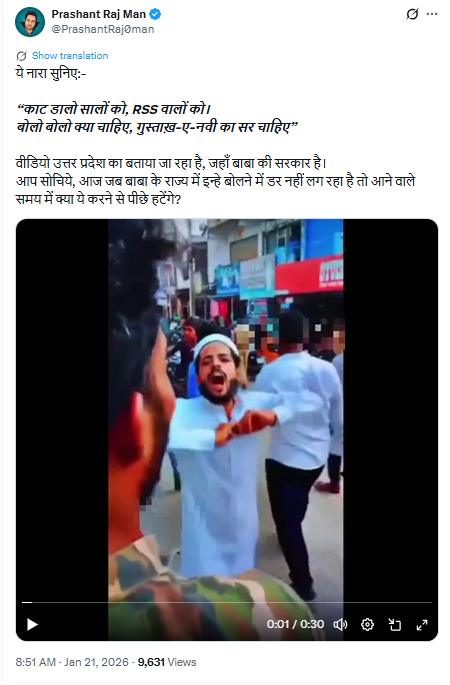
On January 21, 2026, a user on social media platform X (formerly Twitter) shared the video claiming it showed people in Uttar Pradesh chanting slogans such as, “Kaat daalo saalon ko, RSS walon ko” and “Gustakh-e-Nabi ka sar chahiye.” The post suggested that such slogans were being raised openly in Uttar Pradesh despite strict law enforcement. Links to the post and its archive are provided below.
Fact Check:
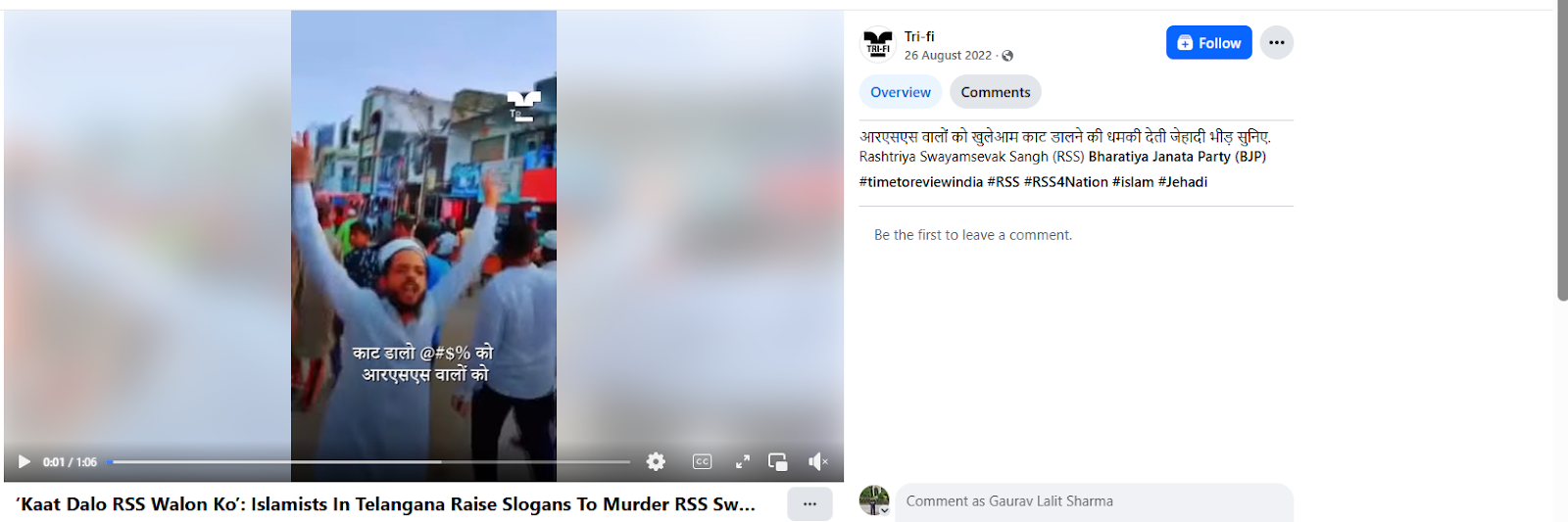
To verify the claim, CyberPeace research conducted a reverse image search using keyframes from the viral video. The same footage was found on a Facebook account where it had been uploaded on August 26, 2022, indicating that the video is not recent.
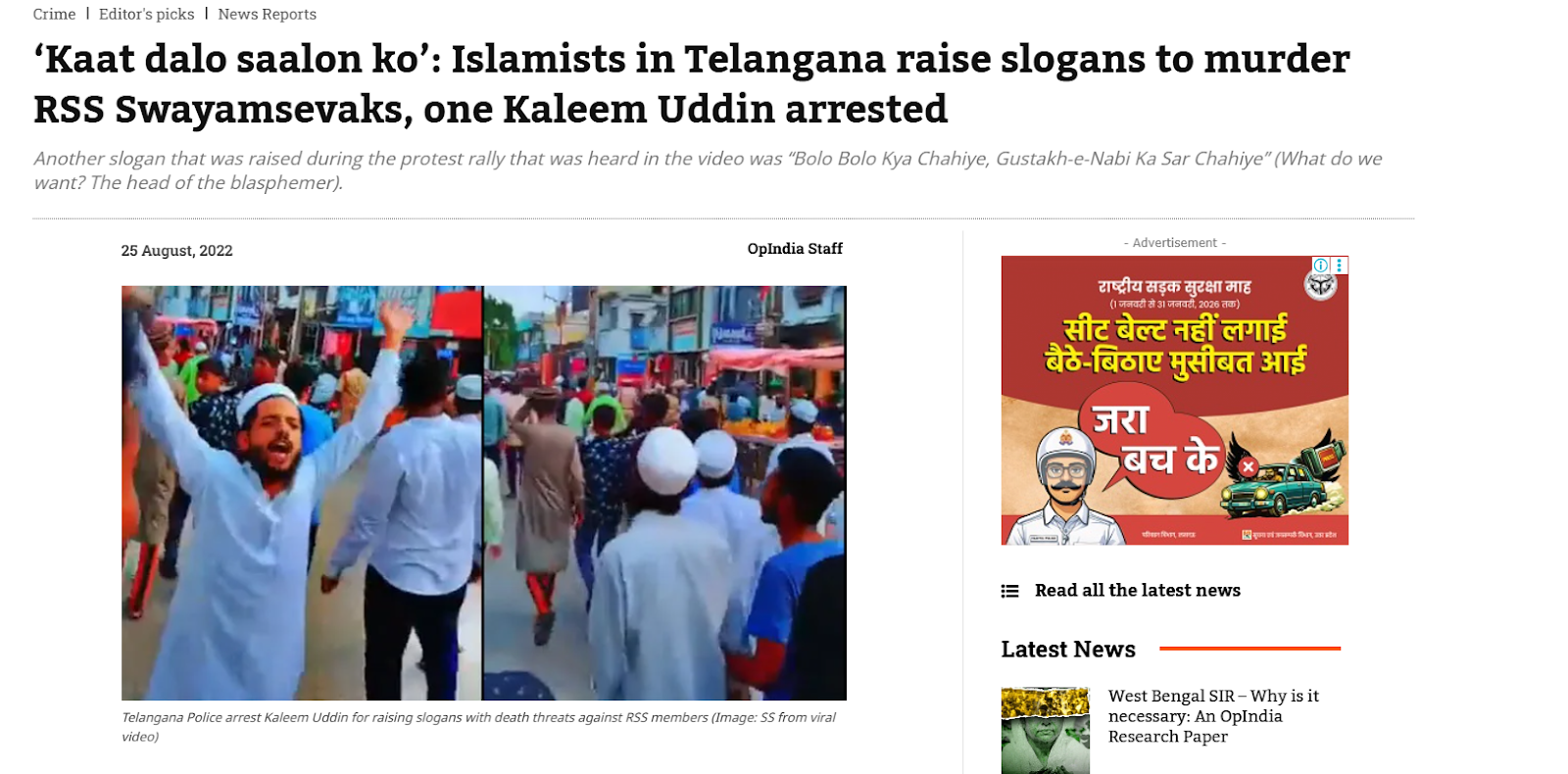
Further verification led the team to a report published by news portal OpIndia on August 25, 2022, which featured identical visuals from the viral clip. According to the report, the video showed a protest march organised against BJP MLA T. Raja Singh following his alleged controversial remarks about Prophet Muhammad. The report identified one of the individuals in the video as Kaleem Uddin, who was allegedly heard raising the slogan “Kaat daalo saalon ko,” to which the crowd responded “RSS walon ko.” The slogan was linked to incitement against RSS members.
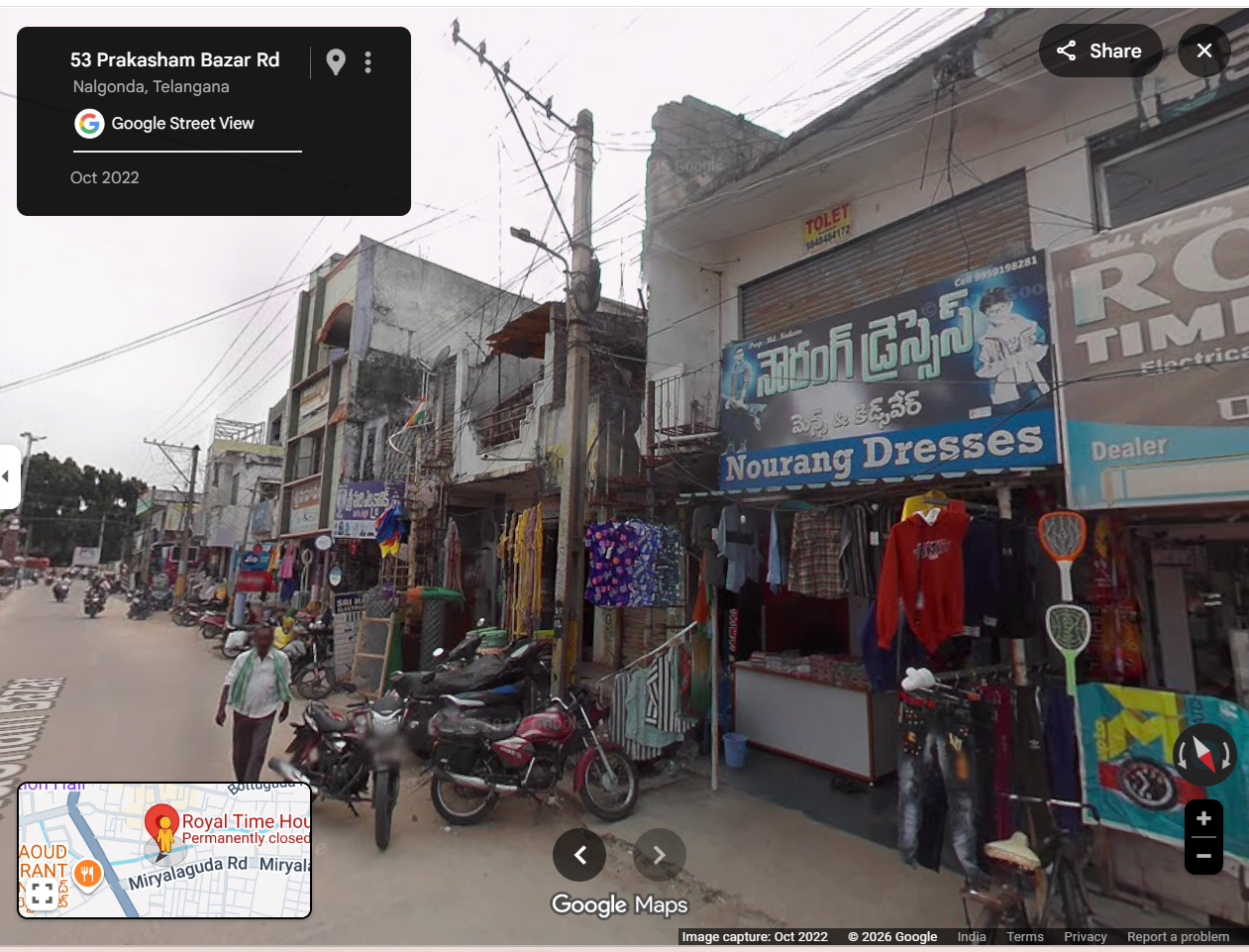
To confirm the location, the video was examined closely. A shop sign reading “Royal Time House” was visible in the footage. Using Google Street View, the same shop was located in Nalgonda, Telangana, conclusively establishing that the video was filmed there and not in Uttar Pradesh.
Conclusion
CyberPeace research confirmed that the viral video is from 2022 and was recorded in Telangana, not Uttar Pradesh. The clip is being falsely circulated with a misleading claim to give it a communal and political angle.

Related Blogs
The Digital Personal Data Protection (DPDP) Act, 2023, operationalises data privacy largely through a consent management framework. It aims to give data principles, ie, individuals, control over their personal data by giving them the power to track, change, and withdraw their consent from its processing. However, in practice, consent management is often not straightforward. For example, people may be frequently bombarded with requests, which can lead to fatigue and eventual overlooking of consent requests. This article discusses the way consent management is handled by the DPDP Act, and looks at how India can design the system to genuinely empower users while holding organisations accountable.
Consent Management in the DPDP Act
According to the DPDP Act, consent must be unambiguous, free, specific, and informed. It must also be easy for people to revoke their consent (DPO India, 2023). To this end, the Act creates Consent Managers- registered middlemen- who serve as a link between users and data custodians.
The purpose of consent managers is to streamline and centralise the consent procedure. Users can view, grant, update, or revoke consent across various platforms using the dashboards they offer. They hope to improve transparency and lessen the strain on people to keep track of permissions across different services by standardising the way consent is presented (IAPP, 2024).
The Act draws inspiration from international frameworks such as the GDPR (General Data Protection Regulation), mandating that Indian users be provided with a single platform to manage permissions rather than having to deal with dispersed consent prompts from every service.
The Challenges
Despite the mandate for an interoperable platform for consent management, several key challenges emerge. There is a lack of clarity on how consent management will be operationalised. This creates challenges of accountability and implementation. Thus, :
- If the interface is poorly designed, users could be bombarded with content permissions from apps/platforms/ services that are not fully compliant with the platform.
- If consent notices are vague, frequent, lengthy, or complex, users may continue to grant permissions without meaningful engagement.
- It leaves scope for data fiduciaries to use dark patterns to coerce customers into granting consent through poor UI/UX design.
- The lack of clear, standardised interoperability protocols across sectors could lead to a fragmented system, undermining the goal of a single, easy-to-use platform.
- Consent fatigue could easily appear in India's digital ecosystem, where apps, e-commerce websites, and government services all ask for permissions from over 950 million internet subscribers. Experiences from GDPR countries show that users who are repeatedly prompted eventually become banner blind, which causes them to ignore notices entirely.
- Low levels of literacy (including digital literacy) and unequal access to digital devices among women and marginalised communities create complexities in the substantive coverage of privacy rights.
- Placing the burden of verification of legal guardianship for children and persons with disabilities (PwDs) on data fiduciaries might be ineffective, as SMEs may lack the resources to undertake this activity. This could create new forms of vulnerability for the two groups.
Legal experts claim that this results in what they refer to as a legal fiction, wherein consent is treated as valid by the law despite the fact that it does not represent true understanding or choice (Lawvs, 2023). Additionally, research indicates that users hardly ever read privacy policies in their entirety. People are very likely to tick boxes without fully understanding what they are agreeing to. By drastically limiting user control, this has a bearing on the privacy rights of Indian citizens and residents. (IJLLR, 2023).
Impacts of Weak Consent Management:
According to the Indian Journal of Law and Technology, in an era of asymmetry and information overload, privacy cannot be sufficiently protected by relying only on consent (IJLT, 2023). Almost every individual will be impacted by inadequate consent management.
- For Users: True autonomy is replaced by the appearance of control. Individuals may unintentionally disclose private information, which undermines confidence in digital services.
- For Businesses: Compliance could become a mere formality. Further, if acquired consent is found to be manipulated or invalid, it creates space for legal risks and reputational damage.
- For Regulators: It becomes difficult to oversee a system where consent is frequently disregarded or misinterpreted. When consent is merely formal, the law's promise to protect personal information is undermined.
Way Forward
- Layered and Simplified Notices: Simple language and layers of visual cues should be used in consent requests. Important details like the type of data being gathered, its intended use, and its duration should be made clear up front. Additional explanations are available for users who would like more information. This method enhances comprehension and lessens cognitive overload (Lawvs, 2023).
- Effective Dashboards: Dashboards from consent managers should be user-friendly, cross-platform, and multilingual. Management is made simple by features like alerts, one-click withdrawal or modification, and summaries of active permissions. The system is more predictable and dependable when all services use the same format, which also reduces confusion (IAPP, 2024).
- Dynamic and Contextual Consent: Instead of appearing as generic pop-ups, consent requests should show up when they are pertinent to a user's actions. Users can make well-informed decisions without feeling overburdened by subtle cues, such as emphasising risks when sensitive data is requested (IJLLR, 2023).
- Accountability of Consent Managers: Organisations that offer consent management services must be accountable and independent, through clear certification, auditing, and specific legal accountability frameworks. Even when formal consent is given, strong trustee accountability guarantees that data is not misused (IJLT, 2023).
- Complementary Protections Beyond Consent: Consent continues to be crucial, but some high-risk data processing might call for extra protections. These may consist of increased responsibilities for fiduciaries or proportionality checks. These steps improve people's general protection and lessen the need for frequent consent requests (IJLLR, 2023).
Conclusion
The core of the DPDP Act is to empower users to have control over their data through measures such as consent management. But requesting consent is insufficient; the system must make it simple for people to manage, monitor, and change it. Effectively designed, managed, and executed consent management has the potential to revolutionise user experience and trust in India's digital ecosystem if it is implemented carefully.To make consent management genuinely meaningful, it is imperative to standardise procedures, hold fiduciaries accountable, simplify interfaces, and investigate supplementary protections.
References
Building Trust with Technology: Consent Management Under India’s DPDP Act, 2023
Consent Fatigue and Data Protection Laws: Is ‘Informed Consent’ a Legal Fiction
Beyond Consent: Enhancing India's Digital Personal Data Protection Framework
Top 10 operational impacts of India’s DPDPA – Consent management
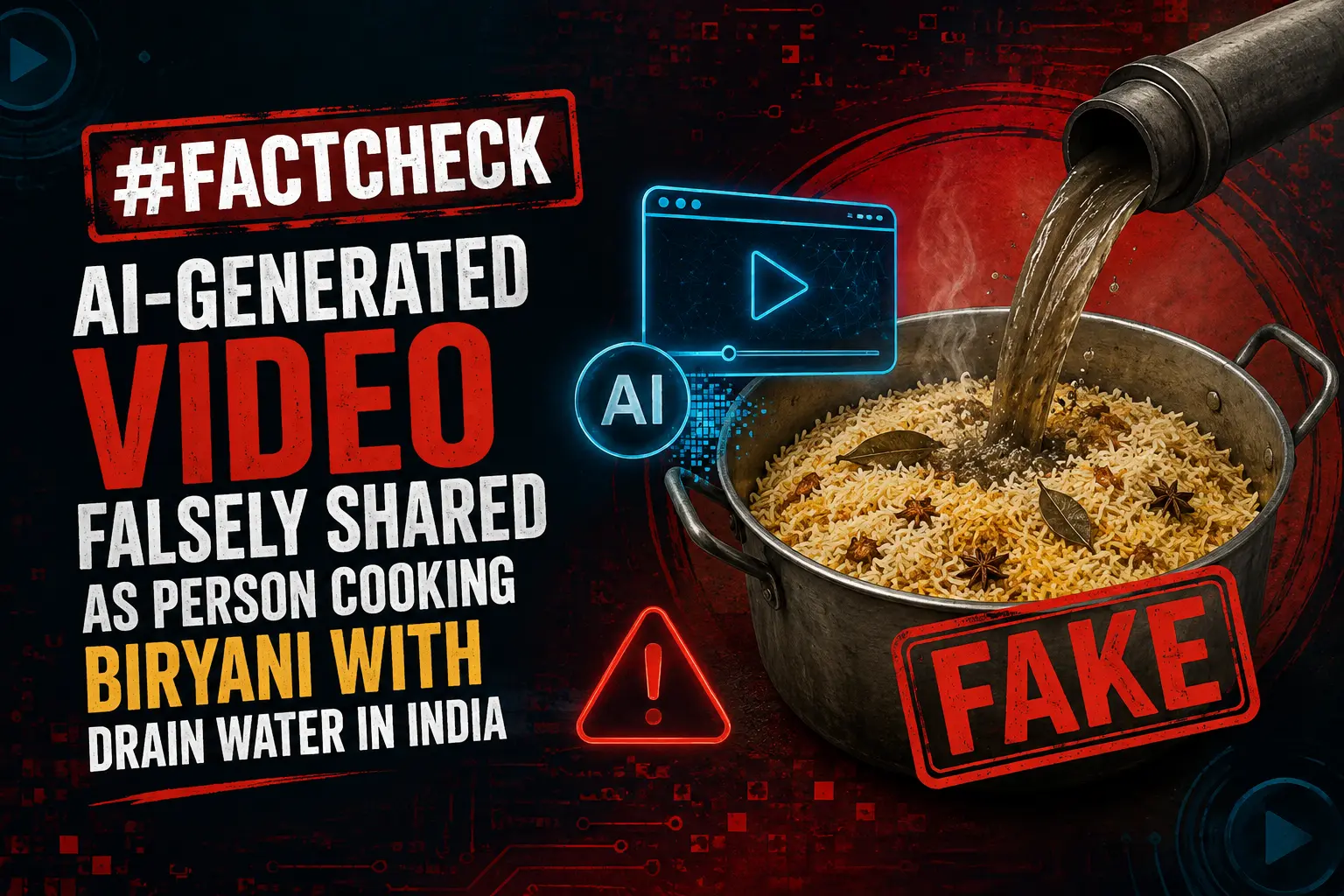
Executive Summary
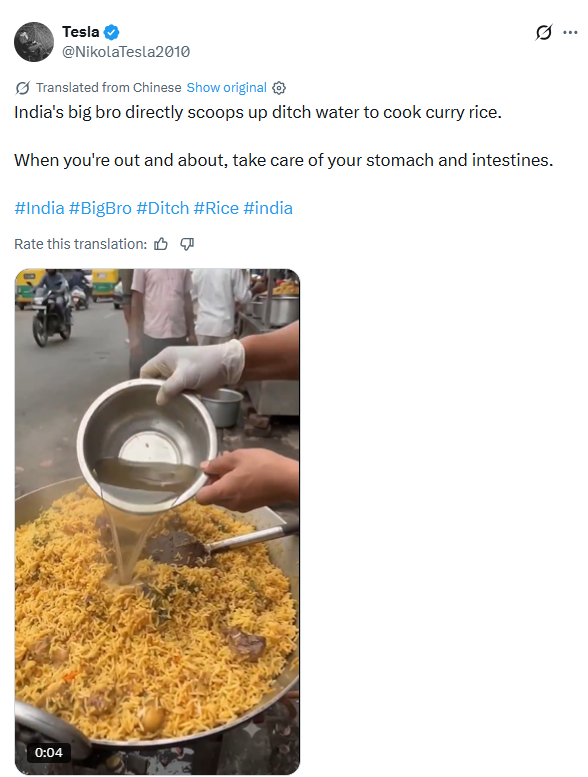
A video is being widely shared on social media, purportedly showing a person drawing water from a drain and using it to cook biryani. The video is being shared as being from India. Some users sharing the video are also advising people to take care of their stomach and intestinal health while eating and drinking outside. A research done by the Research Wing of the CyberPeace found that the viral video is not authentic but AI-generated and is being shared with a misleading claim.
Claim:
A user on the social media platform Facebook shared the viral video with the caption: “A person in India is cooking biryani using water from a drain.” The post link, archive link and screenshot are provided below.
https://x.com/NikolaTesla2010/status/2094021398113226802?s=20
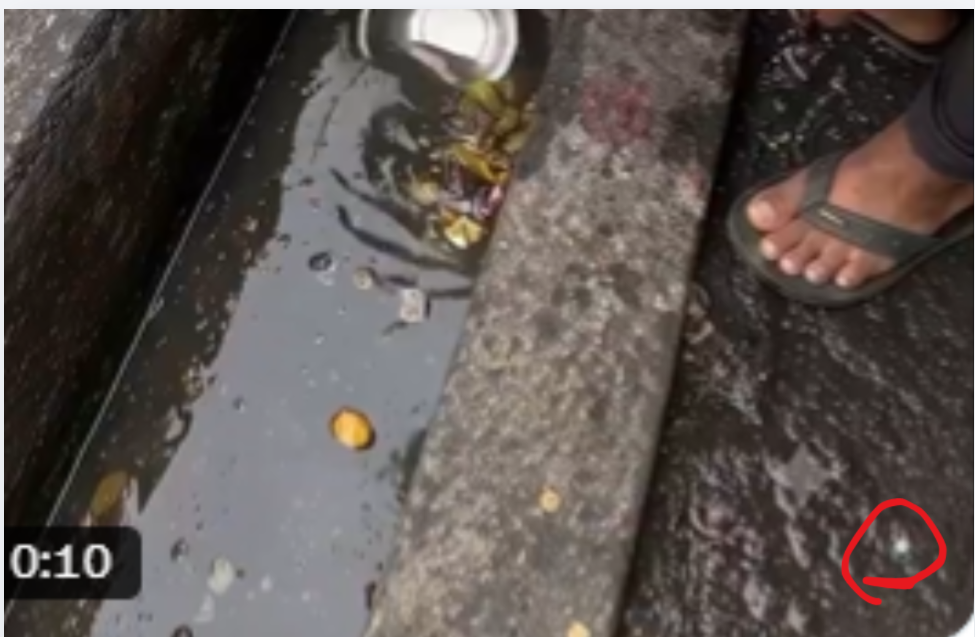
Fact Check:
Upon closely examining the viral video, we noticed the Google Gemini logo clearly visible in the bottom-right corner. This raised suspicions that the video could be AI-generated.
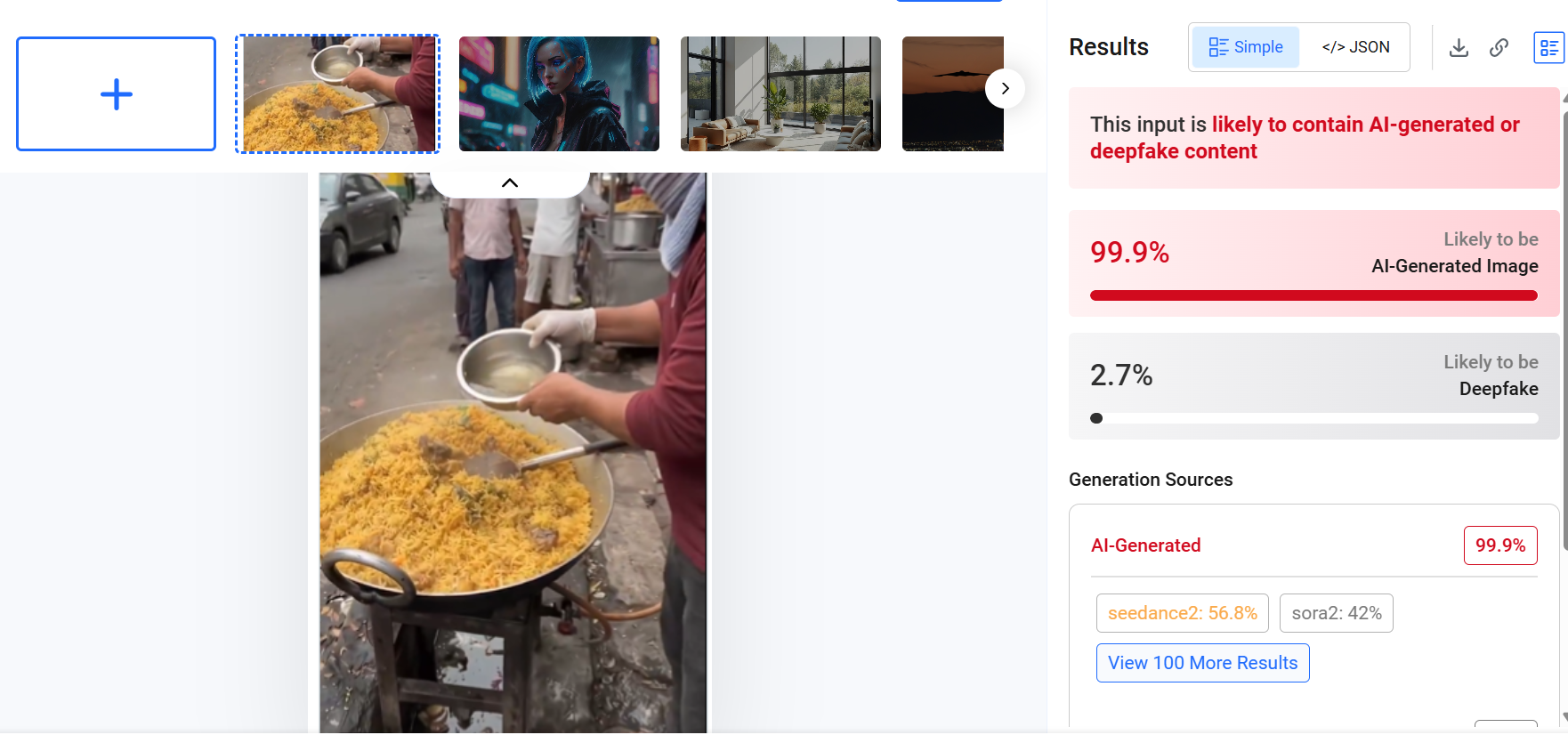
As part of our research, we ran the video through the AI detection tool Hive Moderation. According to the results, the viral video is 99 percent likely to be AI-generated.
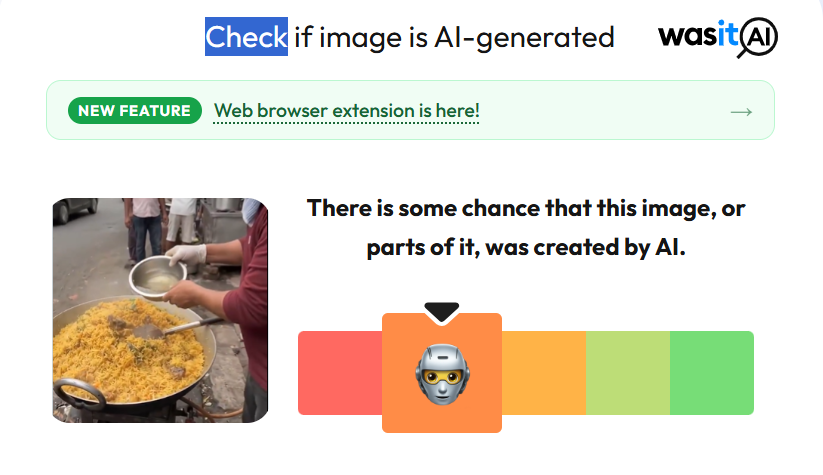
As part of our research, we scanned the video using WasIt AI. According to the results, the viral video is AI-generated.
Conclusion
The evidence gathered during our research establishes that the viral video claiming to show a person cooking biryani using water from a drain in India is misleading. The Google Gemini logo is clearly visible in the video, while AI detection tools Hive Moderation and WasIt AI also identified the footage as AI-generated. Therefore, the video does not depict a genuine incident.
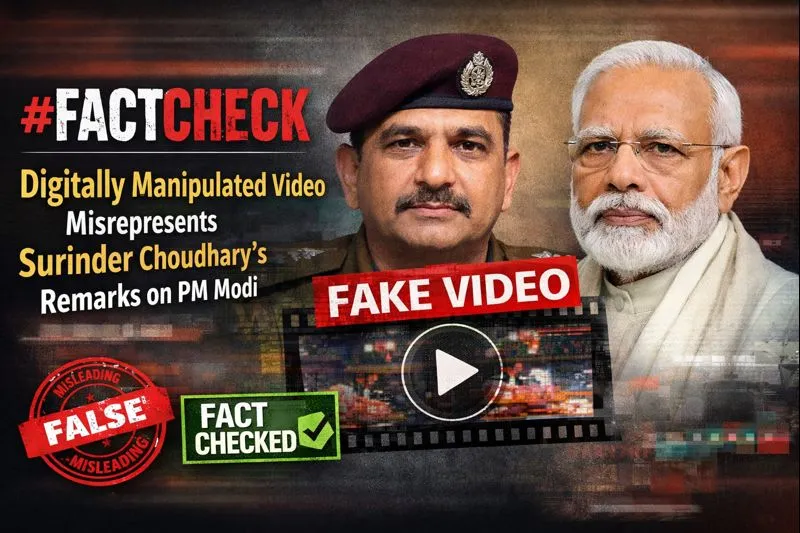
Executive Summary
A video circulating on social media claims that Jammu and Kashmir Deputy Chief Minister Surinder Choudhary described Prime Minister Narendra Modi as an agent of Pakistan’s Inter-Services Intelligence (ISI). In the viral clip, Choudhary is allegedly heard accusing the Prime Minister of pushing Kashmir towards Pakistan and claiming that even pro-India Kashmiris are disillusioned with Modi’s policies.
However, research by the CyberPeace research wing has found that the video is digitally manipulated. While the visuals are genuine and taken from a real media interaction, the audio has been fabricated and falsely overlaid to misattribute inflammatory remarks to the Deputy Chief Minister.
Claim
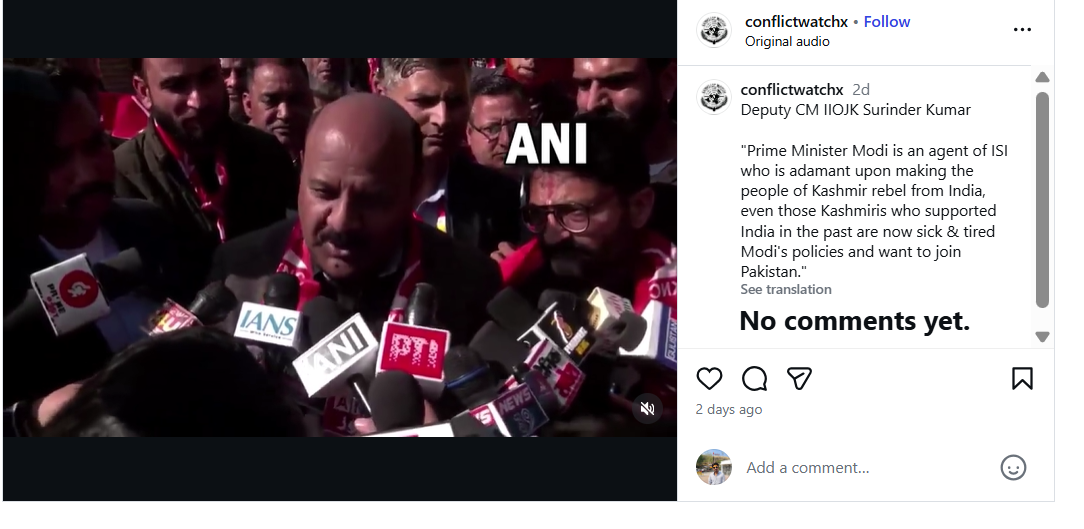
An Instagram account named Conflict Watch shared the video on January 20, claiming that J&K Deputy Chief Minister Surinder Choudhary had called Prime Minister Modi an ISI agent. The video purportedly quoted Choudhary as saying that Modi was elected with Pakistan’s support and that Kashmir would soon become part of Pakistan due to his policies.
Here is the link and archive link to the post, along with a screenshot.
Fact Check:
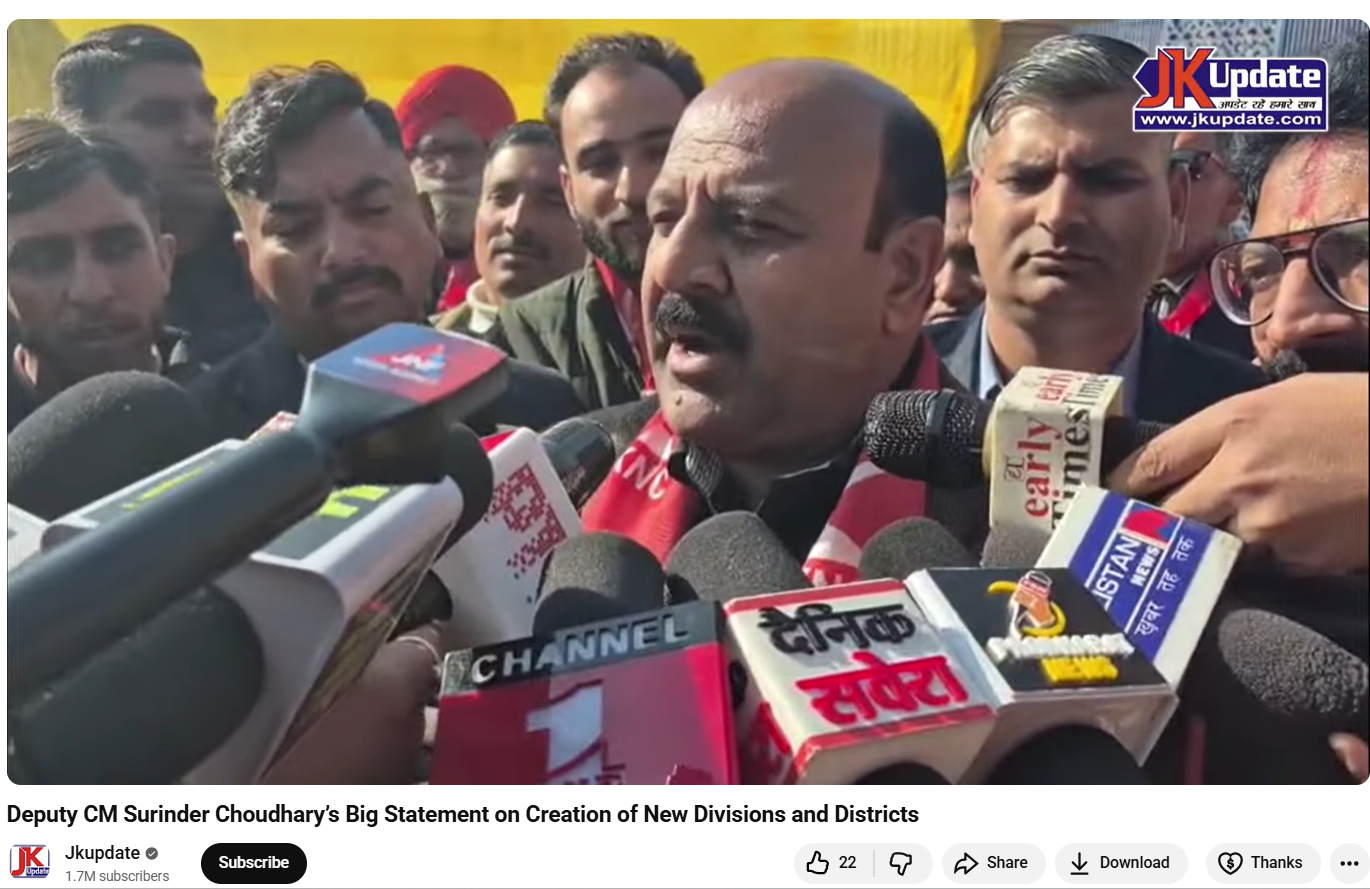
To verify the claim, the Desk conducted a Google Lens search, which led to a video uploaded on January 20, 2026, on the official YouTube channel of Jammu and Kashmir–based news outlet JKUpdate. The footage was an extended version of the viral clip and featured identical visuals. The original video showed Surinder Choudhary addressing the media on the sidelines of the inaugural two-day JKNC Convention of Block Presidents and Secretaries in the Jammu province. A review of the full media interaction revealed that Choudhary did not make any statements calling Prime Minister Modi an ISI agent or suggesting that Kashmir should join Pakistan.
Instead, in the original footage, Choudhary was seen criticising former Jammu and Kashmir Chief Minister and PDP leader Mehbooba Mufti for supporting the BJP during the bifurcation of Jammu and Kashmir and Ladakh into two Union Territories. He also spoke about the challenges faced by the region after the abrogation of Article 370 and demanded the restoration of full statehood for Jammu and Kashmir. During the interaction, Choudhary said that anyone attempting to divide Jammu and Kashmir at the state or regional level was effectively following Pakistan’s agenda and Jinnah’s two-nation theory. He added that such individuals could not be considered patriots.
Here is the link to the video, along with a screenshot.
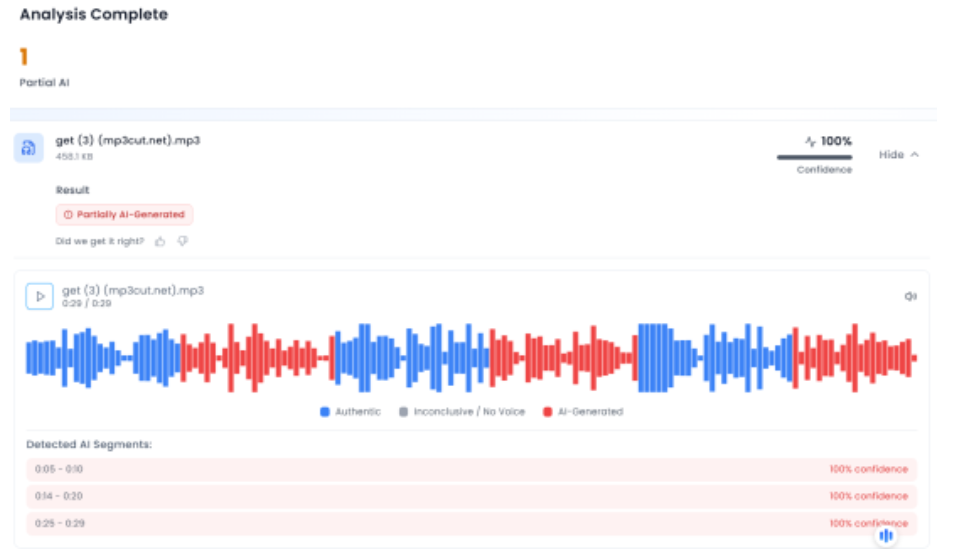
In the next phase of the research , the Desk extracted the audio from the viral clip and analysed it using the AI-based audio detection tool Aurigin. The analysis indicated that the voice in the viral video was partially AI-generated, further confirming that the clip had been tampered with.
Below is a screenshot of the result.
Conclusion
Multiple social media users shared a video claiming it showed Jammu and Kashmir Deputy Chief Minister Surinder Choudhary calling Prime Minister Narendra Modi an agent of the ISI. However, the CyberPeace found that the viral video was digitally manipulated. While the visuals were taken from a genuine media interaction with the leader, a fabricated audio track was overlaid to attribute the statements to him falsely.
