
#FactCheck! Viral Image Claiming Virat Kohli and Rohit Sharma Visited Kedarnath Is AI-Generated
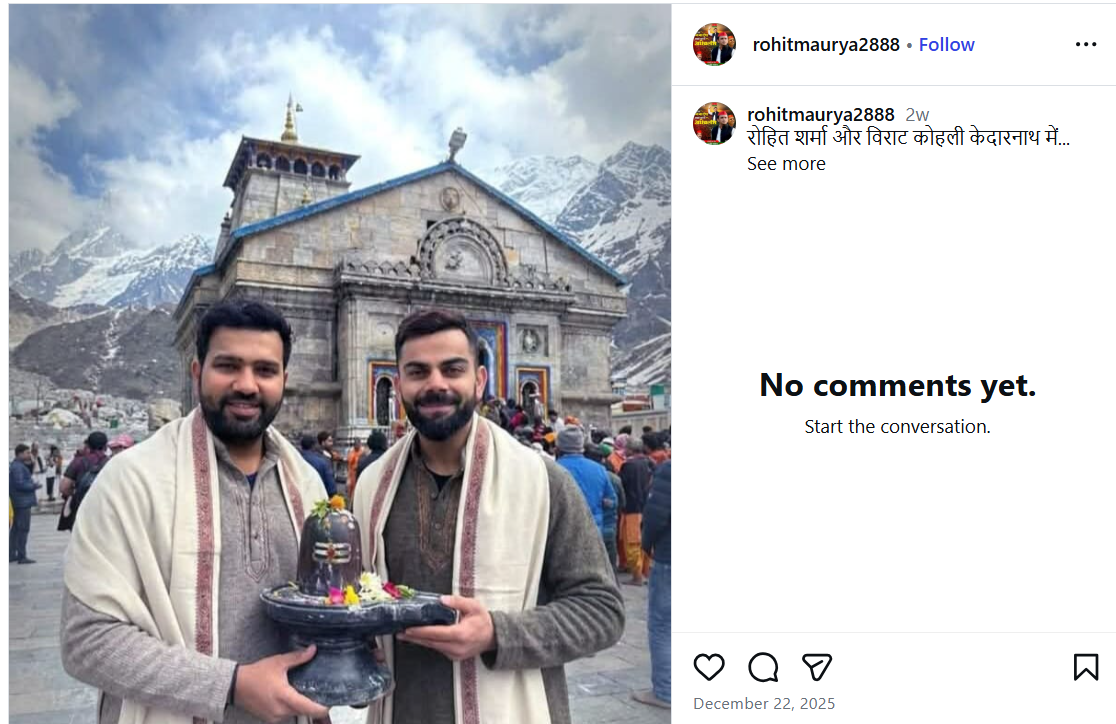
A photo featuring Indian cricketers Virat Kohli and Rohit Sharma is being widely shared on social media. In the image, both players are seen holding a Shivling, with the Kedarnath temple visible in the background. Users sharing the image claim that Virat Kohli and Rohit Sharma recently visited Kedarnath.
However, CyberPeace Foundation’s investigation found the claim to be false. Our verification established that the viral image is not real but has been created using Artificial Intelligence (AI) and is being circulated with a misleading narrative.
The Claim
An Instagram user shared the viral image on December 22, 2025, with the caption stating that Rohit Sharma and Virat Kohli are in Kedarnath. The post has since been widely reshared by other users, who assumed the image to be authentic. Link, archive link, screenshot:
Fact Check
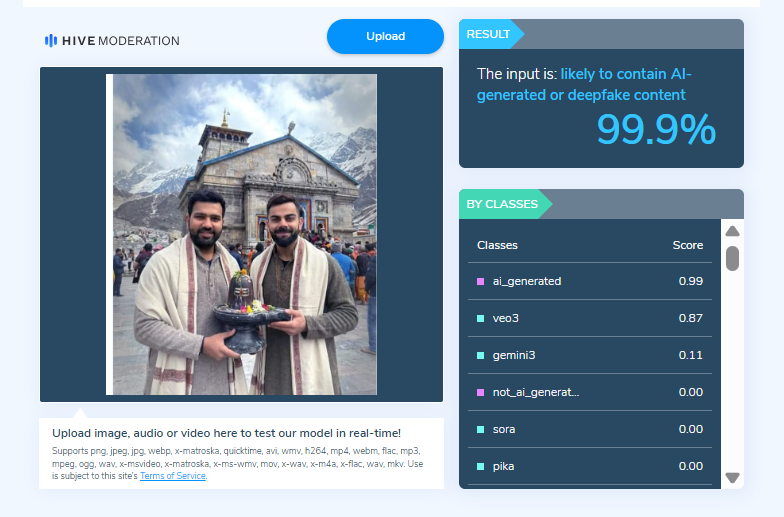
On closely examining the viral image, the Desk noticed visual inconsistencies suggesting that it may be AI-generated. To verify this, the image was scanned using the AI detection tool HIVE Moderation. According to the results, the image was found to be 99 per cent AI-generated.
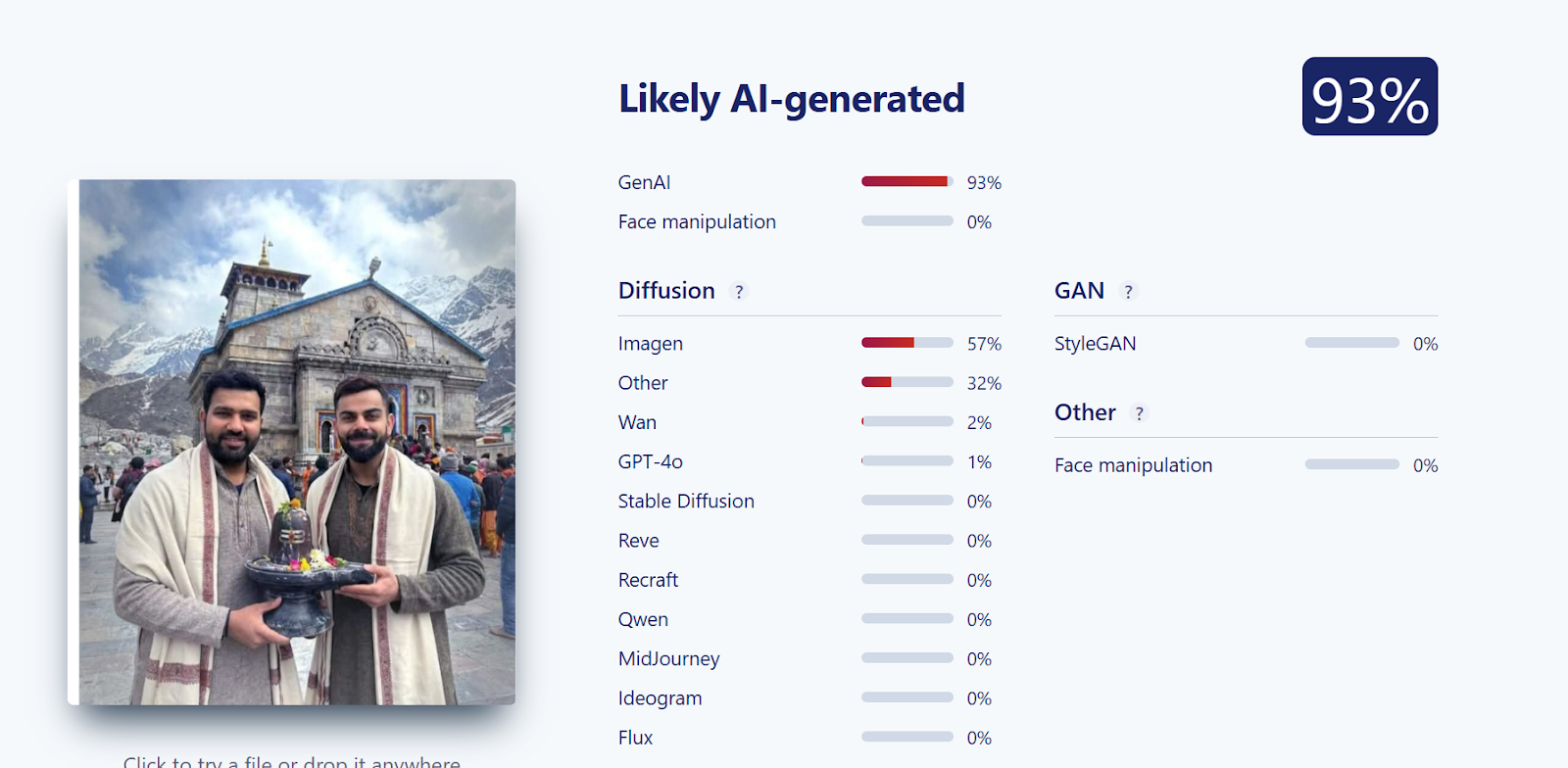
Further verification was conducted using another AI detection tool, Sightengine. The analysis revealed that the image was 93 per cent likely to be AI-generated, reinforcing the findings from the previous tool.
Conclusion
CyberPeace Foundation’s research confirms that the viral image claiming Virat Kohli and Rohit Sharma visited Kedarnath is fabricated. The image has been generated using AI technology and is being falsely shared on social media as a real photograph.

Related Blogs
Executive Summary
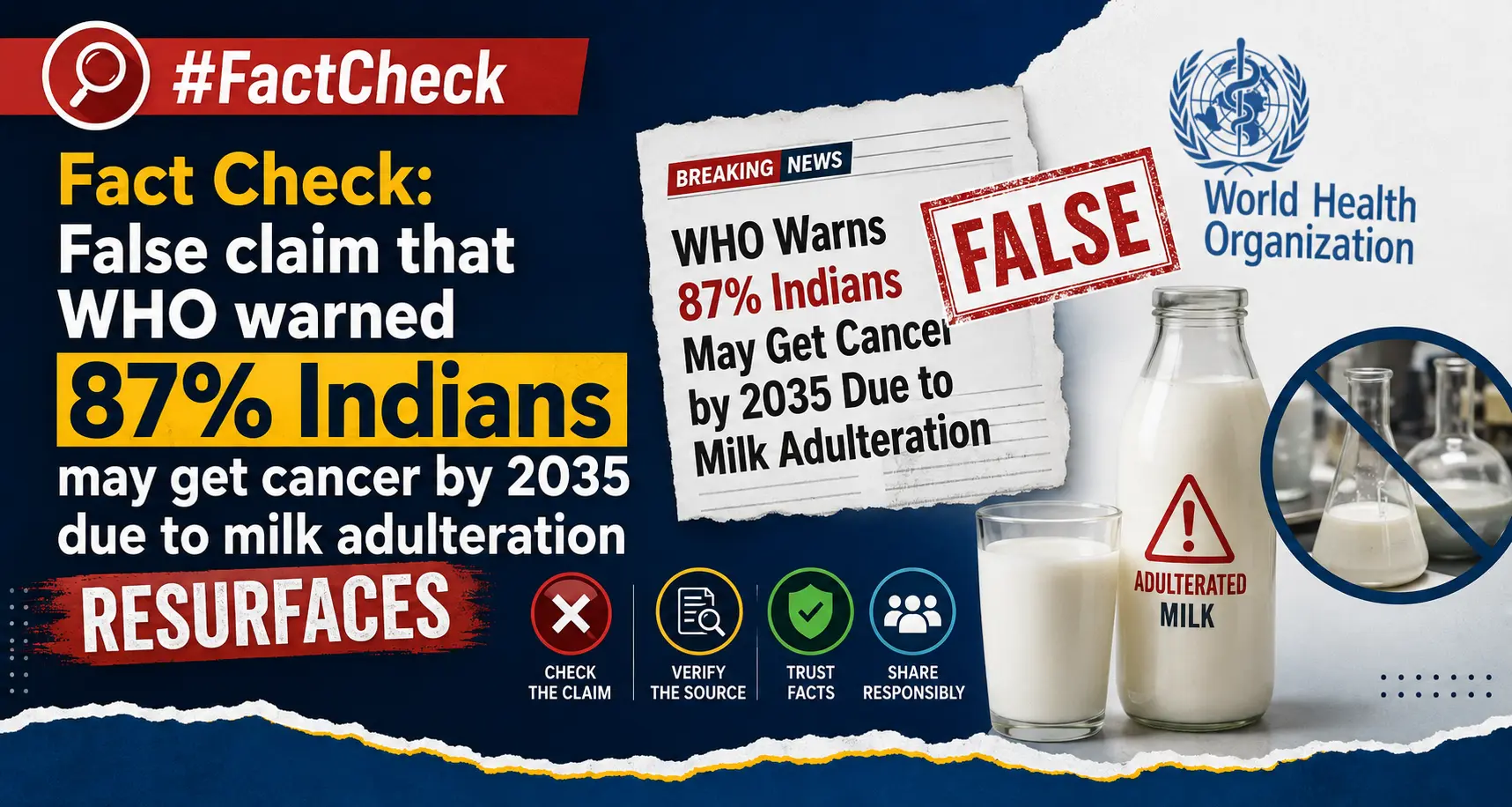
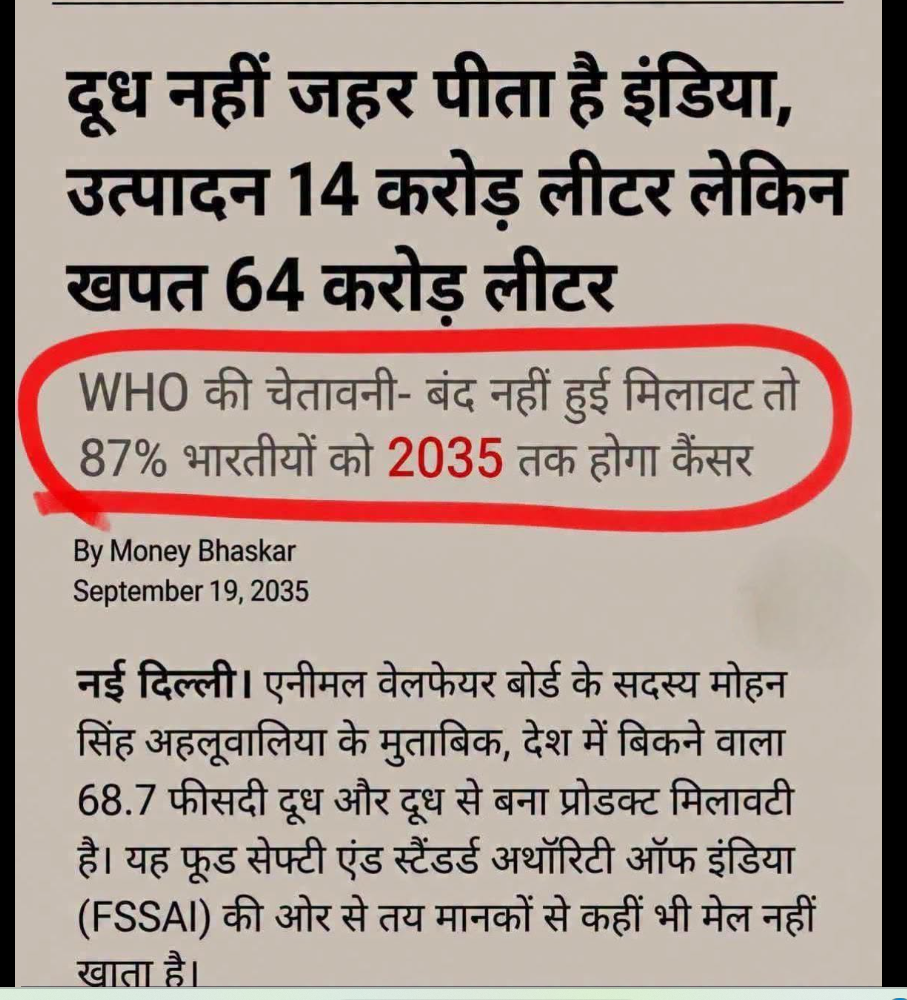
A post is going viral across various social media platforms claiming that the World Health Organization (WHO) has issued a warning over the issue of adulteration in food products. According to the claim, WHO has warned that milk adulteration is continuously increasing in India and if it continues, 87 percent of Indians will suffer from cancer by 2035. CyberPeace Research Wing’s research found that the viral claim has been circulating on social media for several years. Earlier, the same claim was shared with the year changed to 2025, stating that 87 percent of Indians would suffer from cancer by that year. Now, the year has been changed from 2025 to 2035 and the claim is being circulated again. WHO has repeatedly denied this claim and termed it fake news.
Claim:
A Facebook user named ‘Vikalp Kuchamancity’ shared the viral post on August 3, 2026, with a caption claiming, “India produces 14 crore litres of milk, but consumption is 64 crore litres. Where does this extra milk come from? WHO has warned that if adulteration is not stopped, 87 percent of Indians may suffer from cancer by 2035.”
https://www.facebook.com/photo/?fbid=968660469565357&set=a.109816988783047
Fact Check:
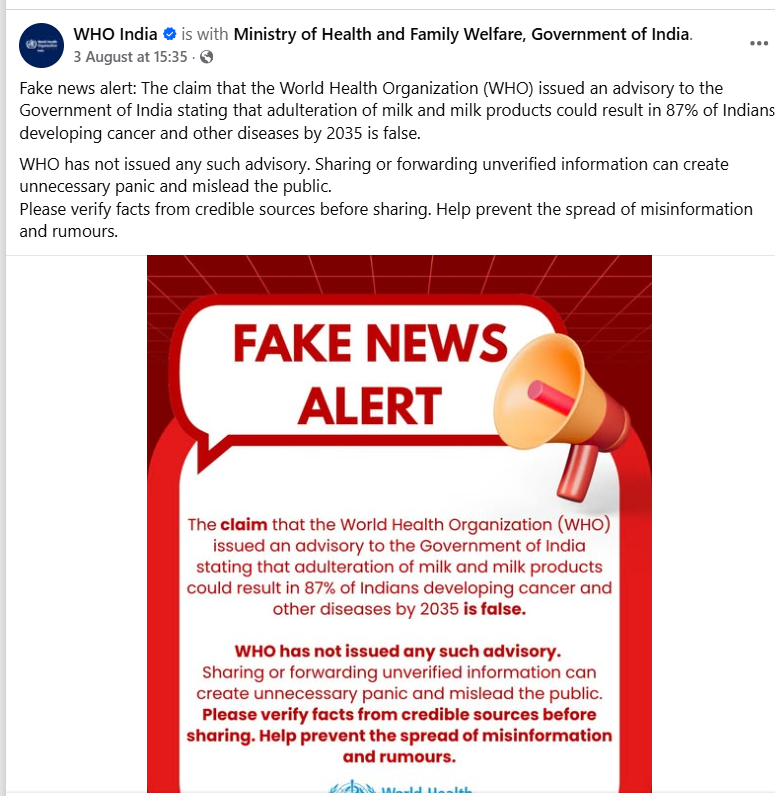
While examining the viral post, we noticed that the report displayed in the image carries the date September 19, 2035, even though the current year is 2026. This raised initial doubts about the authenticity of the claim.To investigate further, we conducted a Google search using relevant keywords. During the search, we found a post from the official Facebook page of WHO India, shared on August 3, 2026. The post denied the viral claim and stated that it is false that WHO issued any advisory to the Indian government warning that adulteration in milk and dairy products could lead to cancer and other diseases among 87 percent of Indians by 2035. WHO clarified that no such advisory has been issued.
WHO India Facebook link:
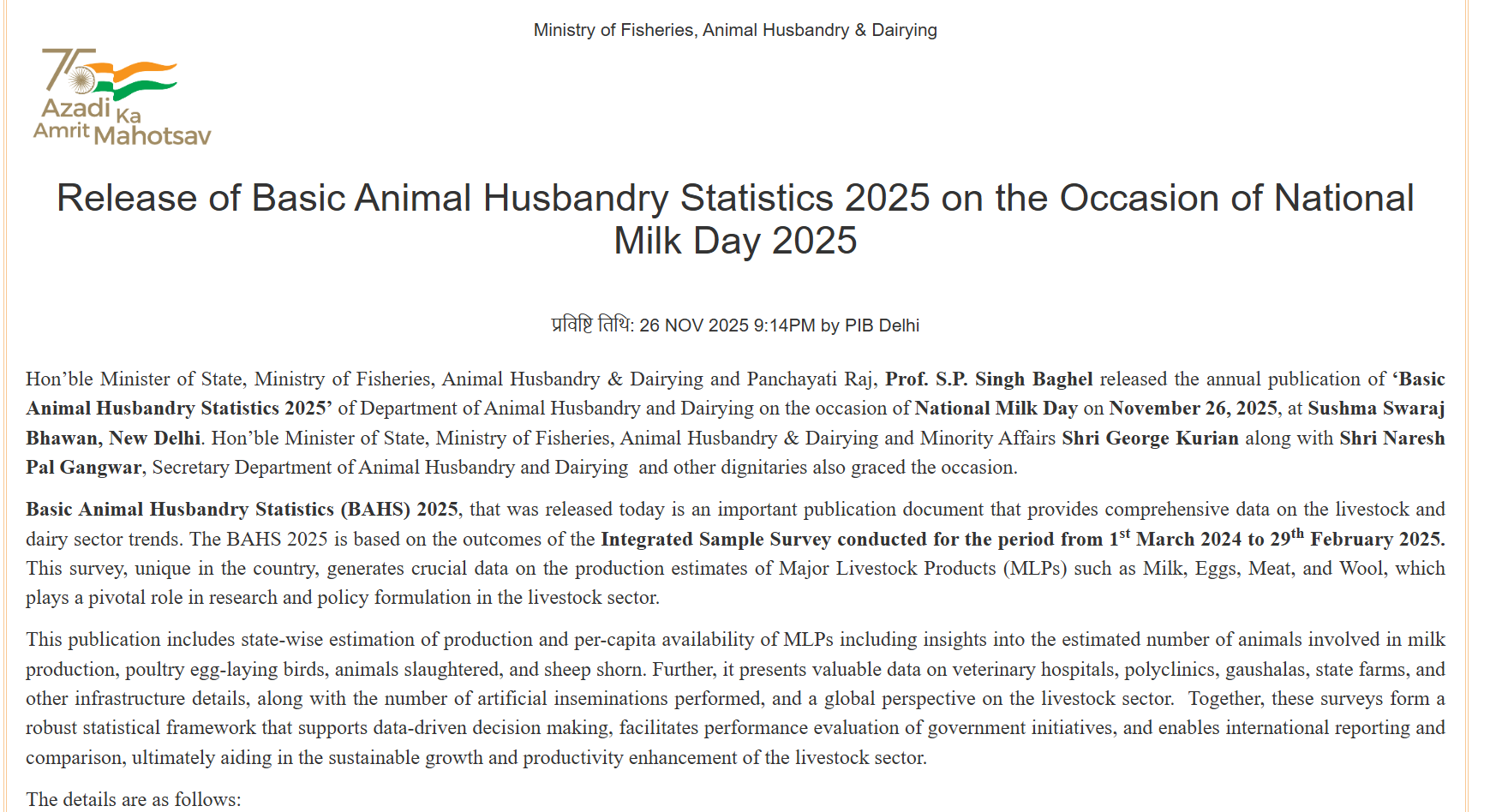
According to data mentioned in a press release issued by the Government of India on November 26, 2025, the country’s total milk production was estimated at 247.87 million tonnes in 2024-25, compared to 239.30 million tonnes in 2023-24. The per capita availability of milk increased from 319 grams per day in 2014-15 to 485 grams per day in 2024-25. The top five milk-producing states are Uttar Pradesh (15.66%), Rajasthan (14.82%), Madhya Pradesh (9.12%), Gujarat (7.78%), and Maharashtra (6.71%). Together, these states contribute 54.09% of India’s total milk production.
https://www.pib.gov.in/PressReleasePage.aspx?PRID=2195049®=3&lang=2
Conclusion:
The research confirmed that there is no evidence of any WHO warning stating that 87 percent of Indians could develop cancer by 2035 due to milk adulteration. WHO has clarified that it has not issued any such advisory. The viral claim is a recycled false claim that has been repeatedly circulated with changed dates.
Executive Summary
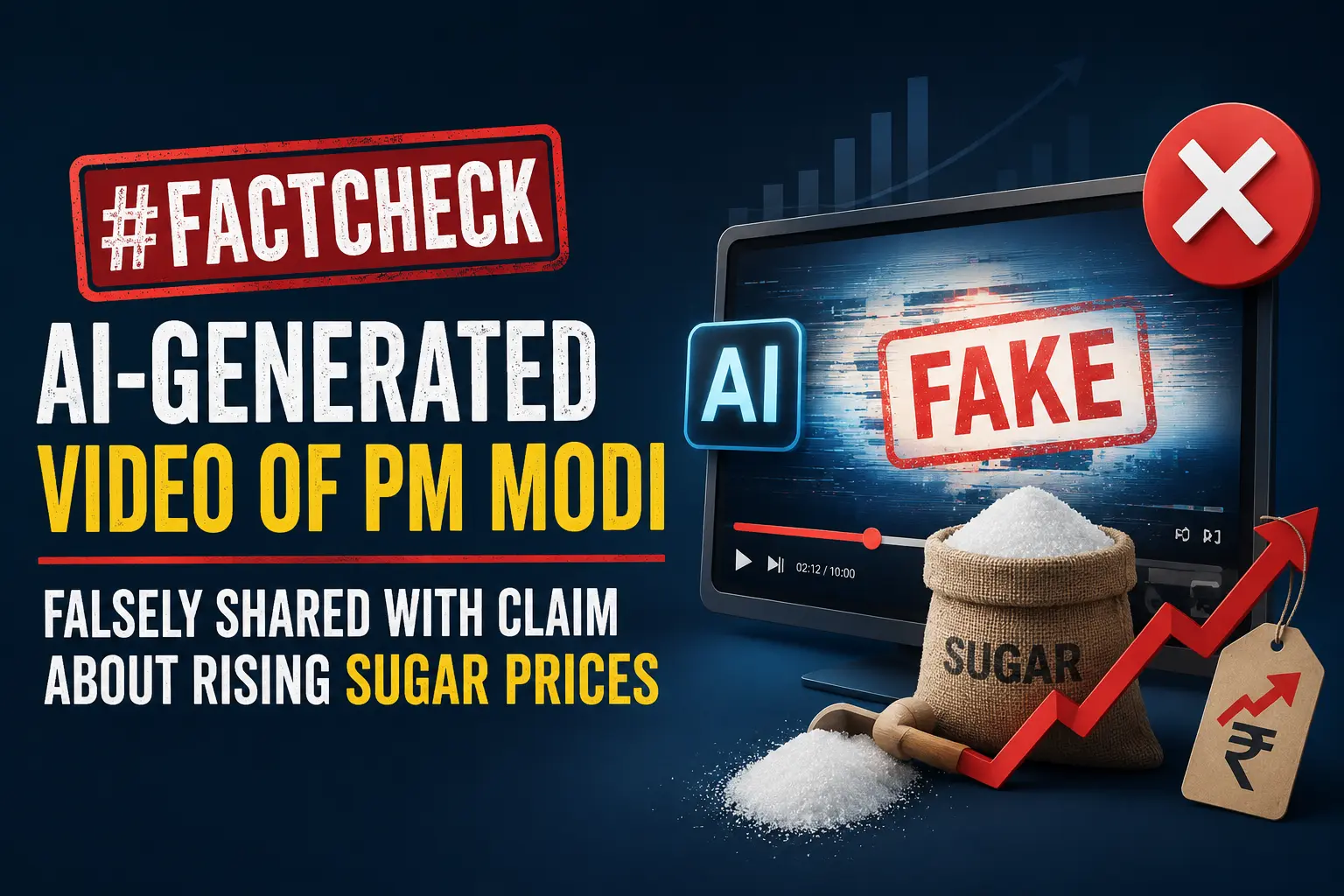
A video of Prime Minister Narendra Modi is being widely shared on social media with the claim that he warned about rising sugar prices, stating that if the supply crisis worsens, sugar prices could reach ₹130 per kg. In the viral clip, PM Modi can allegedly be heard speaking about the increase in sugar prices. However, a research done by the research wing of the CyberPeace revealed that the claim made with the viral video is false. The research found that the viral video is AI-generated and has been edited to spread misleading information on social media.
Claim:
On August 22, 2026, a video was shared on the social media platform Facebook with the caption: “Can sugar prices reach ₹120-₹130? Know what the government report says and the main reasons behind it. What is your opinion?”
https://www.facebook.com/reel/4384024895144864
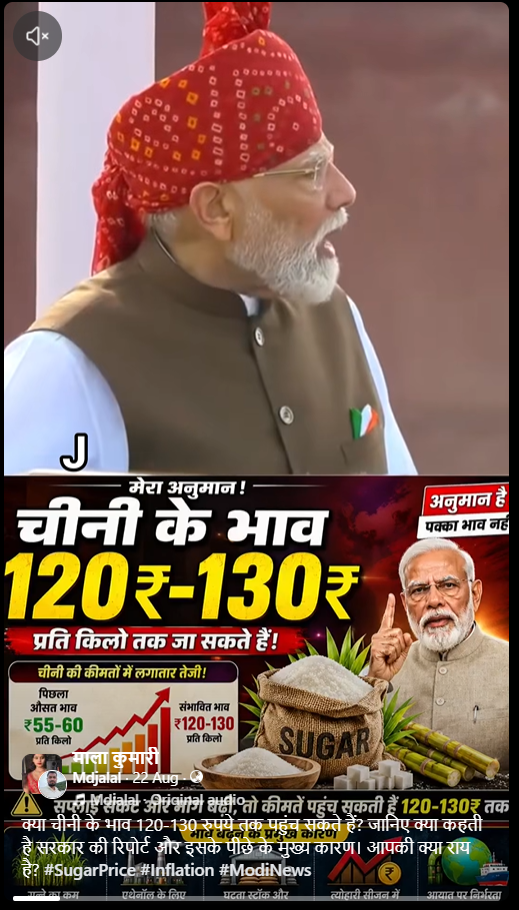
FactCheck
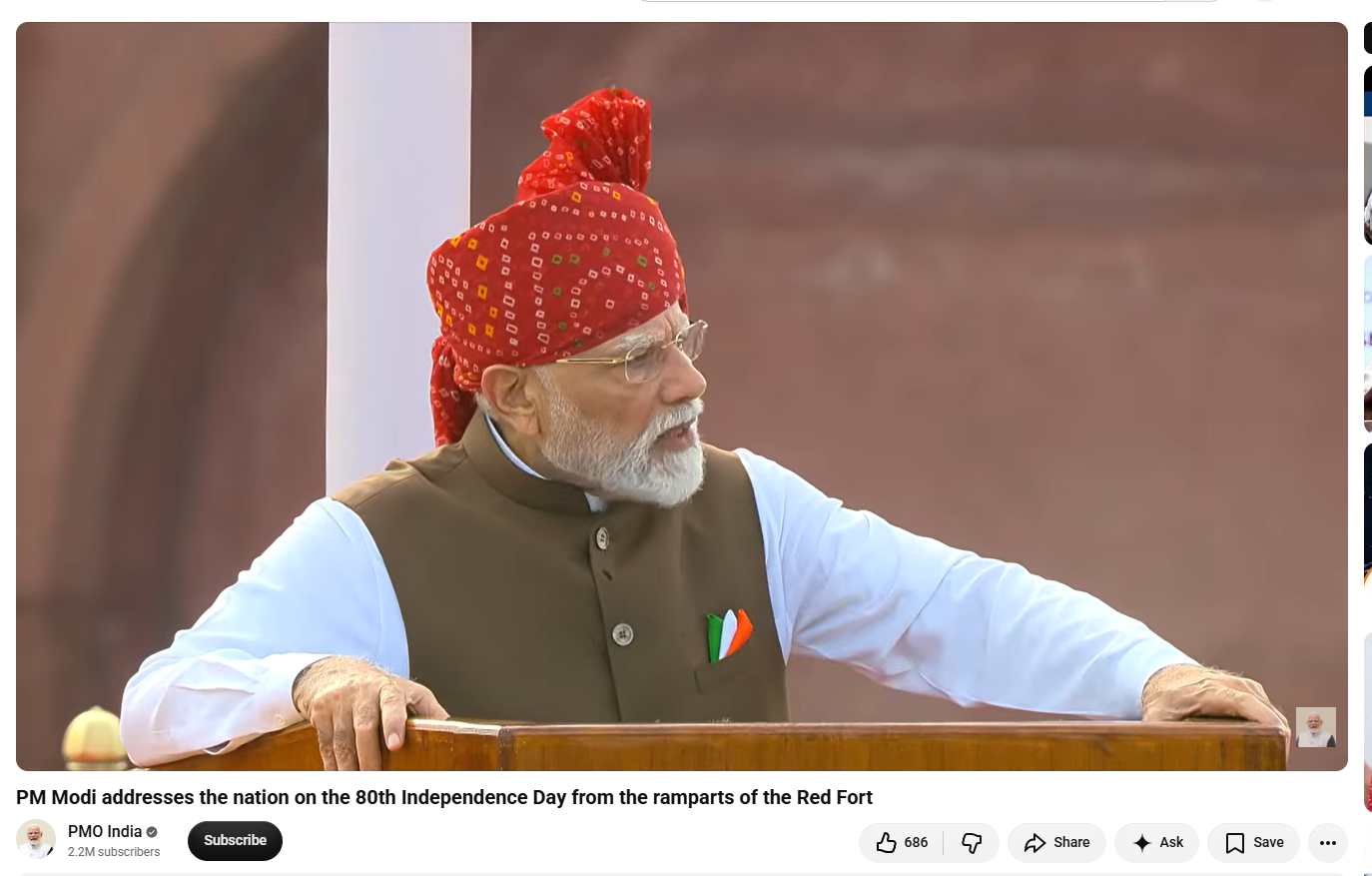
To verify the truth behind the viral claim, a keyword search was conducted on Google. No reliable news reports or official announcements were found confirming that PM Modi made any such statement regarding sugar prices. Keyframes extracted from the viral clip were subjected to a reverse image search using Google Lens. This led to the original video uploaded on the official YouTube channel of PMO India on August 15, 2026. In the nearly 1-hour and 39-minute long Independence Day address, PM Modi did not mention sugar prices anywhere during his speech.
https://www.youtube.com/watch?v=aDHjd3GUU7Y
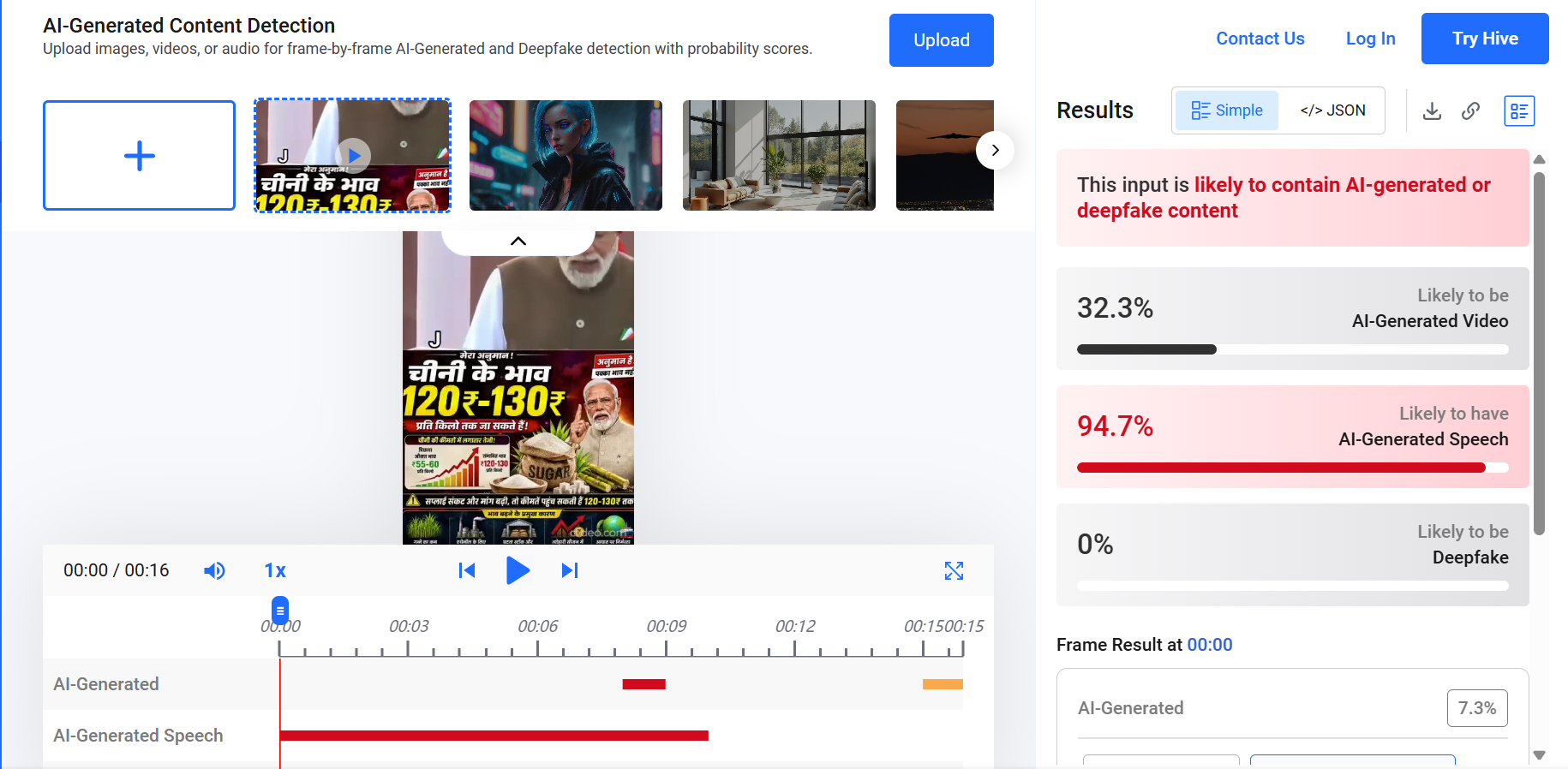
To further verify the authenticity of the video, it was scanned using the AI detection tool HIVE Moderation. The results indicated a 94% probability that PM Modi's speech in the video is AI-generated.
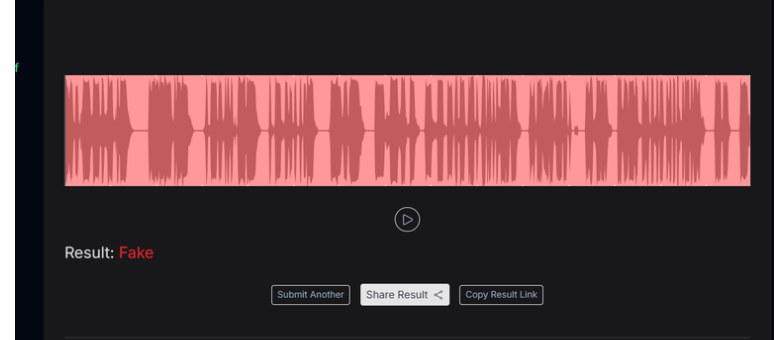
The audio of the viral video was analyzed using Resemble AI. The tool's analysis confirmed that the audio was AI-generated, indicating that the original voice track had been manipulated/cloned.
Conclusion:
Our research confirms that the claim associated with the viral video is false. The video has been created using AI tools and edited to mislead the public.
.webp)
Introduction
Recently in July 2026, India's Cyber Crime Coordination Centre (I4C) under the Ministry of Home Affairs quietly tried to do something almost no government has managed before: switch off an app that doesn't need the internet to work. On July 23, 2026, I4C sent takedown notices to Google, Apple and GitHub, ordering them to pull three offline messaging apps – like BitChat, Briar and Bridgefy – from the Play Store, App Store and GitHub's code repository, respectively, giving a three-hour deadline. The notices followed a period of student-led demonstrations at Jantar Mantar, New Delhi, associated with a group "Cockroach Janata Party," a period that also saw a mobile internet shutdown in parts of central Delhi. When Twitter co-founder Jack Dorsey, who built and open-sourced BitChat, publicised the GitHub notice on X, the episode made international news. Google and Apple got near-identical orders the same night, and telecom operators were reportedly told, and then just as quickly untold, to block the apps at the network level. By July 29, all three apps were still live on both app stores, and BitChat's code was still on GitHub. This incident is worth unpacking carefully, because it sits at the intersection of three things most people care about but rarely see explained together: how this technology actually works, what the law actually allows, and why an app can be "banned" on paper while still working perfectly on your phone.
What makes these apps different
Ordinary apps like WhatsApp or Telegram are centralised: your message travels from your phone to a company's server, and then to the recipient's phone. Block or seize the server, and communication stops. BitChat, Briar and Bridgefy are built differently. They use Bluetooth mesh networking, a system where nearby phones talk directly to each other, and each device also relays messages onwards to phones further away, like a bucket brigade. No message ever touches a central server. Briar adds a further layer by routing traffic over Tor, an anonymity network, when internet access is available, and falls back to Bluetooth or Wi-Fi Direct when it isn't. Bridgefy is tuned for larger crowds, useful during concerts, natural disasters, or protests where thousands of phones are packed into a small area and cellular networks buckle under the load. This design, often called decentralised or peer-to-peer communication, is precisely why these apps are useful during disasters and precisely why they worry law enforcement: they keep working when the internet doesn't, whether that's because a cyclone knocked out cell towers or because the government itself ordered a shutdown.
The legal machinery behind a takedown notice
India's power to block online content mainly comes from Section 69A of the Information Technology Act, 2000, which lets the central government order blocking on grounds like sovereignty, public order or preventing incitement to an offence but only through a defined process set out in the IT (Blocking) Rules, 2009: a designated officer, a review committee, and recorded written reasons. The Supreme Court examined this exact provision in its landmark 2015 ruling, Shreya Singhal v. Union of India. While the judgement is best remembered for striking down the vague "offensive speech" law under Section 66A, it separately upheld Section 69A specifically because it came with procedural guardrails, a reasoned order, an opportunity to be heard, and the possibility of judicial review that stopped it from becoming an unchecked censorship tool. The July 23 notices, however, reportedly leaned on a different lever: Section 79(3)(b) of the IT Act, read with Rule 3(1)(d) of the IT Intermediary Guidelines and Digital Media Ethics Code Rules, 2021. That provision governs when an intermediary loses its legal immunity ("safe harbour") for user content if it fails to act on a government or court order, a mechanism built for content takedowns, not necessarily for pulling an entire app off a store shelf within three hours. Legal commentators have flagged this as significant, since Shreya Singhal itself read down Section 79(3)(b) to require action only pursuant to a court order or a properly authorised government direction, not an informal notice. This isn't the first time a mesh-messaging app has run into this machinery. In 2023, following an I4C request, the government blocked Briar and thirteen other apps in Jammu and Kashmir under Section 69A, citing use, the first known instance of Section 69A being used for a regional block. Briar's developers challenged this in the Delhi High Court; in 2024, the court dismissed the challenge, holding that principles of natural justice can give way in matters of national security.
Why you can't easily switch off a mesh network
Here's the technical wrinkle that made the July order largely symbolic: removing an app from the Play Store stops new downloads, but it does nothing to phones that already have it installed, and it does nothing at all to the Bluetooth radios exchanging messages between those phones. Unlike an internet shutdown, which works by controlling the pipes that all traffic must pass through, a mesh network has no chokepoint, no server to seize, no IP address to blacklist, and no single company to compel.
GitHub, for its part, said it followed its standard process of notifying the account holder and offering an appeal before taking any action, which is one reason BitChat's source code stayed publicly accessible throughout. Within a day, officials reportedly told the companies orally that enforcement wasn't necessary after all, though no public clarification or official document has been released explaining why the notices were issued or withdrawn.
Two legitimate, competing interests
None of this means the government's underlying worry is baseless. Law enforcement agencies genuinely lose visibility when communication moves off networks they can lawfully intercept, and coordination of unlawful assembly or violence is a real concern during volatile protests.
The transparency gap
The single biggest problem with how this played out isn't the underlying concern it's the absence of a public, reasoned order. Under the blocking rules, disclosure is restricted, and courts, including the Supreme Court in Anuradha Bhasin v. Union of India, have said that when access is restricted, reasons must be recorded and, where possible, made available. A three-hour notice, issued and then informally withdrawn without explanation, sits uneasily with that standard. A more durable approach, one that CyberPeace and other digital-rights researchers have called for, would combine clearly identified statutory authority; published (even if redacted) reasoning; proportionality review; and investment in lawful digital forensics, rather than blanket app-store takedowns that decentralised technology is, by design, built to survive.
CyberPeace's policy recommendations
Alongside the legal analysis above, CyberPeace puts forward a ten-point framework for how India should approach decentralised communication technologies going forward, instead of defaulting to blanket takedowns:
- Strengthen transparency in blocking decisions
- Ensure statutory clarity
- Apply legality, necessity and proportionality
- Differentiate technology from misuse
- Invest in advanced investigative capabilities
- Establish a multi-stakeholder advisory mechanism
- Develop a framework for emerging decentralised technologies
- Promote responsible innovation
- Enhance public awareness
- Foster international cooperation
Conclusion
The referred incident illustrates that regulating decentralised technologies requires more than swift takedown notices. As communication networks become increasingly resilient and distributed, effective governance must combine legal certainty, technical realism, transparency, and proportionate enforcement. India's challenge is not simply to regulate emerging technologies but to develop a kind of regulatory framework that safeguards national security and the constitutional values of privacy, free expression, and due process.
Sources
- MediaNama — Bitchat was not the only mesh-messaging app targeted by a government takedown notice
- Outlook Business — Beyond GitHub, Govt Also Directed Google To Take Down Bitchat, Briar And Bridgefy
- The Wire — Government Asks GitHub to Remove Bluetooth Messaging App Bitchat Over Concerns of 'Misuse'
- The Tech Trace (Substack) — The Indian govt's crackdown on Bluetooth-enabled messaging apps that wasn't?
- Bar and Bench — Section 69A IT Act and the expanding architecture of digital censorship in India
- Supreme Court Observer — X relies on 'Shreya Singhal' in arbitrary content-blocking case in Karnataka HC
- LiveLaw — Internet Freedom, Shreya Singhal v Union of India, IT Act, Blocking Rules 2009
- Manupatra — Full text, Shreya Singhal v. Union of India (2015) 5 SCC 1
- Open Magazine — CJP Protests at Jantar Mantar: How Offline Mesh Messaging Apps Powered a Network of Resistance
